Last updated November 21, 2026
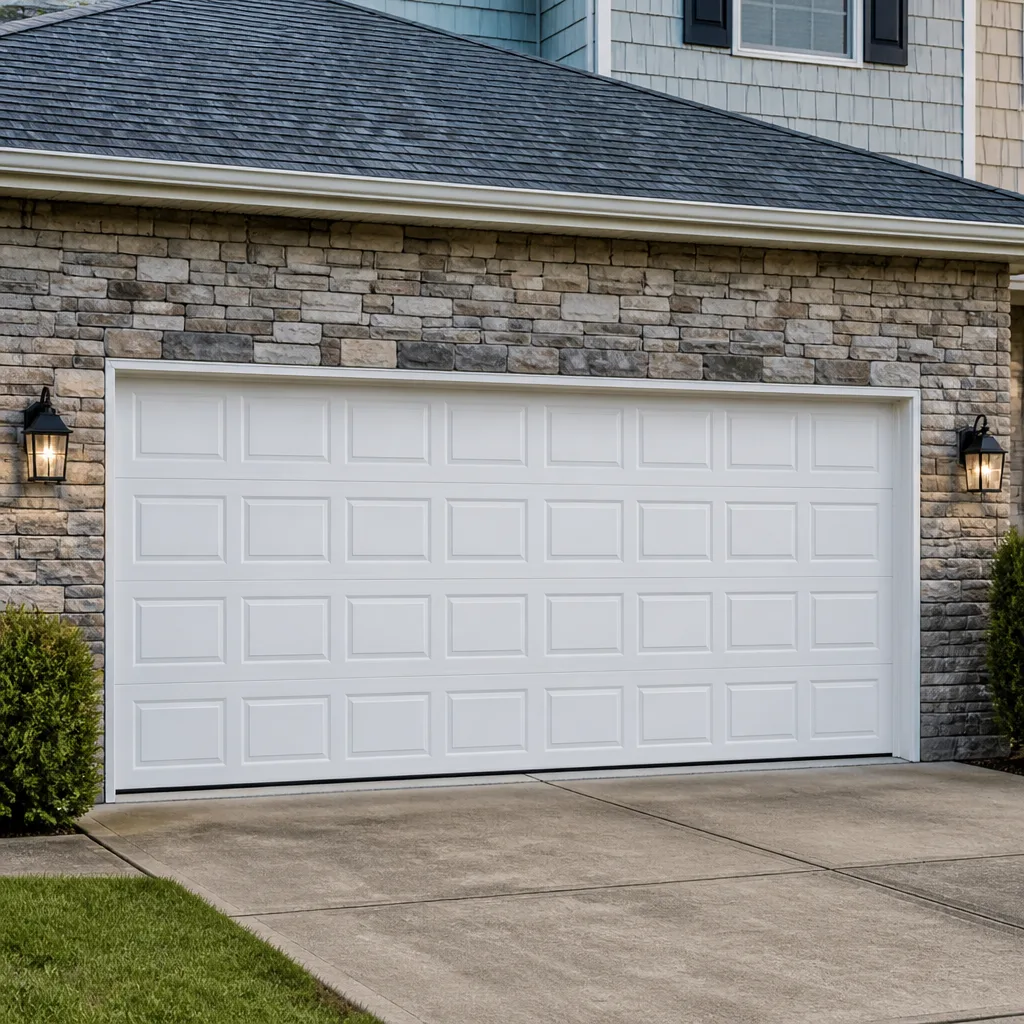 Raised-panel steel
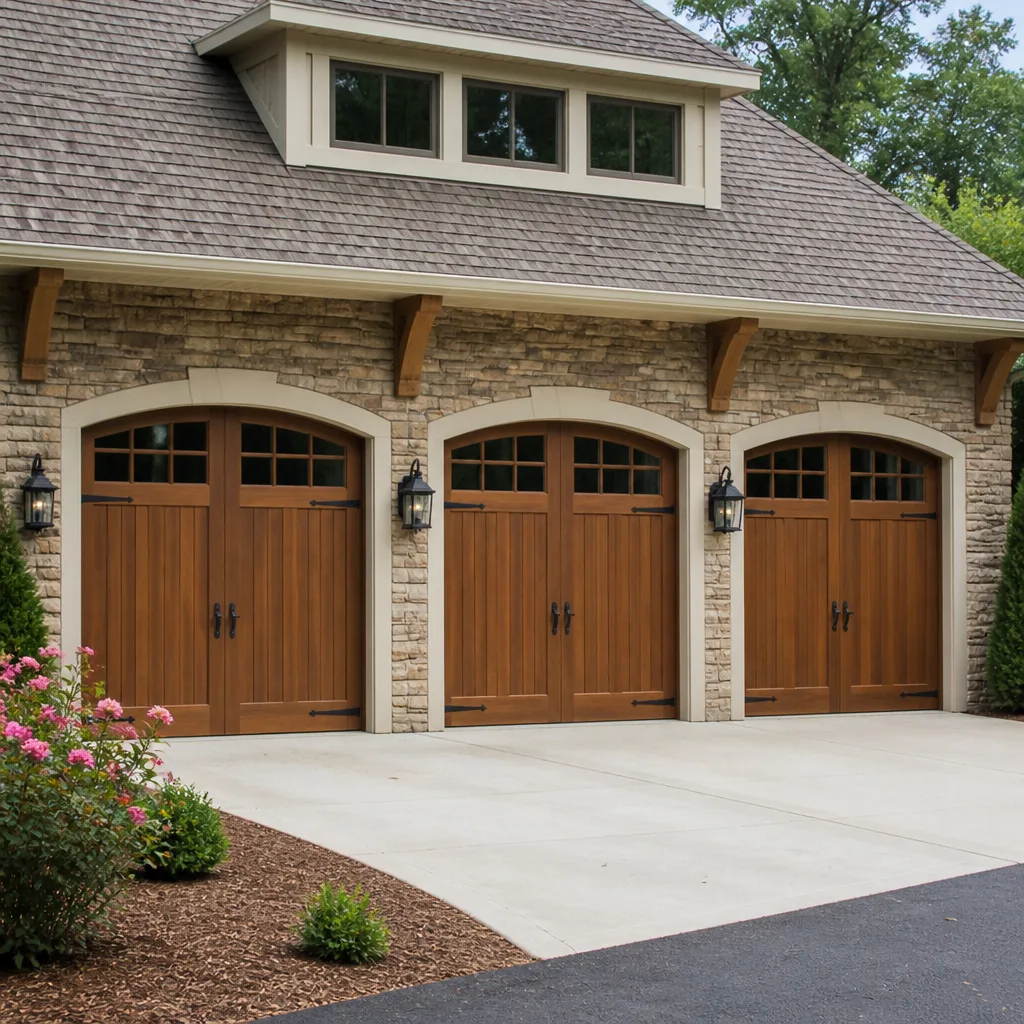 Carriage house
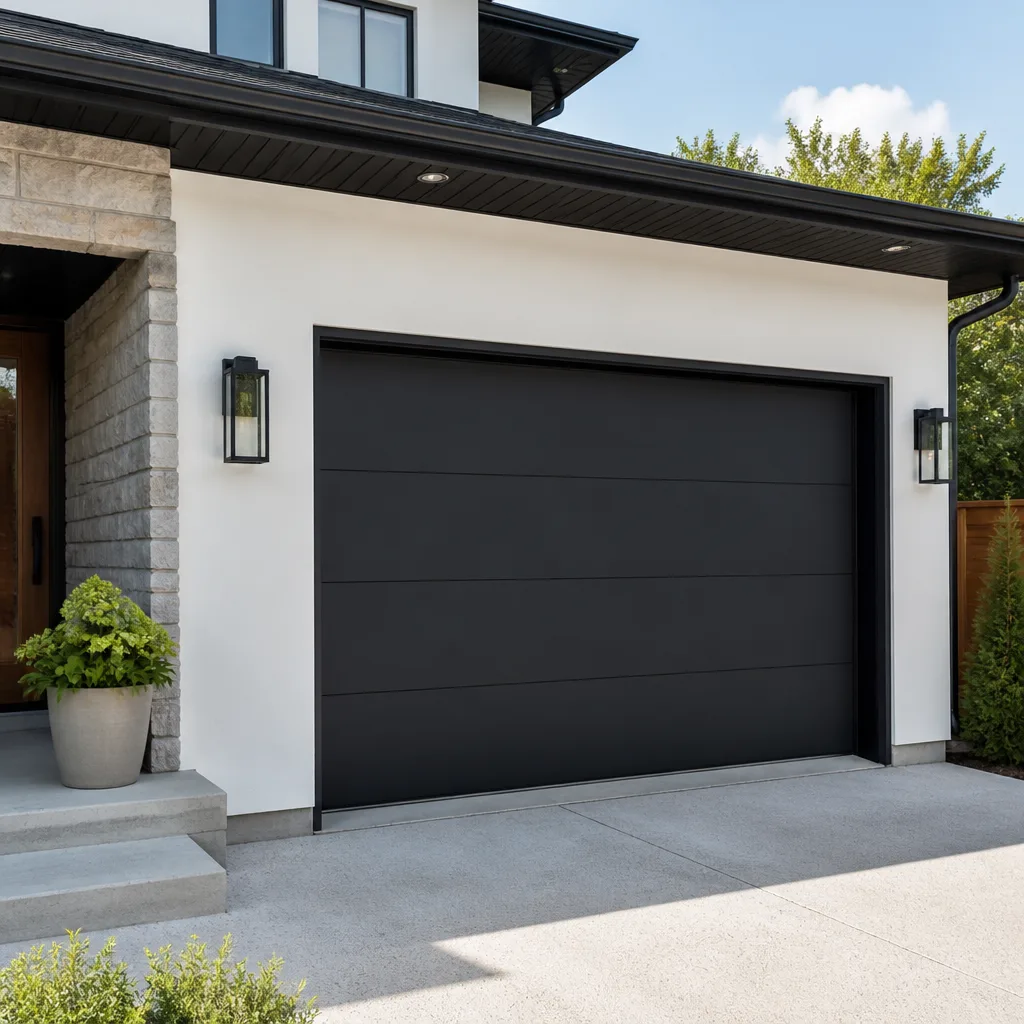 Modern flush
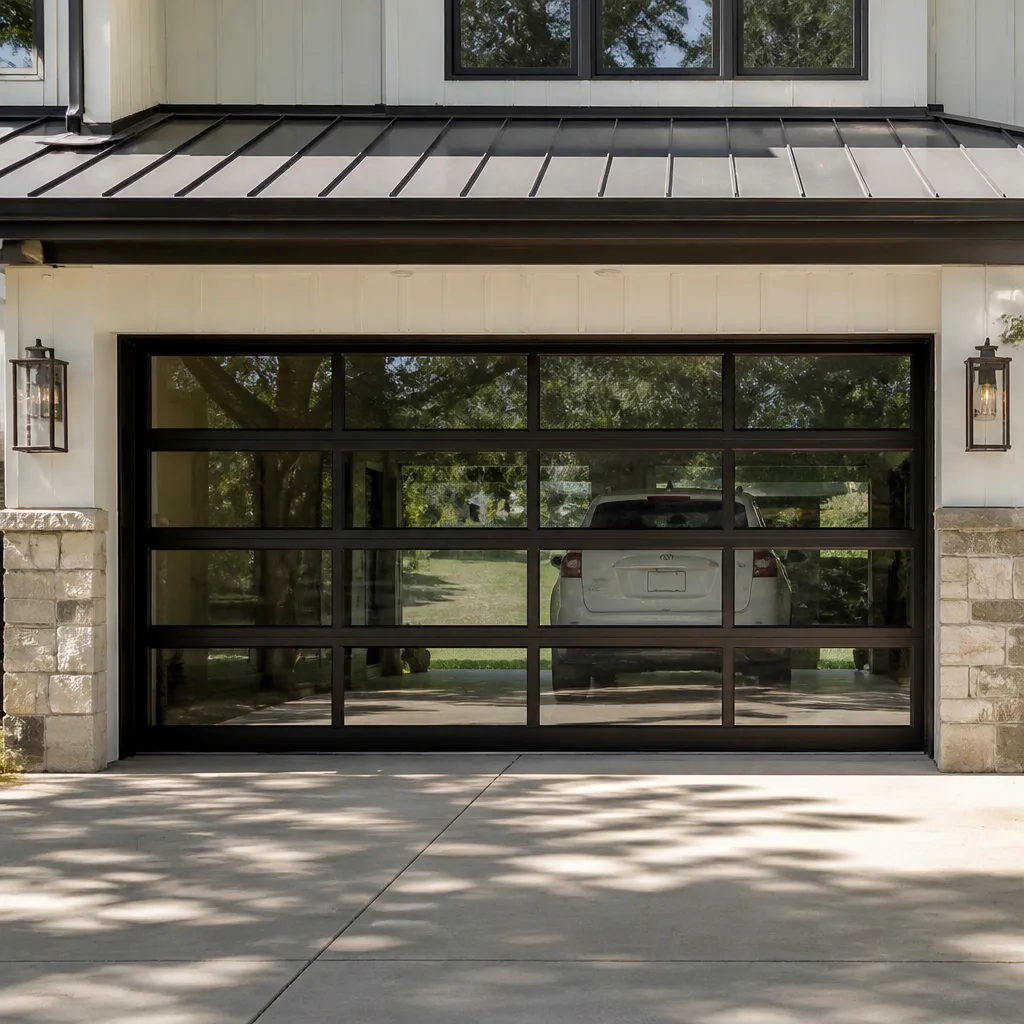 Full-view glass
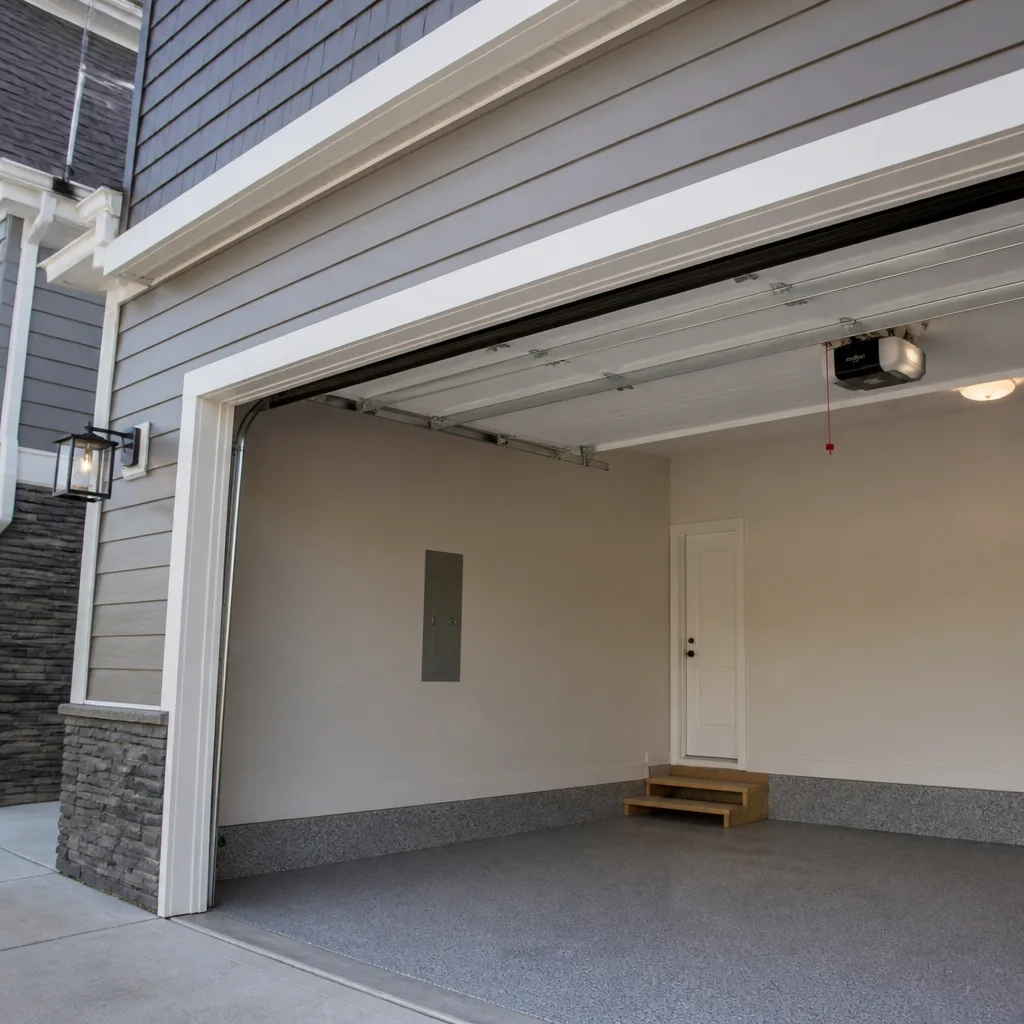 LiftMaster openers
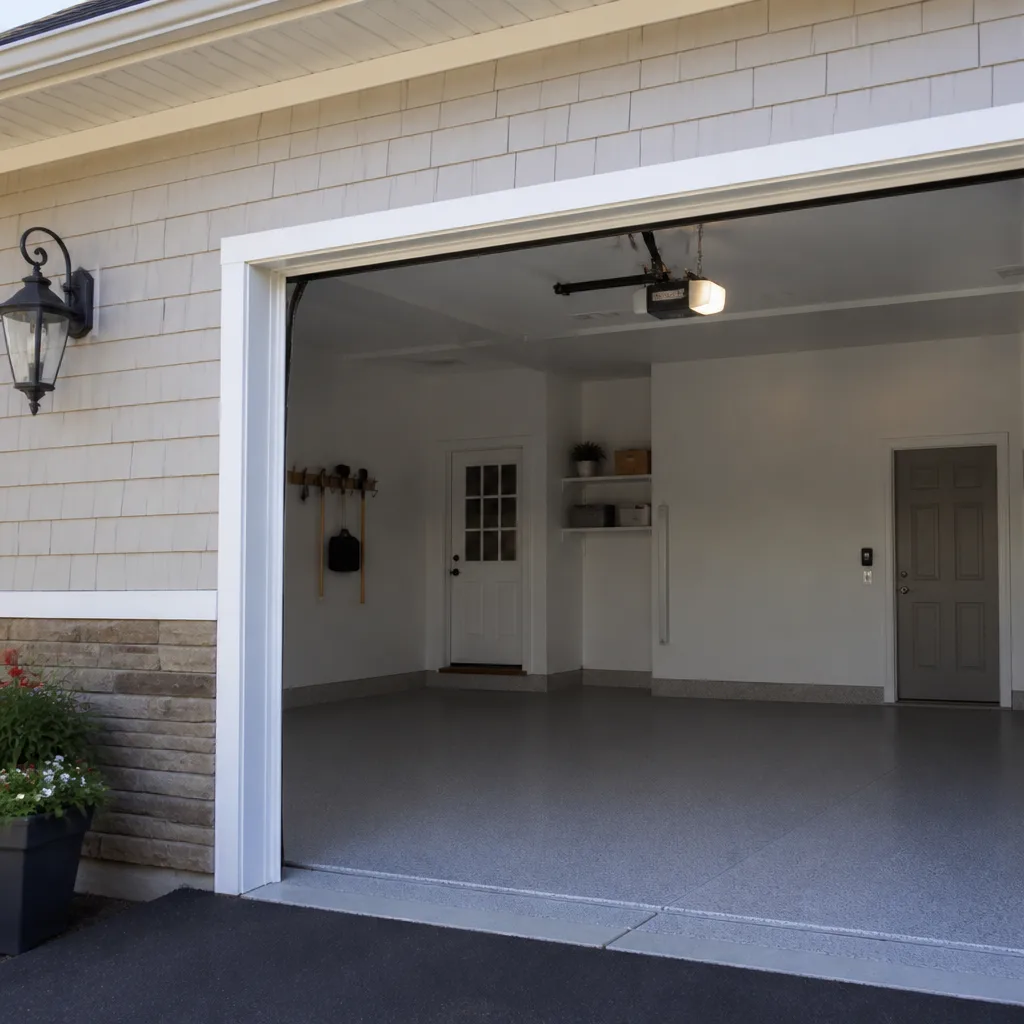 Chamberlain openers
Full 25-point door and opener safety check with every visit - springs, cables, rollers, tracks, and your LiftMaster or Chamberlain opener included
You get a price before we start. It does not change when the pro arrives.
Get your free estimateGarage Door Permits, Codes & Inspections in Corona, NY: What You Need to Know
Most homeowners assume a garage door is like a kitchen faucet: swap the part, done, no paperwork. That assumption gets expensive in New York City, where the work happens inside a building envelope the Department of Buildings treats as a structural and fire-safety element. The confusing part isn’t that permits exist. It’s that almost nobody can tell you which jobs touch a regulated assembly and which are simple maintenance, and contractors rarely slow down long enough to explain. This guide lays out the NYC DOB triggers in plain English, shows how attached garages in Queens are classified differently from detached ones, explains what “like-for-like” really means under the code, and gives you the steps to check your own property record before you hire anyone in Corona.
Quick Answer
In Corona, NY, replacing a garage door in the same opening with the same size door is generally treated as ordinary maintenance and usually does not require a DOB permit, but any change to the structural opening, the header, the track geometry, or a fire-rated wall or ceiling assembly attached to the garage does require a filed permit and inspection. Because most Corona garages are attached to the house in a shared building, the fire-separation rules apply, and that’s where the paperwork question gets serious. Confirming this with the NYC Department of Buildings for your specific address is always the right first move.
Styles & brands we work with
- Raised-panel steel
- Carriage house
- Modern flush
- Full-view glass
- LiftMaster openers
- Chamberlain openers
Table of Contents
- What Garage Door Work Triggers a Permit in NYC
- Attached vs. Detached: How Queens Garages Are Classified
- What “Like-for-Like” Replacement Really Means Under NYC Code
- How to Check for Open Violations Before You Hire
- What the Inspection Actually Looks At
- What to Keep After a Compliant Installation
- How to Pick a Contractor for Permit Work in Corona
What Garage Door Work Triggers a Permit in NYC
Permit requirements follow the work, not the product. Adding a new door to an opening that never had one is new construction. Enlarging or raising a header to fit a taller door changes the structural frame. Cutting a new opening in a masonry wall is a structural alteration. All three require a DOB filing, and in a building with a fire-rated separation, the assembly detail has to be documented as part of the filing.
The following work is the shortlist of what reliably brings the Department of Buildings into the picture:
- New openings cut into an existing wall. Any removal of structural masonry or framing to create a garage door opening.
- Enlarging or modifying a header or lintel. Increasing door height or width almost always changes the load path above the opening.
- Replacing a fire-rated wall or ceiling assembly between an attached garage and the living space, including the door and its frame.
- Changing the door type or operating system in a way that alters the fire-separation performance of the assembly, such as swapping a rated door for a non-rated one.
- Adding a garage door to a structure that previously had none, or converting a carport into an enclosed garage.
What usually does not require a filing: replacing a broken spring, repairing an opener, replacing rollers or hinges on the existing track, or swapping a door of the same size and material into the same opening when the surrounding assembly stays put. We get asked this constantly in Corona, and the honest answer for most homeowners is that their spring or opener call is maintenance, while their door swap question depends on what the assembly looks like behind the trim.
Attached vs. Detached: How Queens Garages Are Classified
This is the distinction most guides skip, and it’s the one that matters most in a borough where lots are tight. A detached garage is a standalone structure with its own foundation, its own roof, and its own separation from the house by open air. An attached garage shares at least one wall, and often a ceiling or floor, with the dwelling. Under NYC building code, that shared assembly is part of the fire separation that protects the occupied house from a fire starting in the garage.
In Corona specifically, the housing stock makes this a live issue. Blocks of semi-attached and fully attached homes along the Roosevelt Avenue corridor and up toward Northern Boulevard often have a garage tucked under or beside the living space, sharing masonry walls with the neighboring house. That means three things:
- The garage wall may be a party or fire-separation wall. Any change to the door, frame, or the wall around it has to preserve the rated separation.
- The door itself may need to be a rated assembly if it’s the boundary between the garage and the interior of the home. Not every door on the market is rated for that location.
- Your neighbor’s assembly matters. In a semi-attached setup, structural work on your side of a shared wall can require coordination the code takes seriously.
A detached garage has a shorter list of concerns, mostly structural and zoning-related, without the interior separation detail. Neither case is something to guess at. If you’re unsure how your Corona property is classified, your address record with the Department of Buildings will show it, and so will the certificate of occupancy.
What “Like-for-Like” Replacement Really Means Under NYC Code
Homeowners hear “like-for-like” and picture the same color and the same size. The code cares about assembly performance, not cosmetics. A true like-for-like replacement means the new door matches the existing opening’s dimensions, the existing headroom and track configuration, and, where a fire separation applies, the rating and construction of the door and frame being removed.
Where contractors get this wrong is at the edges. Here’s what we mean, and it’s the kind of thing that shows up years later:
- Same footprint, different headroom needs. A high-lift opener or a low-headroom door can require moving the torsion bar or track, which is a structural change to the track system even if the opening looks untouched.
- Rated door swapped for a non-rated one. A heavier insulated panel or an Amarr or Clopay model with a different fire rating changes the assembly. The door still works. The separation no longer matches what the building department expects.
- Framing altered to fit a thicker panel. Insulated doors are deeper than some older hollow panels, and a contractor who trims the jamb to make it fit has modified the opening.
- Track moved outboard or repositioned. Sometimes necessary on older Corona garages with uneven floors or tired framing, but it is not like-for-like in the code’s sense.
The safest way to think about it: if the new door drops into the exact same opening with the exact same track geometry, the same dimension, and the same rating as the one being removed, you’re in maintenance territory. If any of those change, treat it as an alteration and talk to the Department of Buildings before you buy the door. Our own garage door installation process starts with measuring the existing opening and documenting the assembly for exactly this reason.
How to Check for Open Violations Before You Hire
You can pull your own property’s record without paying an expediter. Before you sign a contract for any structural garage work in Corona, spend fifteen minutes on the city’s online tools and you’ll know more about your house than most contractors will.
- Find your property in the DOB NOW public portal. Search by address and you’ll see filed permits, certificates of occupancy, and any open or resolved violations on record for the building.
- Check the certificate of occupancy. It tells you how the garage is legally classified: attached, detached, private, or commercial. Any mismatch between the C of O and what’s actually standing on the lot is worth a conversation with the DOB before you build on top of it.
- Read any open violations carefully. Not every violation is yours to fix, and some are decades old. But an open structural or fire-separation violation tied to the garage is a red flag for a new door project.
- Cross-check with the Department of Finance property record. Lot dimensions and building descriptions sometimes disagree between databases, and the discrepancy matters when you’re proposing structural work.
- Save screenshots and PDFs of everything you find. You’ll want the record in hand if a contractor tells you “no permit is needed” and you’re not sure you believe them.
This step belongs before the first estimate, not after. A contractor who hesitates when you mention an open violation is one who didn’t check.
What the Inspection Actually Looks At
If your job did require a filing, the inspection is not a cosmetic review. The inspector is checking the assembly that was documented in the application, and the door has to match what was filed. The core items on the list:
- Opening dimensions and header condition. Confirming the finished opening matches the approved plans and that any structural work was done as drawn.
- Fire separation at attached assemblies. The wall, ceiling, frame, and door together need to hold up to the rated separation on record. Gaps and through-penetrations are the usual finding.
- Door and track installation. Hardware properly anchored, torsion assembly secured, and no shortcuts at the wall brackets.
- Safety features. The auto-reverse function and photo-eye system have to work. Openers from Genie, Chamberlain, LiftMaster, and others all expose these functions the same way; the inspection is checking function, not brand.
- Clearances and egress. The door has to clear the driveway and the interior opening without obstruction, and any associated pedestrian door needs to function.
When an inspection fails on an attached garage in Corona, it’s almost always the fire separation detail or a dimensional mismatch between the filed plan and what was installed. Both are fixable, but only by whoever did the work. That’s one reason single-company accountability matters: if the assembly doesn’t match the plan, you don’t want to be the person chasing two contractors about why.
One safety note that isn’t a code item but belongs in any honest conversation about garage doors: the torsion spring above the door is under hundreds of pounds of tension, and the cables and brackets attached to it are genuine injury risks. There’s no permit for spring work and no inspection of it, but there is a very good reason to leave it to a trained technician. If you hear a loud bang from the garage and the door won’t lift, that’s garage door repair that shouldn’t wait, and it shouldn’t be a weekend project.
What to Keep After a Compliant Installation
Paperwork is the part everyone forgets until it matters. A compliant garage door installation in Corona leaves a paper trail, and that trail has a specific job: it answers questions at sale and during an insurance claim without you having to reconstruct anything from memory.
The file you want to keep together, in a folder and backed up digitally, looks like this:
- The filed permit and the signed-off inspection record. If a permit was pulled, keep the permit number, the approved plans, and the final inspection sign-off. This is what a title search will surface, and it’s what your attorney will want at closing.
- The contract with a detailed scope. Model numbers, door size, material, and whether the assembly is rated. Vague contracts are worthless at resale.
- The door’s installation manual and rating documentation. If the door is a rated assembly, keep the manufacturer’s documentation showing the rating. This is the thing that proves the separation wasn’t compromised.
- Any opener documentation. The opener’s model and install record matter if the door’s safety functions are ever questioned.
- Photographs of the finished assembly. The opening, the header, the track, and the intersection of the door with the surrounding wall. Dated photos of a correct install are quiet, powerful evidence.
What happens without these is straightforward: a sale stalls, an attorney asks for proof, and the homeowner is left calling around for records that were never provided. Keep the file. It costs nothing to keep and an enormous amount to reconstruct.
How to Pick a Contractor for Permit Work in Corona
Not every garage door company wants to touch a filing. Maintenance is quick and clean; permit work involves coordination with the building department, plan review, and an inspection that has to pass. That’s exactly why the questions you ask matter more than the price on the estimate.
- Ask directly: “Does this job need a filing, and are you pulling it?” A contractor who can’t answer clearly is guessing, and their guess is not the one that will be on record at your closing.
- Ask for the scope in writing, with model numbers. The written quote is what the job is, and it should name the door, the opener, and whether any rated assembly is being replaced with a matching one.
- Confirm the local professional is licensed and insured as their state requires. On permit work you’re not just buying labor; you’re buying a named party who can be reached if an inspection flags something.
- Ask whether they’ve worked on your door and opener brand before. Our technicians are factory-familiar with eight major brands, including Clopay, LiftMaster, Genie, Chamberlain, Wayne Dalton, Amarr, Craftsman, and Raynor. Familiarity with the hardware isn’t a marketing line in a permit context. It’s the difference between a first-time install and one that matches the filed plan.
- Ask what happens if the inspection fails. The answer should be “we fix it.” If it’s anything else, walk.
For homeowners in Corona comparing estimates, the clearest signal of a serious contractor is one who asks about the certificate of occupancy before they quote. It’s the question that separates a company that understands NYC code from one that’s going to hand you a door and a hope.
Common Mistakes to Avoid
- Assuming “no permit” is always the safe answer. On a simple spring or opener repair it is. On any change to the opening, header, or fire separation, assuming no permit is how violations get opened at sale time. Confirm with the DOB for your address.
- Confusing a like-size door with like-for-like replacement. Same dimensions but a different rating or track geometry is an alteration, not maintenance, and it needs to be treated that way in the filing and the documentation.
- Not checking the certificate of occupancy first. In Corona’s dense attached and semi-attached housing, the C of O is where the legal classification of the garage lives. Building on top of a mismatch is a long-term problem.
- Accepting a vague contract. “New garage door installed” is not a scope. If the model, size, material, and rating aren’t written down, you have nothing to show at resale or to an insurer.
- Letting a contractor modify framing to fit a panel. Trimming a jamb or moving an outboard track to squeeze in an insulated door changes the assembly. It should be identified and filed for, not discovered later.
- Skipping the post-job file. One folder with the permit sign-off, contract, ratings, and photos is what protects you years later. It’s the cheapest insurance in the entire project.
- Treating the spring as DIY-able because it wasn’t inspected. No permit requirement makes spring replacement safe to self-handle. The torsion spring and cables are under extreme tension and are the most dangerous component in the whole system.
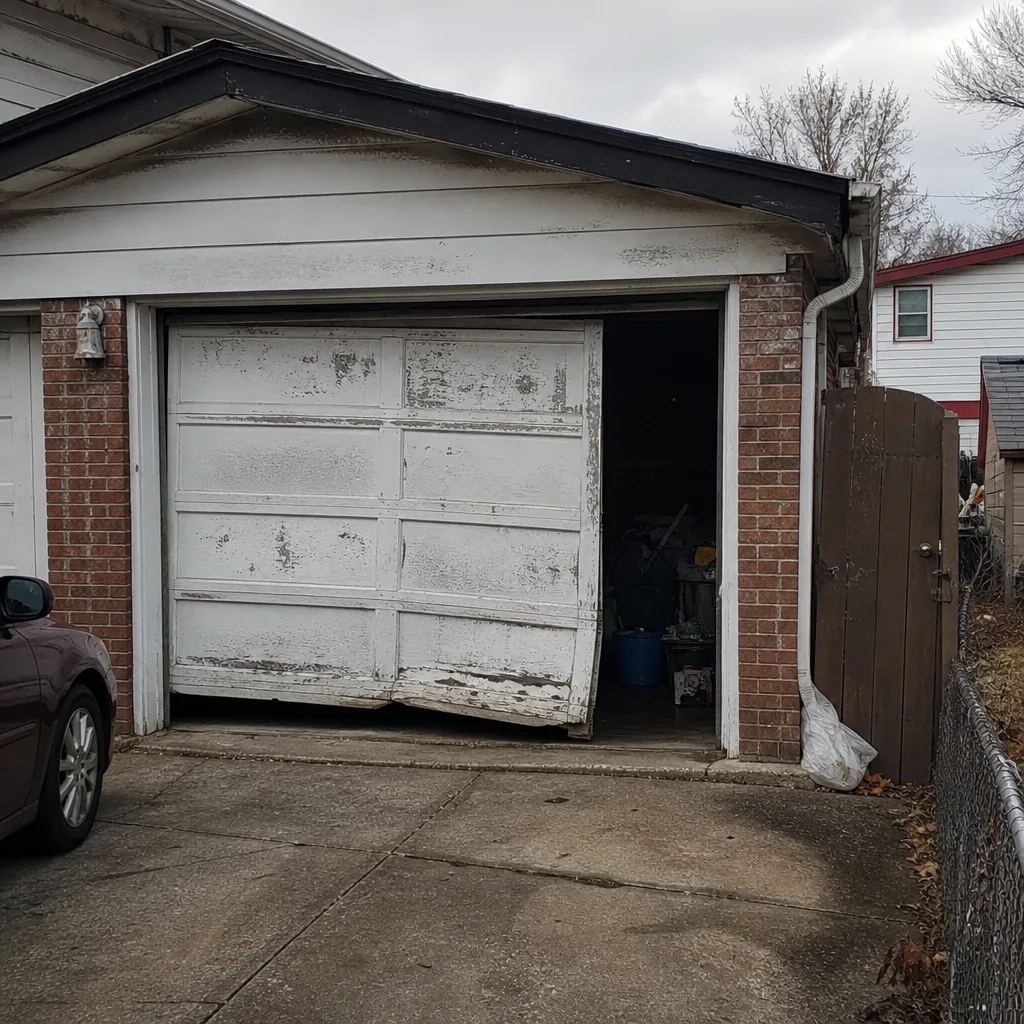
See the difference
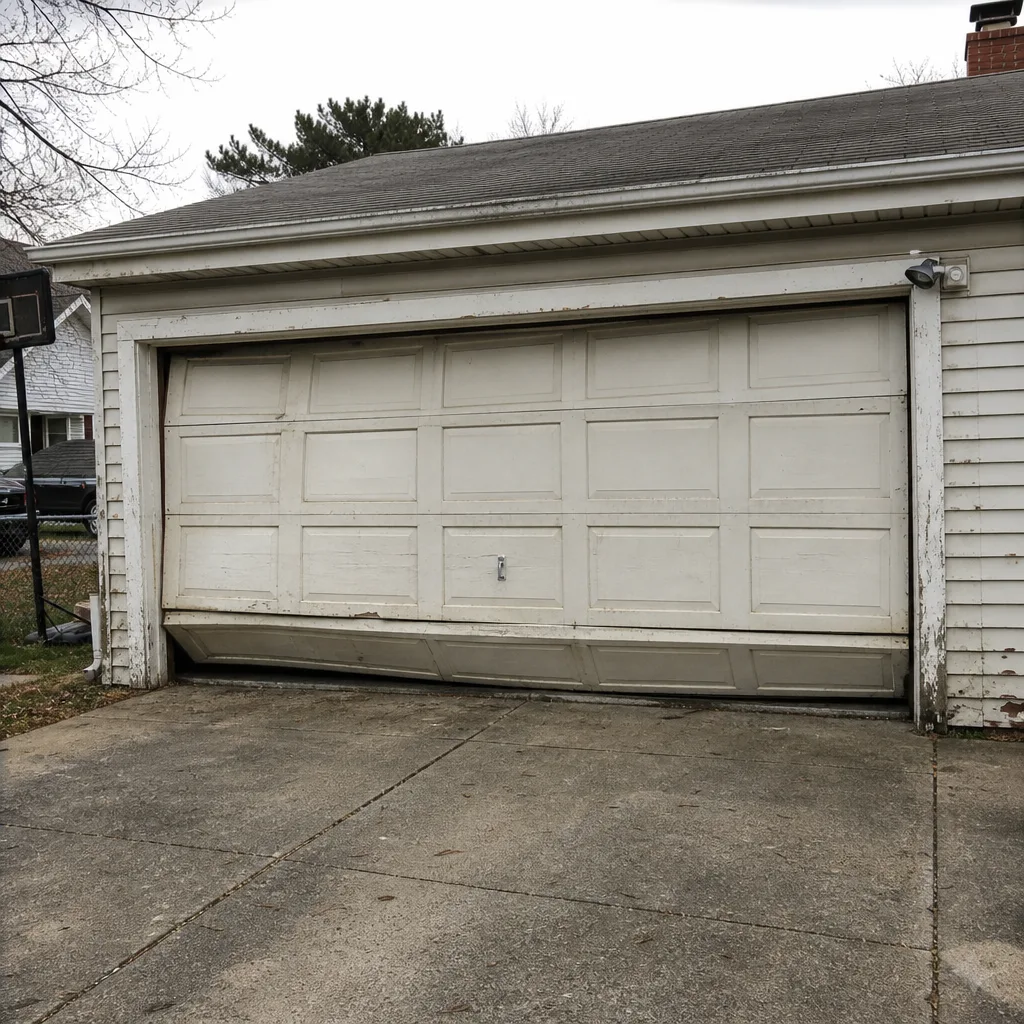 Before
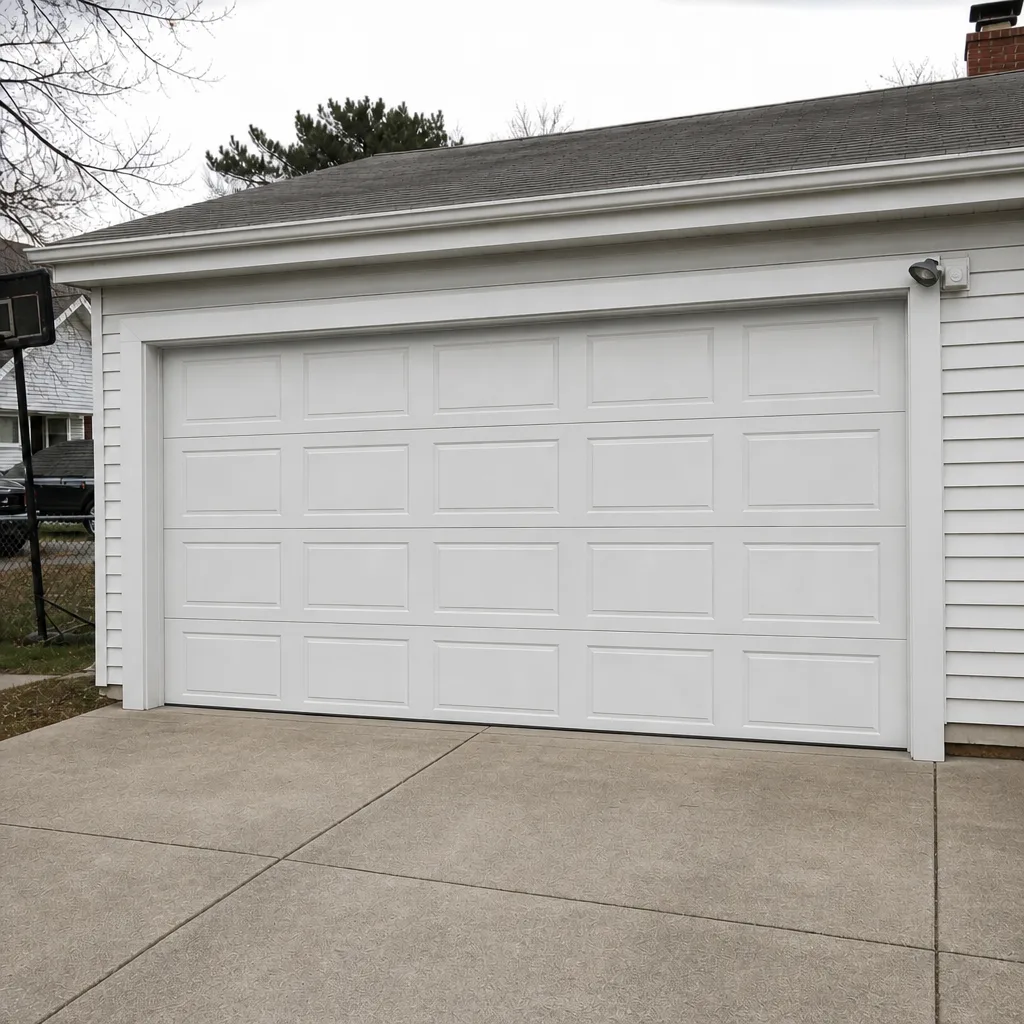 After
 Before
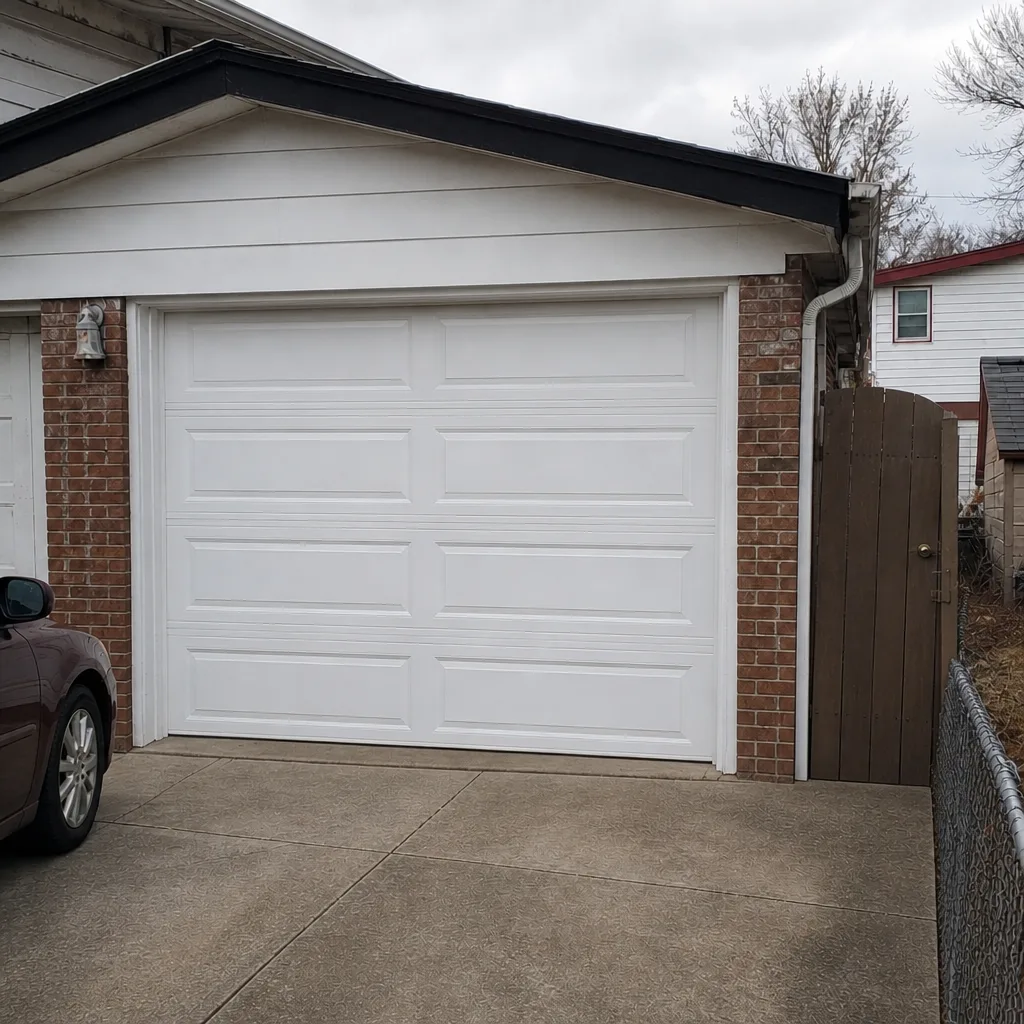 After
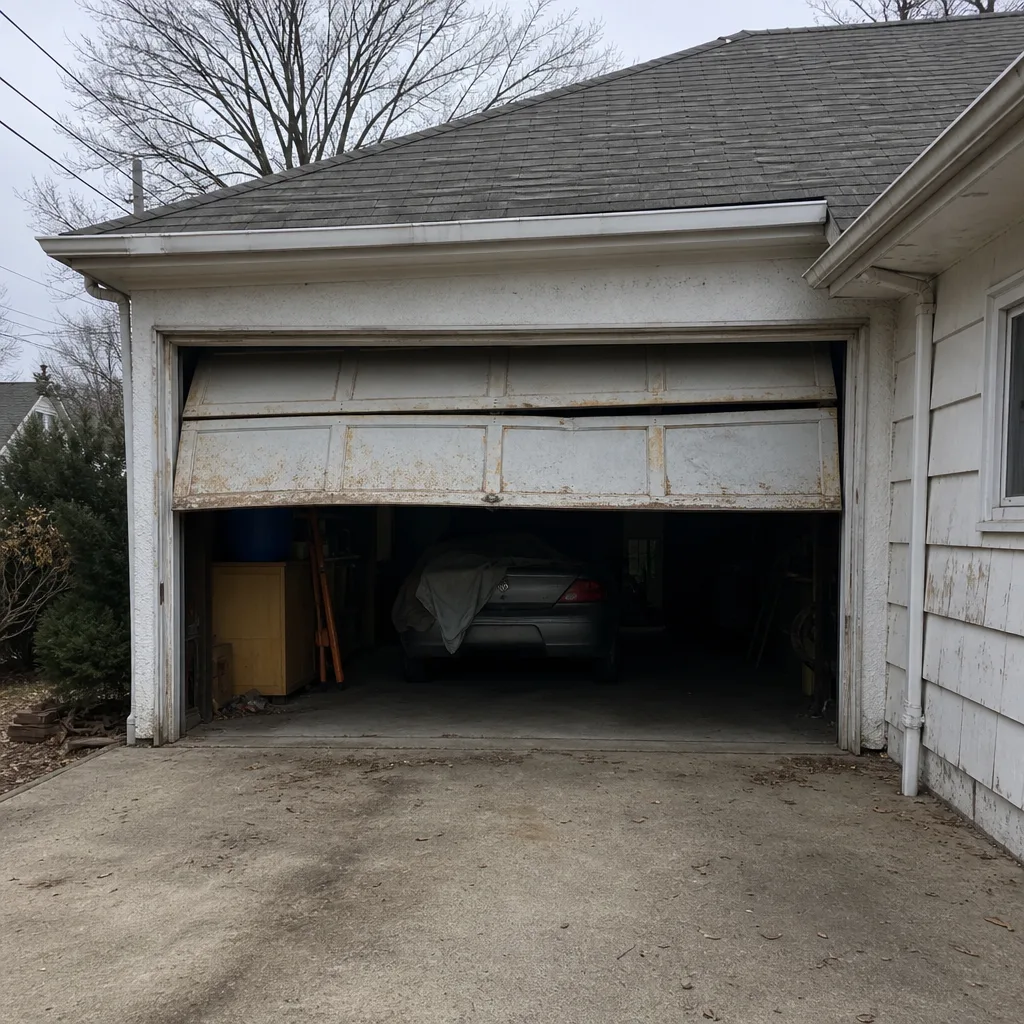 Before
 After
When to Call a Professional
Call a garage door specialist in Corona when the door won’t lift or close, when you hear a bang and the door goes slack, when the opener stops responding and the manual release doesn’t restore normal operation, or when the door lifts unevenly and you can see the cables are loose. Call when you’re planning a replacement, too, especially on an attached garage where the assembly rating matters. And call when a contractor told you “no permit needed” but you’re not sure whether the header or track is being changed. Corona Garage Door Repair Pros works on the brand already in your garage, from opener to panel, and we treat a permit question as a measurement problem, not a sales opportunity. Call (855) 658-4170 for a free estimate in Corona; the price is quoted and agreed before any work starts. If a door fails and you need a same-day solution, we offer emergency service and free estimates, with the written estimate setting the final price.
Frequently Asked Questions
It depends on whether you’re changing the opening or the fire-separated assembly. A same-size door into the same opening with the same track and rating is usually ordinary maintenance with no filing required, while a new opening, a larger or taller door, a header change, or any change to a fire-rated assembly at an attached garage does require a permit and inspection from the NYC Department of Buildings. Confirm with the DOB for your specific address before you buy the door. Call (855) 658-4170 if you want a garage door specialist to look at the opening and tell you which category your job falls into; estimates are free.
A garage is attached under NYC code when it shares a wall, floor, or ceiling with the dwelling, so the shared assembly becomes part of the fire separation that protects the occupied house. In Corona’s dense semi-attached and attached housing, that separation is often shared with a neighboring property, which makes any structural change to the garage wall or door a coordinated matter rather than a simple swap. Pull your certificate of occupancy to see how your garage is legally classified, and ask a contractor to document the assembly before quoting. Call (855) 658-4170 for a free estimate that includes looking at the assembly.
A serious one will, and they’ll say it before you sign. If a contractor tells you confidently that no permit is needed without looking at the header and the track geometry, they haven’t checked. The question to ask is direct: “Does this job require a filing, and are you pulling it?” If the answer is vague, get a second opinion. Our team at Corona Garage Door Repair Pros starts every installation estimate by measuring the existing opening and checking the surrounding assembly, because that’s what determines the permit answer. Call (855) 658-4170 for a free estimate.
There’s no single number; garage door installation is priced per job after the opening, door size, material, and whether any structural work is involved are measured, and the final price is whatever the written estimate says. Spring repair is the most common repair call and is quoted separately per spring, with a matched pair typically replaced together because they wear as a set. The estimate is provided free, agreed in writing before any work starts, and that written quote is the price. Call (855) 658-4170 for an exact quote.
No. Spring and opener work is maintenance under NYC rules and does not require a DOB filing or inspection, and it’s a same-day repair in most cases. That said, no permit requirement is not the same as a DIY recommendation. The torsion spring and cables are the highest-stakes component on the door and are under extreme tension. Our technicians have up to 10 years of experience handling spring replacement, and a failed spring is a call we take seriously. Call (855) 658-4170 for a free estimate; we can often get your door back on track the same day.
An open violation on the property record is a title and insurance issue, not just a paperwork issue. It surfaces at sale, can affect coverage, and needs to be resolved before you build anything new on top of the assembly. The first step is checking the DOB NOW public portal for your address to see the violation’s status and what it was issued for. Then talk to the Department of Buildings about what’s needed to close it. A garage door company can correct the door and assembly work, but the violation itself is a city matter. Call (855) 658-4170 if you want an estimate for the physical work involved; estimates are free.
The Bottom Line
The permit question in Corona comes down to whether you’re maintaining the door or altering the assembly. Springs and openers are maintenance. Any change to the opening, the header, the track geometry, or the fire separation at an attached garage is an alteration and needs a filing, and the DOB is the authority you confirm with for your address. Check your certificate of occupancy and violation record before you hire, insist on a written scope with model numbers and ratings, and keep the entire paper file after the job. That file is what protects you at resale and in a claim. The garage door itself is repairable; the missing paperwork at closing is the expensive part. Our team at Corona Garage Door Repair Pros is here to look at what you’ve got and tell you honestly whether the work in front of you is a permit job or a repair. Call (855) 658-4170 for a free estimate.
Written by the team at Corona Garage Door Repair Pros.