Last updated November 21, 2026
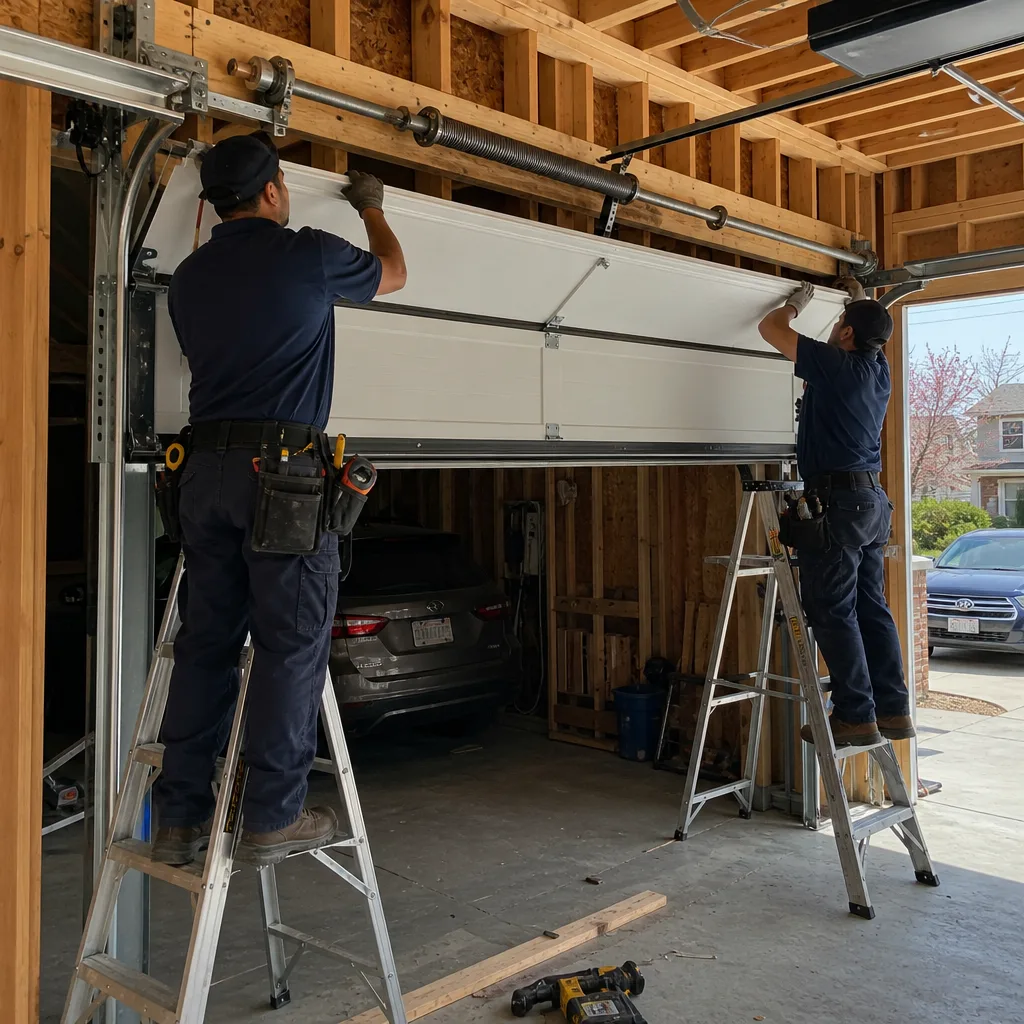
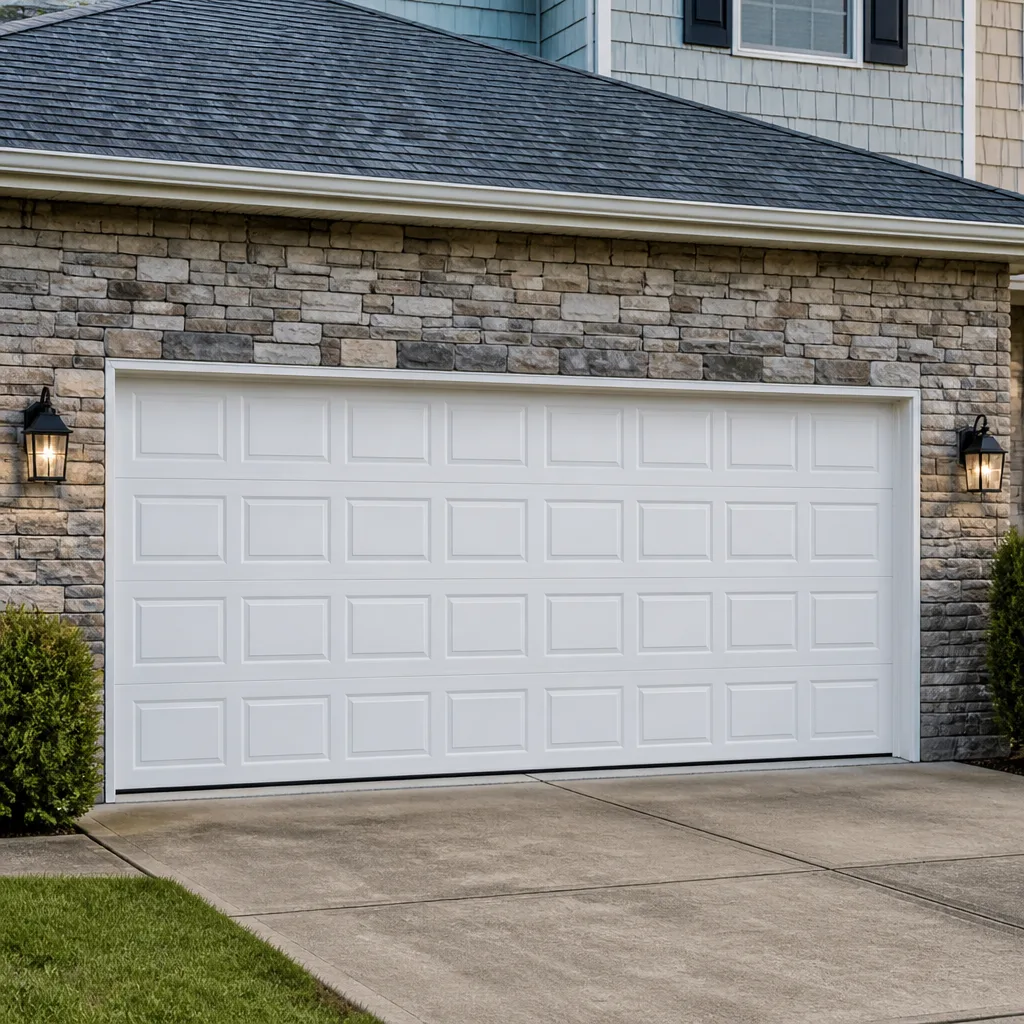 Raised-panel steel
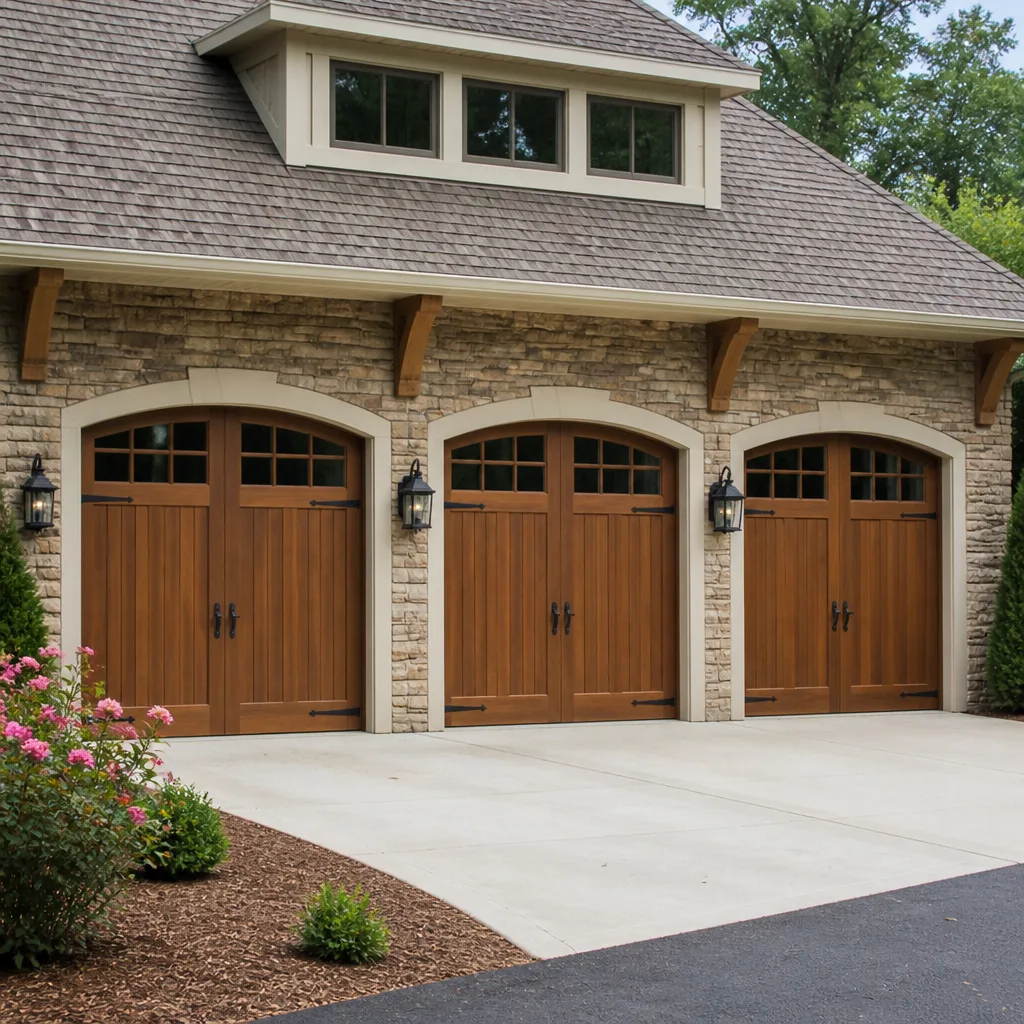 Carriage house
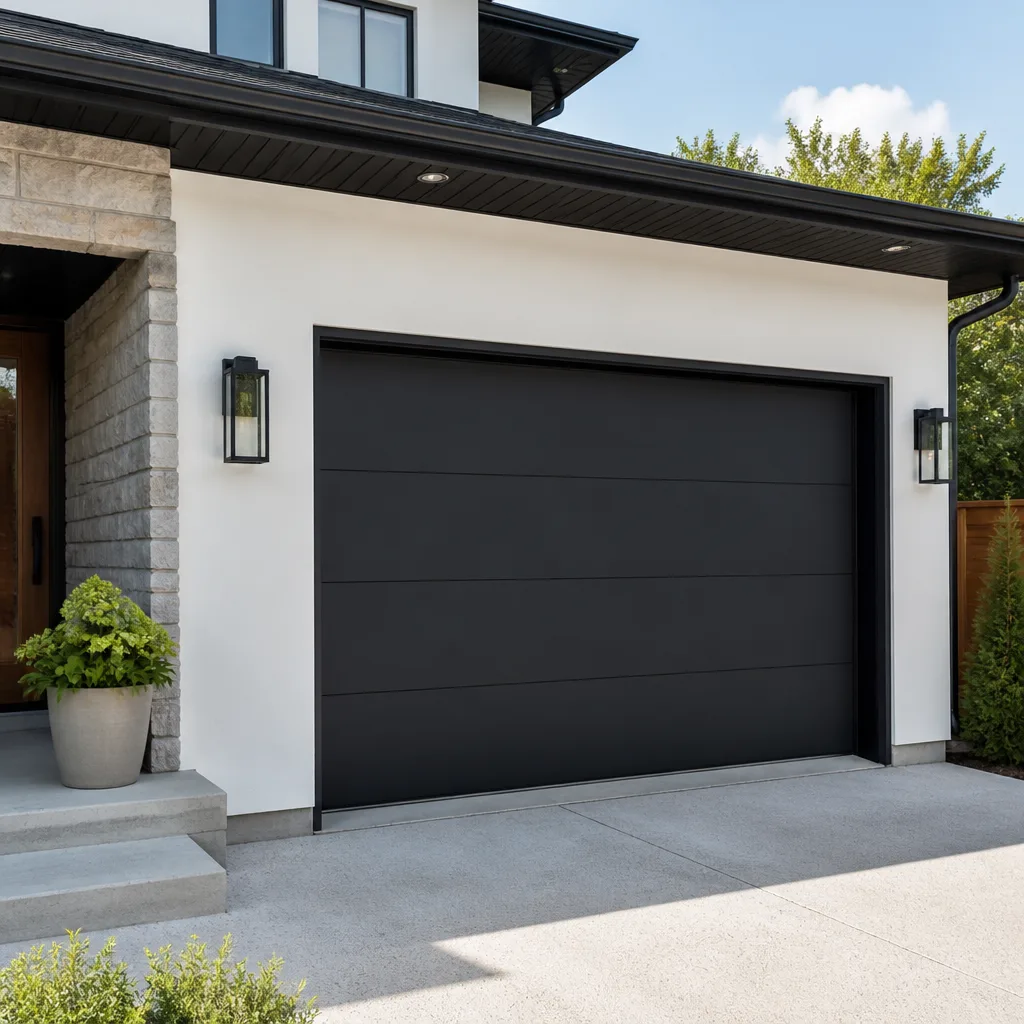 Modern flush
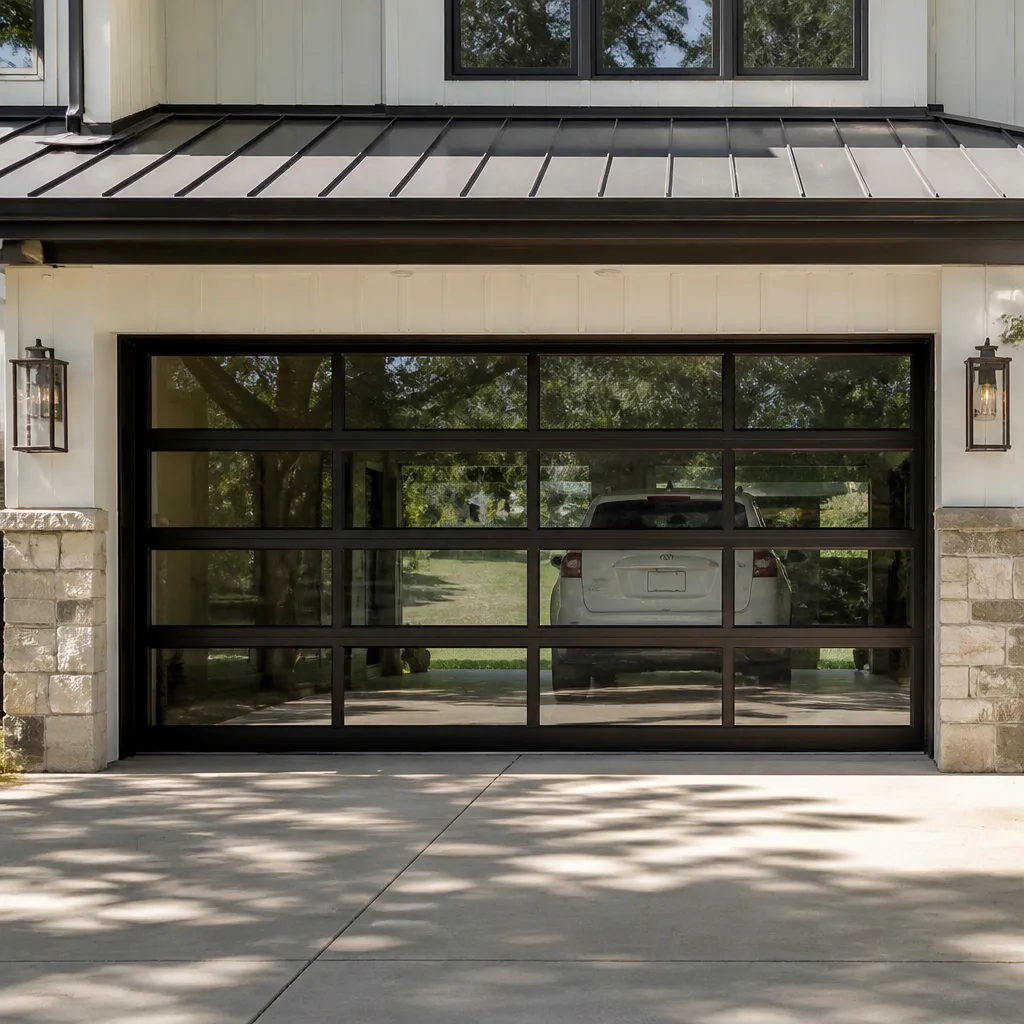 Full-view glass
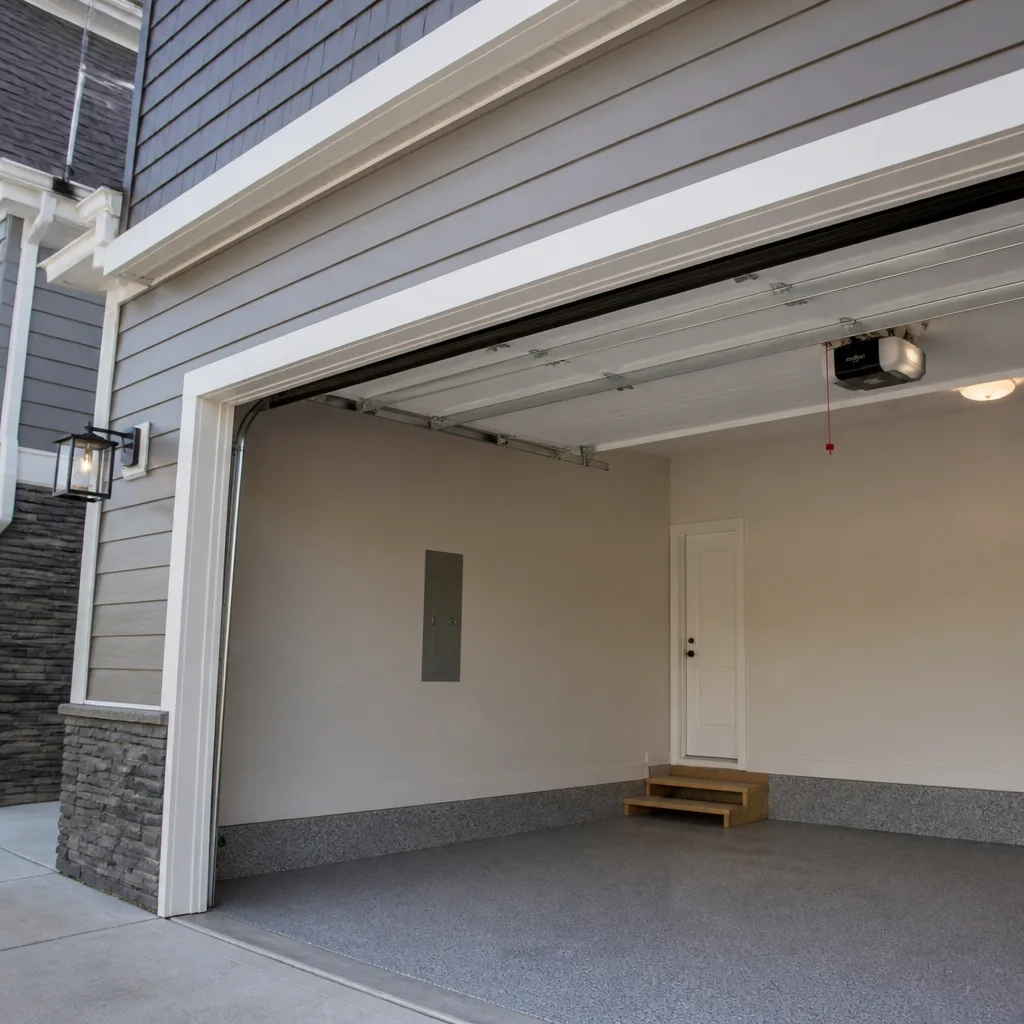 LiftMaster openers
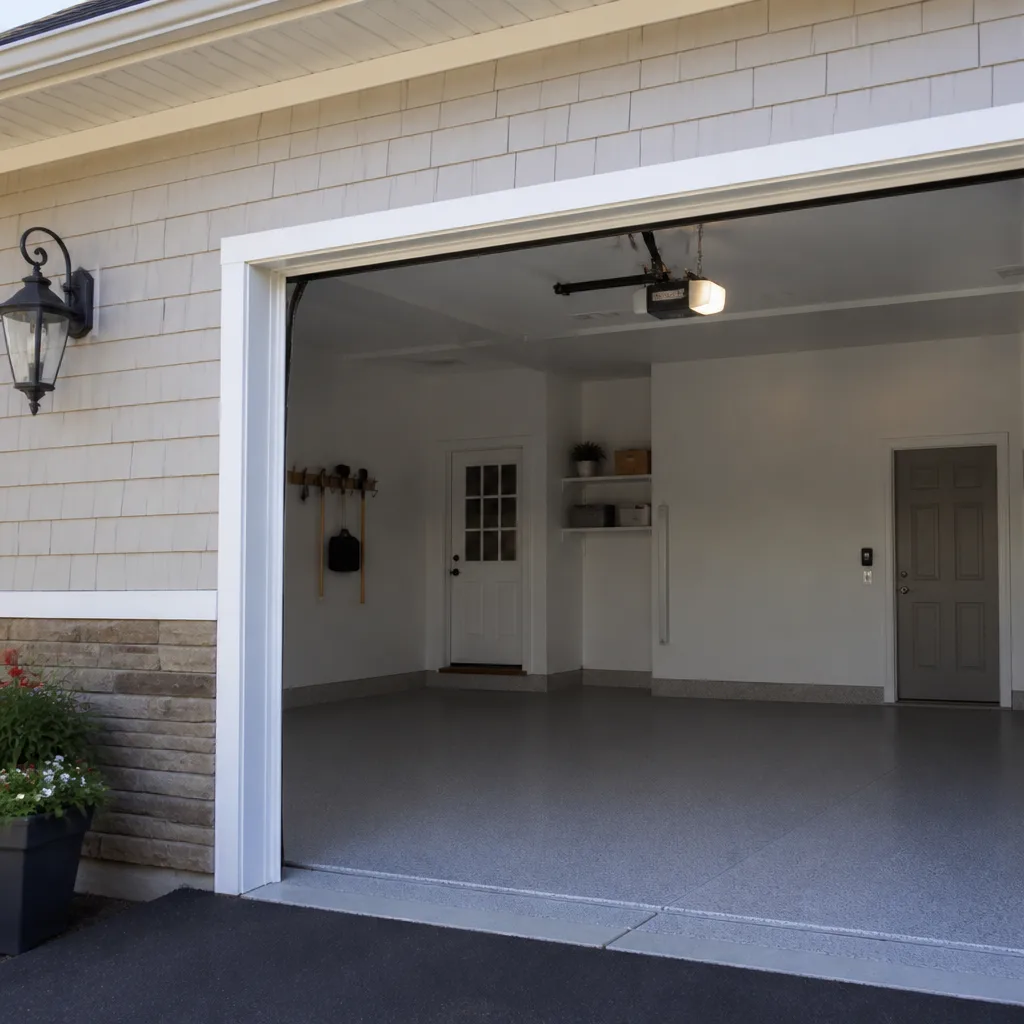 Chamberlain openers
Full 25-point door and opener safety check with every visit - springs, cables, rollers, tracks, and your LiftMaster or Chamberlain opener included
You get a price before we start. It does not change when the pro arrives.
Get your free estimateGarage Door Repair Troubleshooting in Corona: Common Problems and How to Fix Them
The door that “just stopped working” is almost never a single failure. In our experience across Corona, it’s usually one worn component that quietly transferred stress to two others before anything looked obvious: a stretched spring that overloaded the opener motor, a bent track that chewed through a roller, a misaligned sensor that made a perfectly healthy door reverse for no reason. Homeowners replace the wrong part first because they diagnose by symptom instead of by category. This guide maps every common Corona garage door symptom to its real root cause, tells you which sounds implicate which hardware, and gives you a clear line between what a screwdriver can fix and what genuinely needs a technician.
Quick Answer
Most Corona garage door failures fall into five mechanical categories: opener faults, spring faults, track and roller faults, panel damage, and safety sensor faults. Diagnosing the category first prevents you from replacing a working part. Springs, cables, and anything involving the torsion system are not DIY jobs and carry a real injury risk, so those always call for a trained professional.
Styles & brands we work with
- Raised-panel steel
- Carriage house
- Modern flush
- Full-view glass
- LiftMaster openers
- Chamberlain openers
Table of Contents
- The Five Mechanical Categories Every Garage Door Problem Falls Into
- Symptom-to-Category Map: Diagnose Before You Replace
- What the Sound Tells You: Grinding, Popping, and Scraping
- Which Troubleshooting Steps Are Safe and Which Are a Liability
- How Queens Humidity and Cold Snaps Break Corona Hardware
- Opener and Safety Sensor Faults That Mimic Bigger Problems
- The Stop/Call Decision Tree
- What Repair Typically Costs in Corona
The Five Mechanical Categories Every Garage Door Problem Falls Into
Before you touch anything, sort the problem into a category. Almost every complaint about a door in Corona lands in one of five buckets, and each bucket has a different “can I fix this myself” answer. This is the single most useful piece of troubleshooting advice we can give: identify the category, not the part.
- Opener faults. The motor, the logic board, the gears, the remote or wall control, the belt or chain. Symptoms are electrical-feeling: nothing responds, or the door hums but doesn’t move, or the motor runs and the door creeps.
- Spring faults. Torsion springs above the door or extension springs along the sides. Symptoms are heavy lifting, a loud bang, a gap in the spring coil, or a door that slams down.
- Track and roller faults. The vertical and horizontal tracks, the rollers that ride in them, the hinges between panels. Symptoms are binding, wobbling, a door that comes off one side, or a scraping that changes as the door travels.
- Panel damage. The sectional panels themselves. Symptoms are dents, cracks, a cracked bottom section, or a panel that’s pulling away from its hinge.
- Safety sensor faults. The two small photo-eye sensors near the floor. Symptoms are a door that closes a foot and reverses, a flickering light on the motor head, or a door that won’t close at all.
Why does the category matter so much in Corona? Because the housing stock runs from older single-car garages in Queens Village and Corona Heights to newer two-car builds, and the age of the hardware changes which failure you’re most likely to hit. An older door with heavy steel panels stresses a spring and opener that a lighter modern door wouldn’t. The category tells you where to look; the age tells you what’s probably worn.
Symptom-to-Category Map: Diagnose Before You Replace
Here’s the practical version. Match your symptom to the category it almost always points to. This saves you from buying a new opener when the real problem is a stretched spring, or replacing panels when a roller is the culprit.
- Door won’t move at all, no sound from the motor. Opener category. Usually power, a tripped breaker, a dead remote battery, or a wall control issue – not the door mechanism.
- Motor hums but the door doesn’t move. Opener category, often the gears or the drive. Sometimes the door is mechanically jammed and the opener is straining against it, which is really a track or spring fault underneath.
- Door is very heavy to lift by hand. Spring category. A balanced door should lift with one hand. If it feels like it weighs twice what it should, a spring has lost tension. Leave this to a technician.
- A loud bang from the garage, then nothing. Spring category. A torsion spring breaking sounds like a gunshot. The door will feel dead heavy afterward. Do not run the opener again.
- Door drifts to one side or rubs. Track and roller category. A bent track or a seized roller. This is a mechanical alignment job.
- Door closes partway and reverses. Sensor category first, but also check for an obstruction or a track issue. Start with the sensors.
- Dents, cracks, or a bowing panel. Panel category. A cracked or bent panel changes the door’s travel and can load the springs unevenly.
The trap here is that two categories can present the same symptom. A door that reverses near the floor can be a sensor fault or a track binding that physically stops the door and triggers the safety reverse. That’s why the diagnostic test matters: if the sensors show clear and aligned but the door still reverses, the problem is mechanical, and you’ll usually find it in the track or the rollers. When you’re not sure where to go next, our garage door repair team can sort the category in minutes instead of you guessing at parts.
What the Sound Tells You: Grinding, Popping, and Scraping
Corona garages talk. The specific sound a door makes points to specific hardware, and learning to distinguish them is one of the fastest ways to diagnose without opening anything up.
Grinding
Grinding usually implicates the opener’s drive system – worn gears in a chain-drive or screw-drive unit, or a dry, worn belt. It can also come from rollers that have seized and are dragging along the track instead of rolling. In our experience, a steady grind that speeds up as the door moves is the opener; a grind that pulses with the door’s travel is a roller. Craftsman and Chamberlain chain-drive openers are common in Corona and are prone to gear wear as they age, which is why opener problems are one of the most frequent calls we get.
Popping
A sharp pop, especially when the door is halfway up, is often a broken or slipping torsion spring, or a cable that’s jumped its drum. Sometimes it’s a hinge that’s pulled loose and is snapping as the door articulates. Any pop tied to a sudden loss of lifting power is a spring fault – treat that as a “stop and call” sound.
Scraping
Scraping that changes as the door goes up and down is almost always metal against metal: a bent track, a roller out of its channel, or a panel edge rubbing the frame. Sometimes it’s a track that’s been knocked out of alignment – a car bumper tagged the vertical track, or a heavy piece of stored gear leaned against it. Track alignment is adjustable, but a badly bent section usually needs replacement.
If you can tell us the sound and roughly when it happens (on the way up, on the way down, at the start), we can usually tell you the category before we arrive. That’s part of why we’re factory-familiar with LiftMaster, Genie, and the major panel brands – the sound and the hardware often match.
Which Troubleshooting Steps Are Safe and Which Are a Liability
This is where we’re blunt. Some troubleshooting is safe for a homeowner with a screwdriver and a flashlight. Some has caused genuine injuries and belongs only with a trained technician. Knowing the difference protects you.
Safe to do yourself:
- Check the power: breaker, GFCI outlet, wall switch. Confirm the opener has power before assuming a bigger failure.
- Test and clean the safety sensors: wipe the lenses, check for obstructions, confirm the indicator lights are solid.
- Replace remote batteries and re-pair a remote to the opener per the manual.
- Visual inspection: look at the springs, cables, tracks, and panels for obvious damage, without touching them.
- Clear obstructions from the door’s path and check that the manual release (the red cord) hasn’t been pulled.
Not safe – call a technician:
- Adjusting, winding, or replacing torsion springs. These store enormous energy. A spring under tension can release suddenly and cause serious injury. Do not attempt this.
- Touching cables. Cables are under tension too, and a snapped cable is dangerous.
- Forcing or prying a jammed door. Forcing it can drop the door or bend the tracks further.
- Adjusting the opener’s force or travel limits to “make it work.” That often masks a real mechanical fault and defeats the safety reverse.
Spring repair is one of the most searched garage door problems for a reason – it’s also one of the most dangerous DIY repairs. When it can’t wait, that’s exactly the call to make rather than the one to attempt. Our team handles spring repair as a dedicated specialty, and we can work with your insurer if a failure ends up part of a claim. If you’re weighing whether to attempt the repair or call, read through our full Corona Garage Door Repair Pros overview of what we handle before you pick up a wrench.
How Queens Humidity and Cold Snaps Break Corona Hardware
Corona’s climate does something specific to garage door hardware that homeowners elsewhere don’t see as often: it breaks things in ways that look electrical but are actually mechanical.
New York’s summers bring humidity and heat, and winters bring hard cold snaps. Neither is extreme on its own, but the swing between them is what wears hardware. Metal expands in the heat and contracts in the cold. Springs, cables, and hinges cycle through that expansion and contraction every season. Lubricant that was fine in July can stiffen in January. Rollers that rolled smoothly in mild weather can drag when the grease thickens. Panels and frames move slightly with the temperature, which can pull a hinge loose or make a track feel tight.
Here’s the part that fools people. A door that starts reversing or stops partway in the cold often gets blamed on the opener’s electronics. In our experience, it’s frequently a mechanical issue the cold tipped over the edge: a stiff roller, a track that’s shifted slightly, a hinge that’s pulled. The opener is just the messenger. Before replacing an opener board or a motor, rule out the mechanical causes first, because a cold-related track or roller issue is a fraction of the cost to fix.
Humidity adds its own wrinkle. Damp air in an unheated garage speeds up corrosion on bare metal, so cables, springs, and track hardware wear faster than they would in a dry climate. Keeping the moving parts lubricated with a garage-door-rated lubricant helps, but it doesn’t replace a technician checking the tension and alignment when something feels off. Older Corona homes with uninsulated garages see more of this than newer builds, and single-car garages that hold moisture tend to show it first.
Opener and Safety Sensor Faults That Mimic Bigger Problems
Sensor and opener faults are the biggest source of unnecessary replacements. Homeowners see a door that won’t close and assume the whole opener is dead. Most of the time it’s a five-dollar fix.
First, the safety sensors. These are the two small units mounted near the floor on each side of the door, one sending a beam and the other receiving it. If the beam is broken or misaligned, the door reverses or refuses to close. The symptoms: a flickering light on the motor head, a door that closes a foot and reverses, or a door that won’t close at all from a remote but works from the wall control. Check for:
- Obstructions in the beam path – a broom, a garbage bag, a bike wheel, or a stored item.
- Dirty lenses. Wipe both.
- Misalignment. The two sensors should point directly at each other. A bump from a car or a leaning object knocks them off line easily.
- Sunlight or a reflected glare hitting the receiving sensor, which can fool it on a bright day.
If both sensors indicate solid and the door still reverses, the problem isn’t the sensors – it’s the door mechanically binding or the opener’s travel limits set wrong. That’s when a technician earns the call, because adjusting force and travel limits on a door that’s actually binding is how people end up with a damaged door or a defeated safety reverse.
Remote and wall control issues are usually just pairing or batteries, but a Raynor or LiftMaster opener that won’t respond to any remote but works from the wall control points to a logic board or receiver. That’s a hardware call, not a battery. If you’ve changed batteries, re-paired, and checked the sensors and the door still won’t respond, our garage door opener repair handles the diagnostics for any major brand.
The Stop/Call Decision Tree
Run through this in order. It takes two minutes and keeps you from spending an hour on something a technician resolves quickly.
- Is there a loud bang, a heavy door, or a gap in the spring? Stop. Spring fault. Don’t run the opener. Call a technician.
- Is the door visibly off its tracks, bent, or hanging at an angle? Stop. Don’t force it up or down. Call a technician.
- Does the door respond to nothing, with no motor sound? Check power, breaker, and the manual release. If those are fine and there’s still no response, it’s opener electronics – call.
- Does the door reverse or refuse to close? Clean and align the sensors. If that doesn’t solve it, check for a physical obstruction or a binding track. If it still reverses, it’s mechanical – call.
- Is the door noisy but working? Lubricate the moving parts, check for a loose hinge or a dragging roller. If the noise persists after that, it’s worth a look.
- Does the door work but feel heavy or drift to one side? Mechanical fault – call before it gets worse.
If your answer is “call” and it’s a security or access problem, say so. Emergency garage door service is a core part of what we do, not an add-on, and for a door that’s jammed open with the house exposed or jammed shut with the car trapped, that’s exactly the situation it’s for. For planned work – a bent track, a worn roller, a panel that needs replacing – it’s a straightforward repair call.
What Repair Typically Costs in Corona
Nobody likes a surprise invoice. The ranges below are typical for the Corona market and the surrounding Queens neighborhoods, and they’re the kind of estimate you should expect for each category. The written quote we give before any work starts is what sets the final price. That’s a real commitment, not a marketing line – you agree to the number before a technician touches the door.
| Repair | Typical estimated range | Notes |
|---|---|---|
| Safety sensor alignment or replacement | $95 – $180 | Usually a fast fix |
| Roller or hinge replacement | $110 – $250 | Per set or per hinge, depending on scope |
| Track alignment or repair | $150 – $350 | Bent sections may need replacement |
| Torsion spring replacement (one spring) | $180 – $340 | Matched pair usually replaced together, about twice this |
| Opener repair (gear, board, or drive) | $160 – $400 | Varies by brand and part |
| Panel replacement | $250 – $650 | Per panel, brand and style dependent |
What drives the range? The brand and age of the hardware, the condition of the surrounding parts, and whether one failure has stressed others. Spring replacement is the category where homeowners most often get a surprise on the pair: matched springs are usually replaced together because the second one is close behind the first, so the pair costs roughly twice a single spring. We quote each spring and the pair separately so it’s clear what you’re choosing. Thinking about replacing the whole door instead of repairing a hopeless one? Start with our garage door installation page for what a measured, scheduled replacement looks like.
Common Mistakes to Avoid
- Replacing the opener when the spring failed. A dead-feeling door with a humming motor is usually a spring fault, not a motor fault. Test the door by hand first – if it’s heavy, the opener is the victim, not the cause.
- Adjusting the opener force to force a binding door. Turning up the force “fixes” the symptom and defeats the safety reverse. That’s how doors get bent or people get hurt.
- Ignoring the second spring. When one torsion spring breaks, the pair has usually reached the same age. Replacing one and skipping the other often means a second call weeks later, and the pair is cheaper together than as two separate visits.
- Trying a spring or cable repair with no training. The stored energy in a torsion spring can release without warning. In Corona’s older two-car garages, the heavier doors put more load on those springs. This is the one repair to leave alone.
- Forcing a jammed or off-track door. Prying a door that’s jumped its track can drop it, bend panels, or damage the garage frame. Stop and call.
- Blaming the opener for a cold-weather reverse. In a Queens cold snap, a stiff roller or a shifted track can trigger the safety reverse and look like dead electronics. Check the mechanicals before the motor.
- Skipping lubrication in a humid garage. Humidity in a damp Corona garage speeds up corrosion on cables and hardware. A garage-door-rated lubricant on the moving parts slows the wear, but it doesn’t replace a check of tension and alignment when something changes.
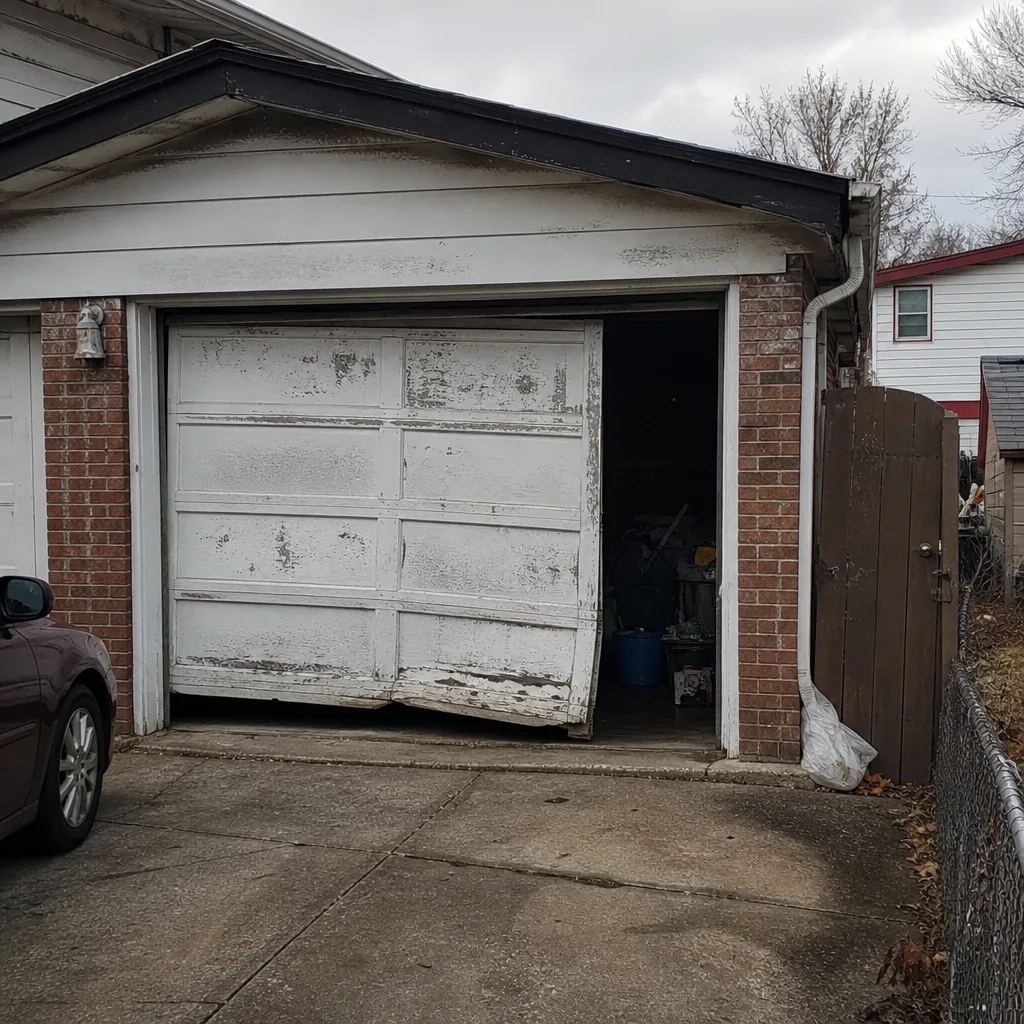
See the difference
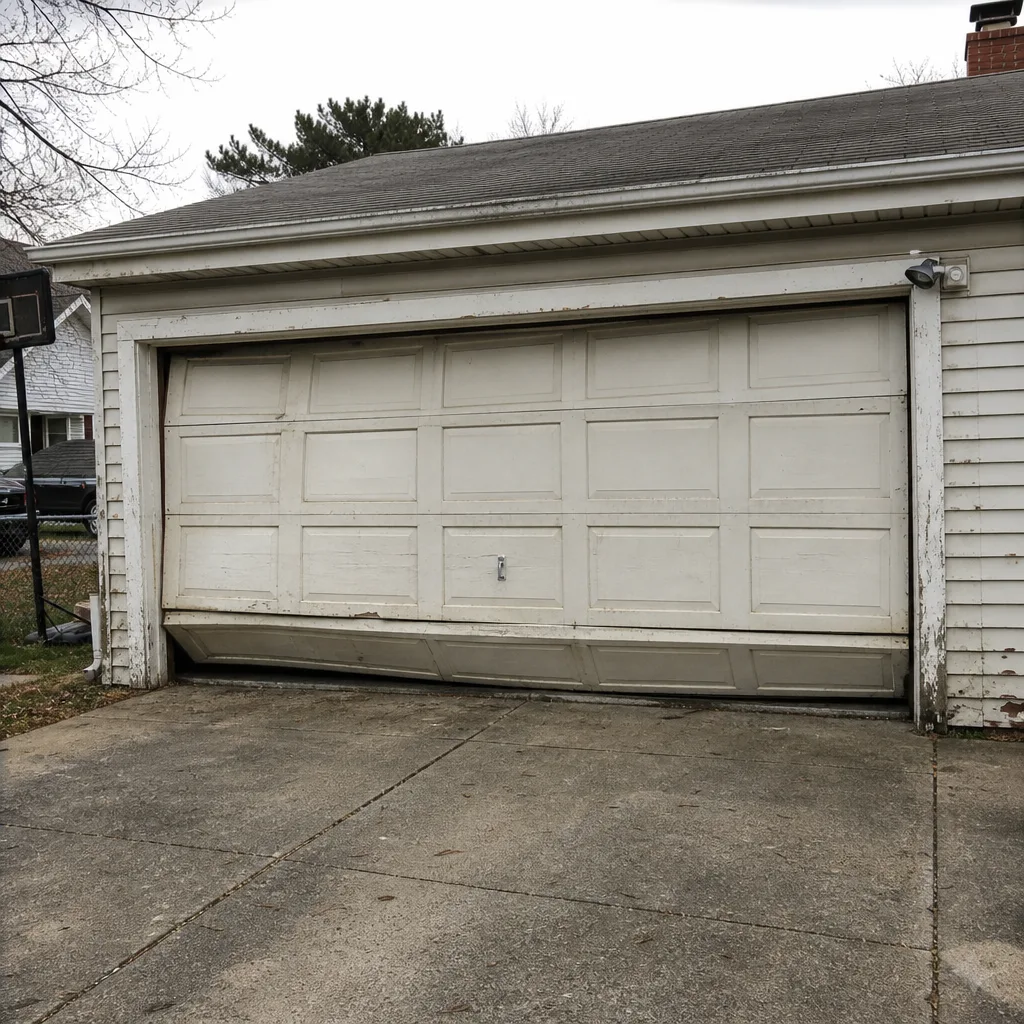 Before
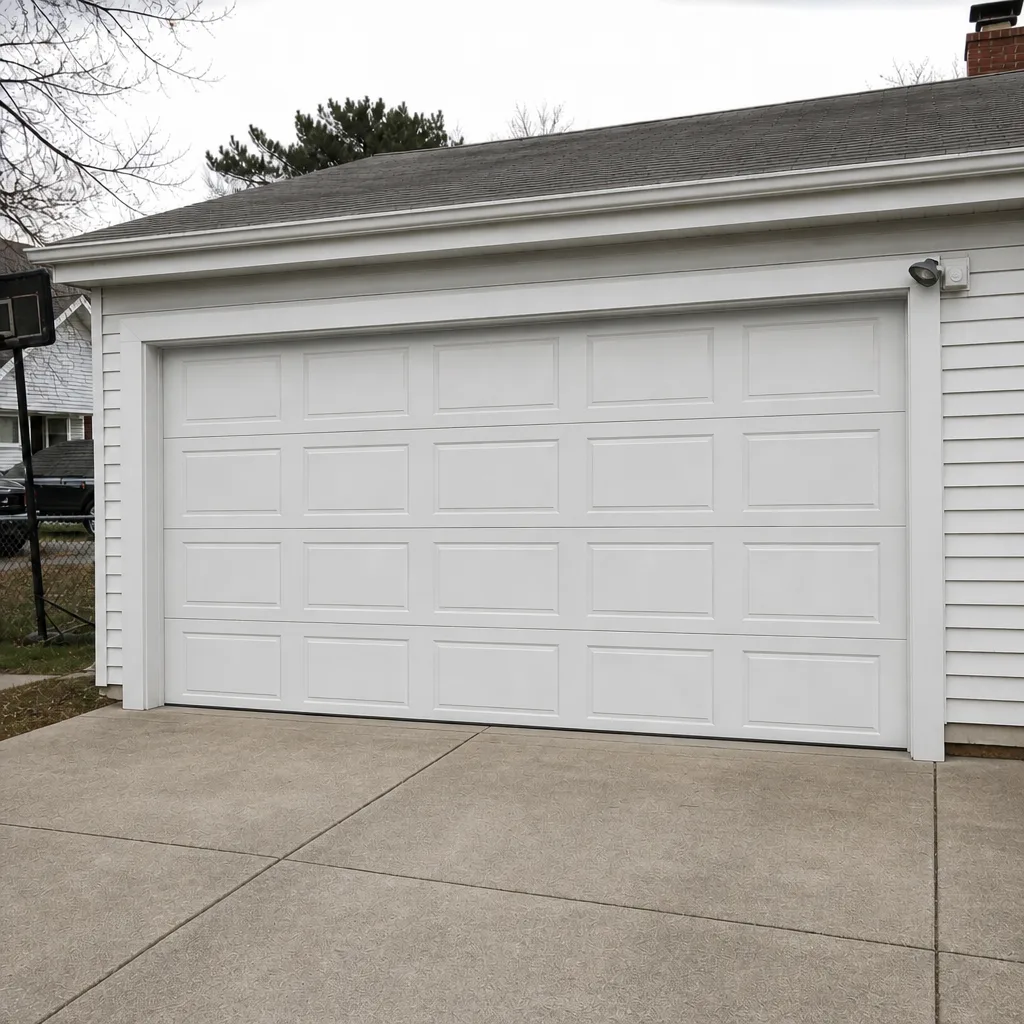 After
 Before
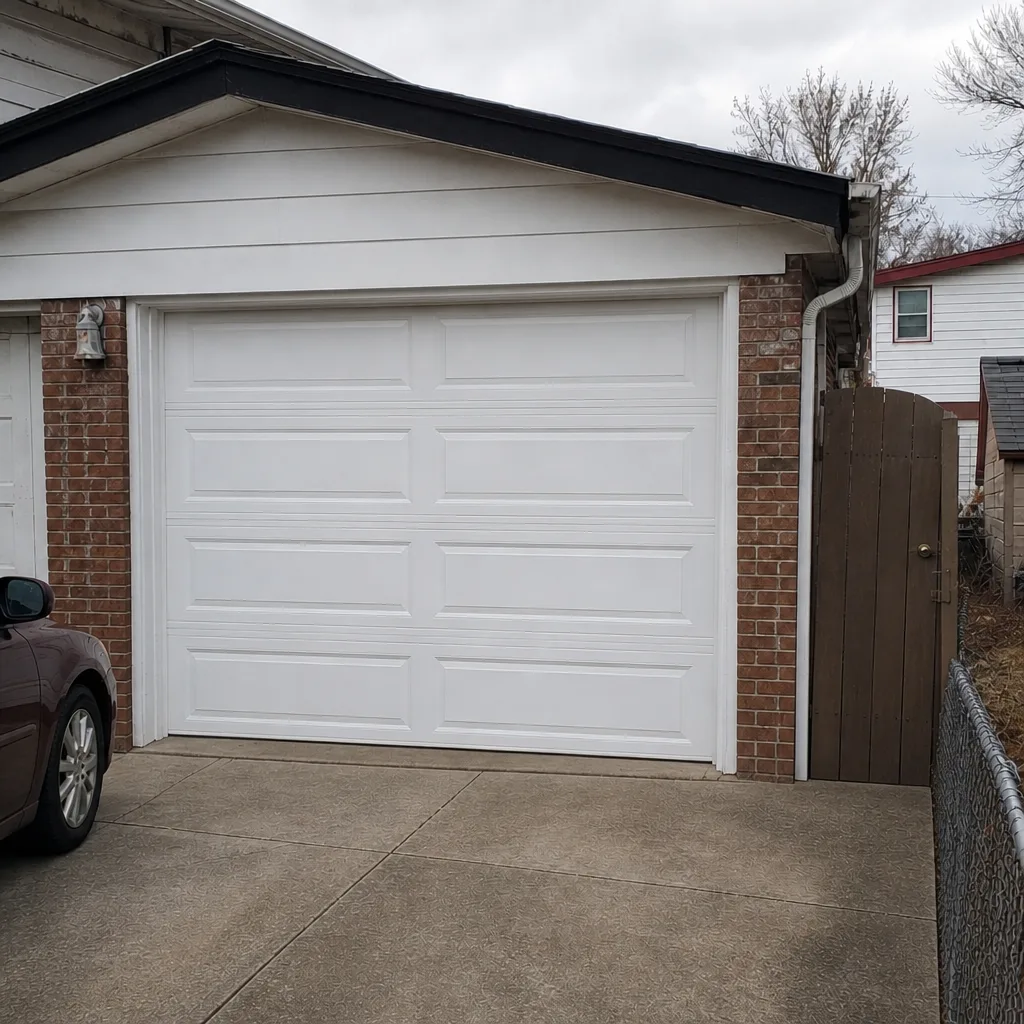 After
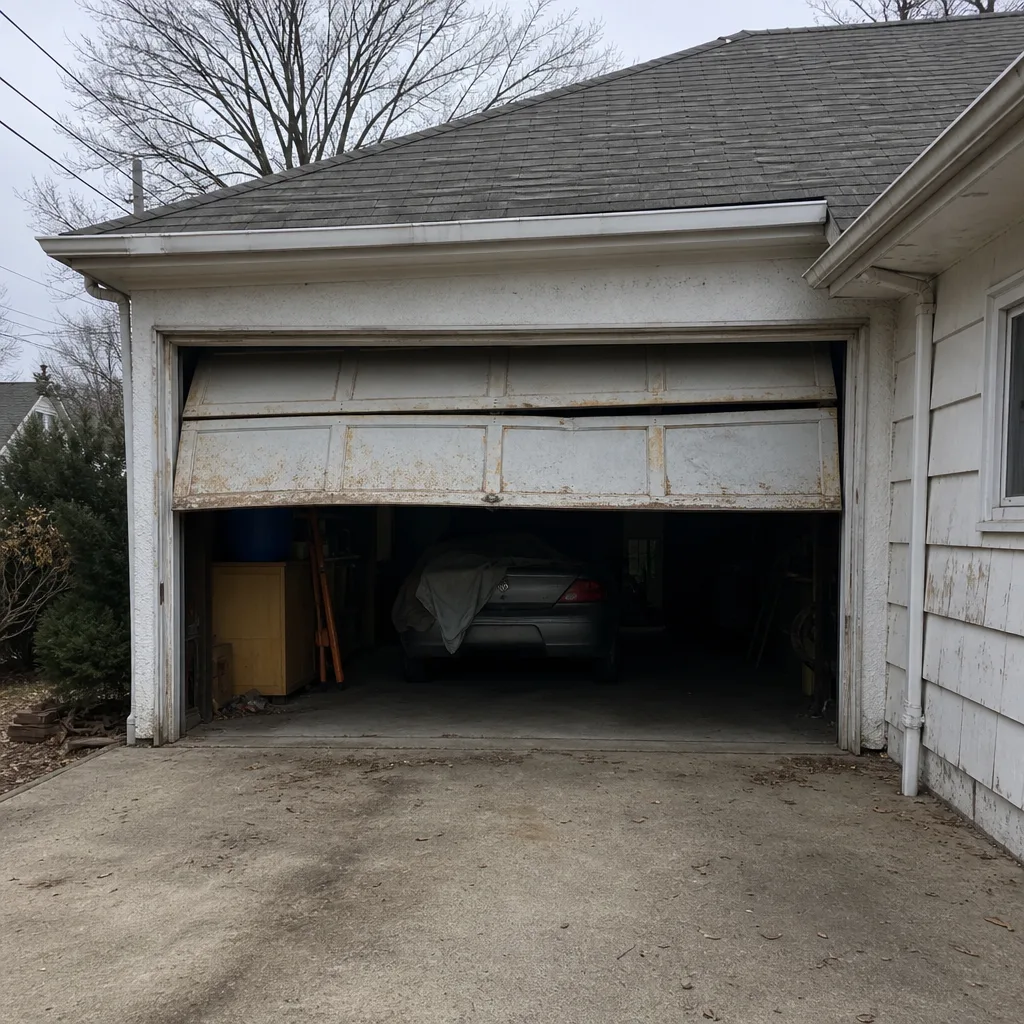 Before
 After
When to Call a Professional
Call a professional the moment any of these is true: a spring has broken or the door is suddenly heavy to lift, the door is off its track or hanging crooked, a cable has snapped or looks slack, the door reverses with the sensors clear and aligned, or the opener hums with no movement. Also call if you simply can’t tell which category the problem is – the diagnosis itself is worth the call. We offer free estimates in Corona and the surrounding neighborhoods. Our technicians have up to 10 years of experience across the major brands, so we can work on the hardware you already have instead of steering you into a replacement you don’t need. When it can’t wait, tell us that at the start. Call (855) 658-4170 and we’ll get a technician out to diagnose and quote before anything is touched.
Frequently Asked Questions
Most repairs in Corona fall between about $95 and $400 depending on the category: sensor fixes at the low end, track and roller work in the middle, spring and opener repairs toward the top. Panel replacement and full-door work run higher. The written estimate sets the final price, and you approve it before any work starts. Call (855) 658-4170 for an exact quote – estimates are free.
Yes for urgent security or access situations – emergency garage door service is a core offering, not an add-on. A door stuck open, jammed shut, or hanging off its track is exactly the call for same-day help. Call (855) 658-4170 and describe what you’re seeing, so we can prioritize the visit.
No – you’ll get a written quote before any work starts, and that’s the price you agree to. The reason we quote after a diagnosis rather than over the phone is that symptoms can point to two different categories, and we don’t want to guess at a number that changes once we’re there. Call (855) 658-4170 to schedule a free estimate.
Yes. The local professionals we connect you with are licensed and insured as their state requires. You’re working with trained garage door specialists rather than a general handyman dividing attention across trades, and the work is handled by one company from diagnosis to repair, so there are no handoffs for the core job. Call (855) 658-4170 with any questions about credentials.
No. Torsion springs store an enormous amount of energy and can release suddenly without warning, causing serious injury. Adjusting, winding, or replacing a spring is a job for a trained technician – it’s the repair we most often tell Corona homeowners to leave alone. Call (855) 658-4170 and we’ll handle the spring safely.
Yes. We’re factory-familiar with the eight major residential garage door and opener brands, including LiftMaster, Chamberlain, Genie, Clopay, Amarr, Wayne Dalton, Craftsman, and Raynor. We repair the system you already have rather than pushing a replacement or a preferred brand, so a diagnostic visit usually ends in a fix, not a sales pitch. Call (855) 658-4170 for a free estimate.
The Bottom Line
The door that stopped working is almost always a chain reaction, not a single break. Diagnose by category – opener, spring, track, panel, sensor – before you replace a part, because the wrong part is the most expensive mistake in this repair. Match the sound to the hardware, respect the line between a screwdriver fix and a spring job that carries real injury risk, and remember that Queens humidity and cold snaps make mechanical faults look electrical. In Corona, the right move is usually a diagnosis first and a fix second. For a free estimate on any of it, call Corona Garage Door Repair Pros at (855) 658-4170.
Written by the team at Corona Garage Door Repair Pros.