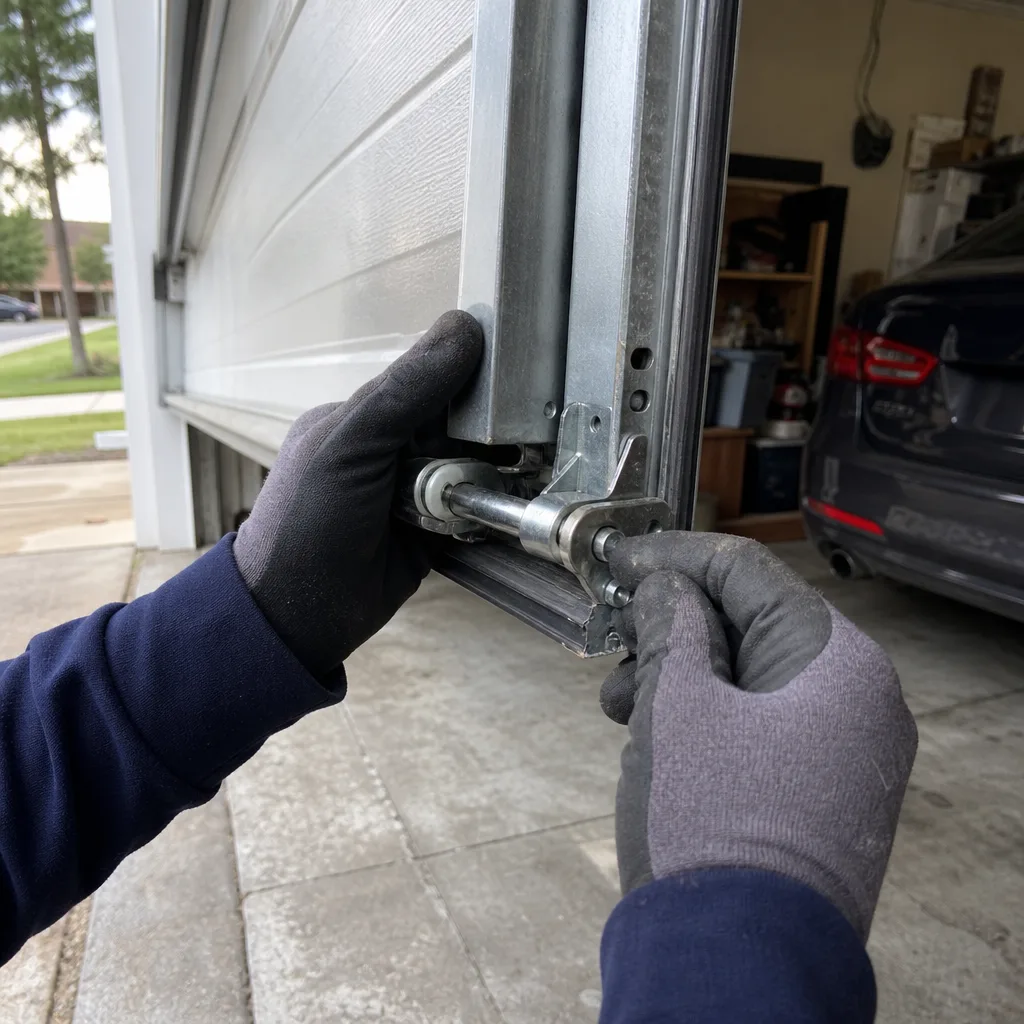
Last updated November 21, 2026
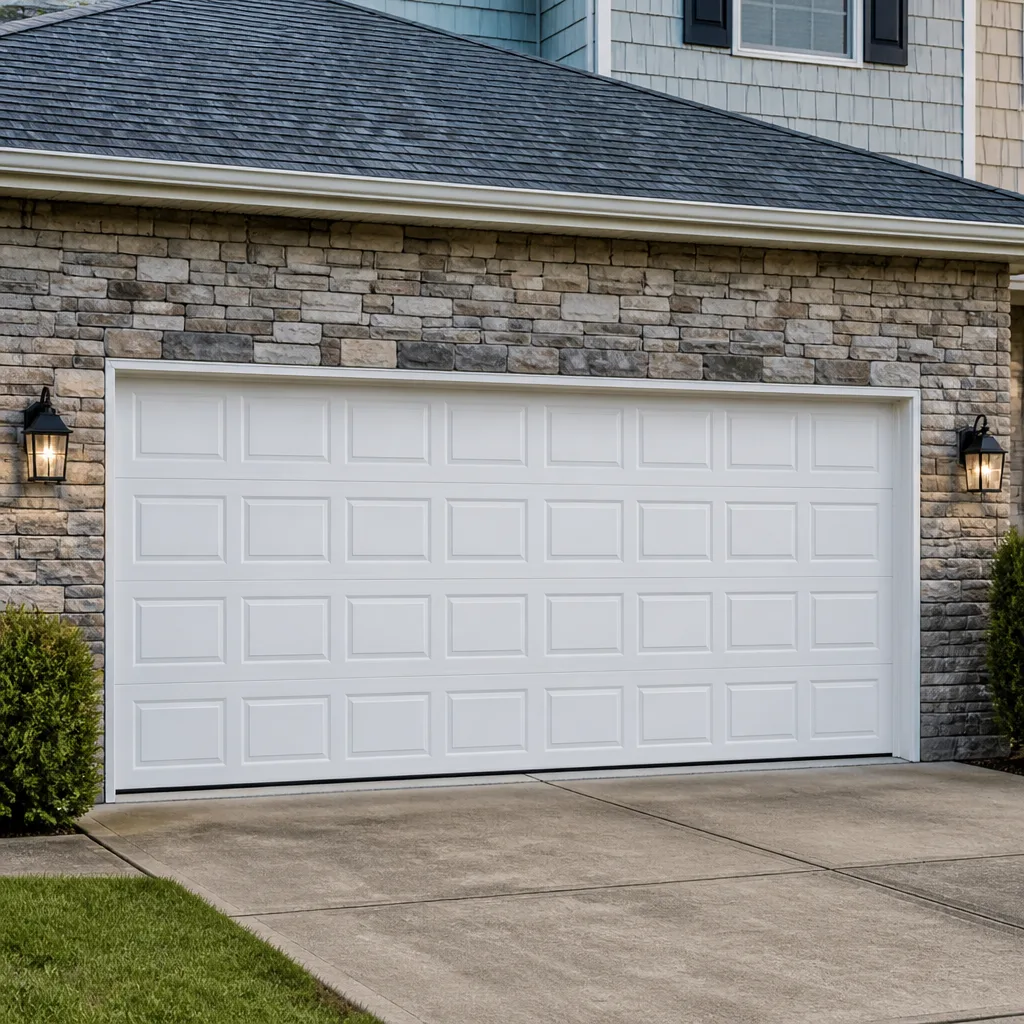 Raised-panel steel
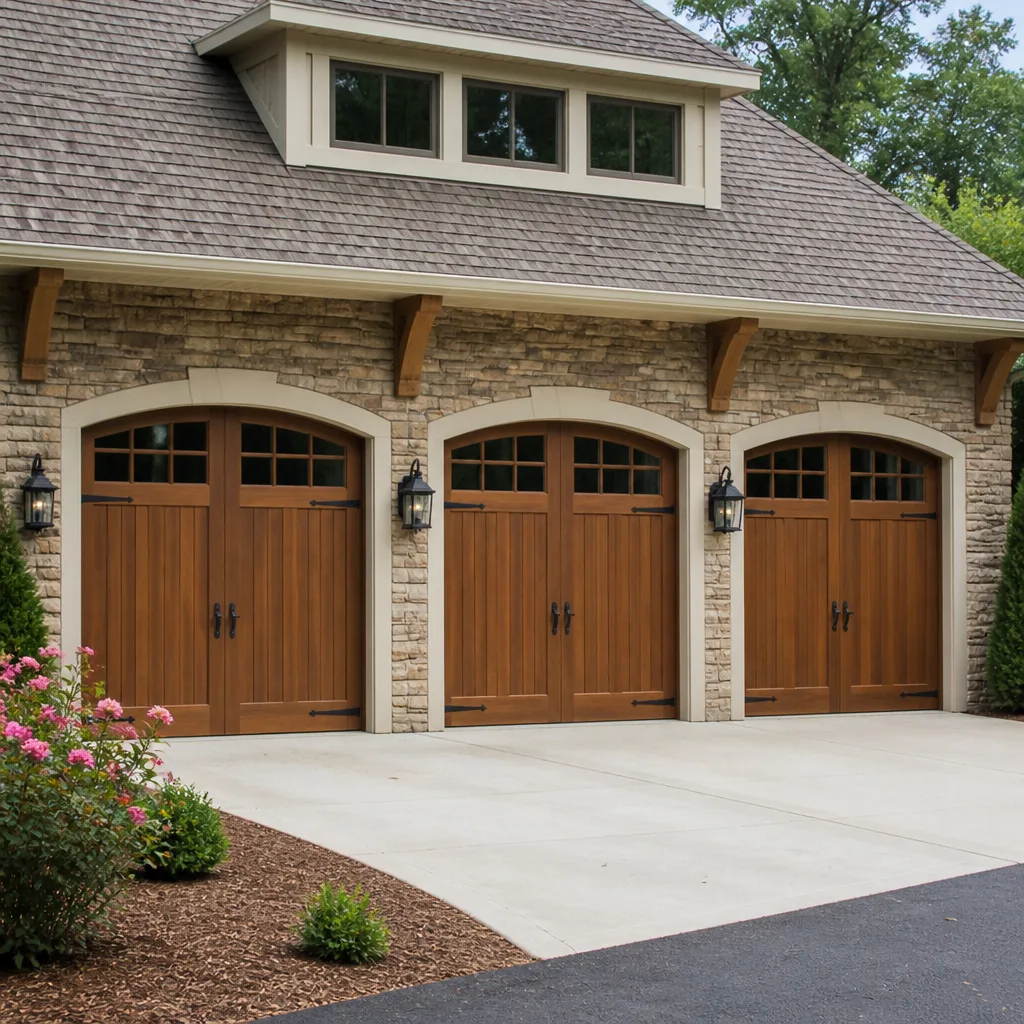 Carriage house
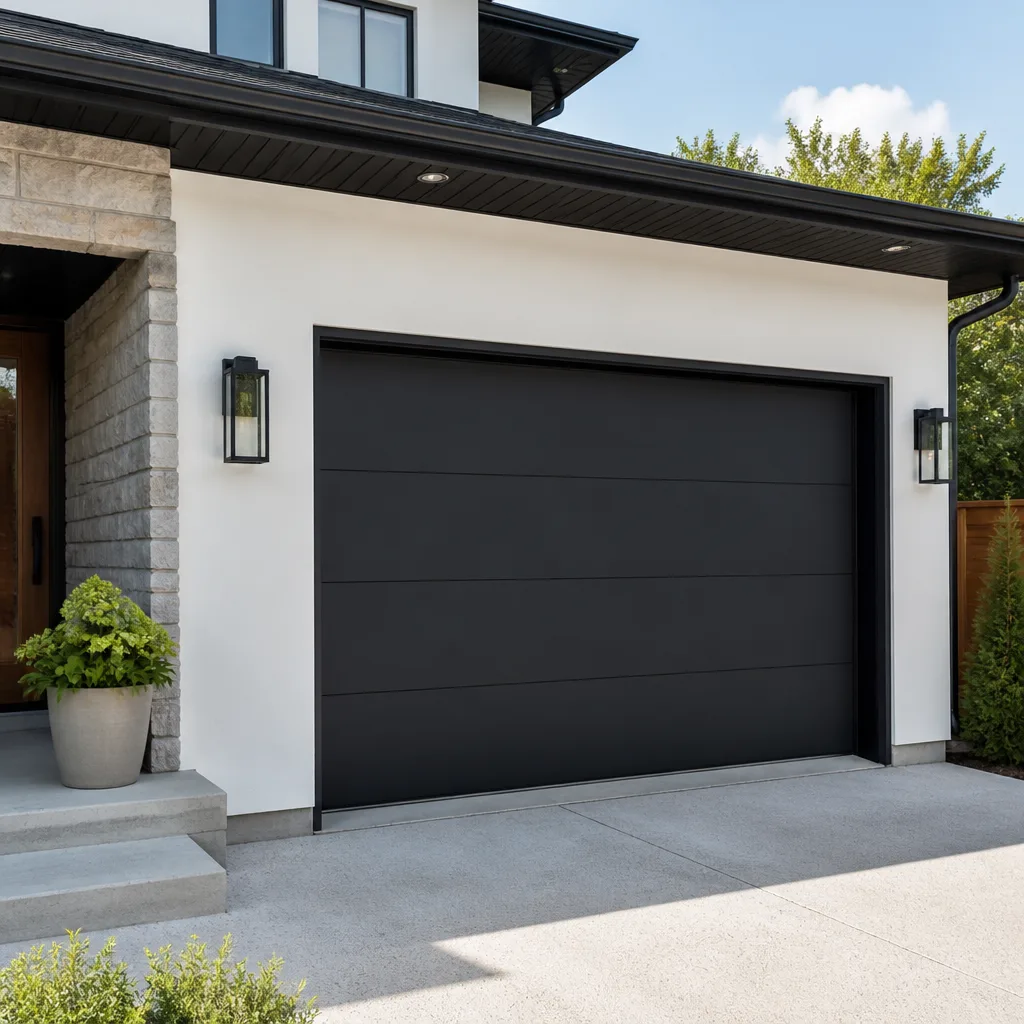 Modern flush
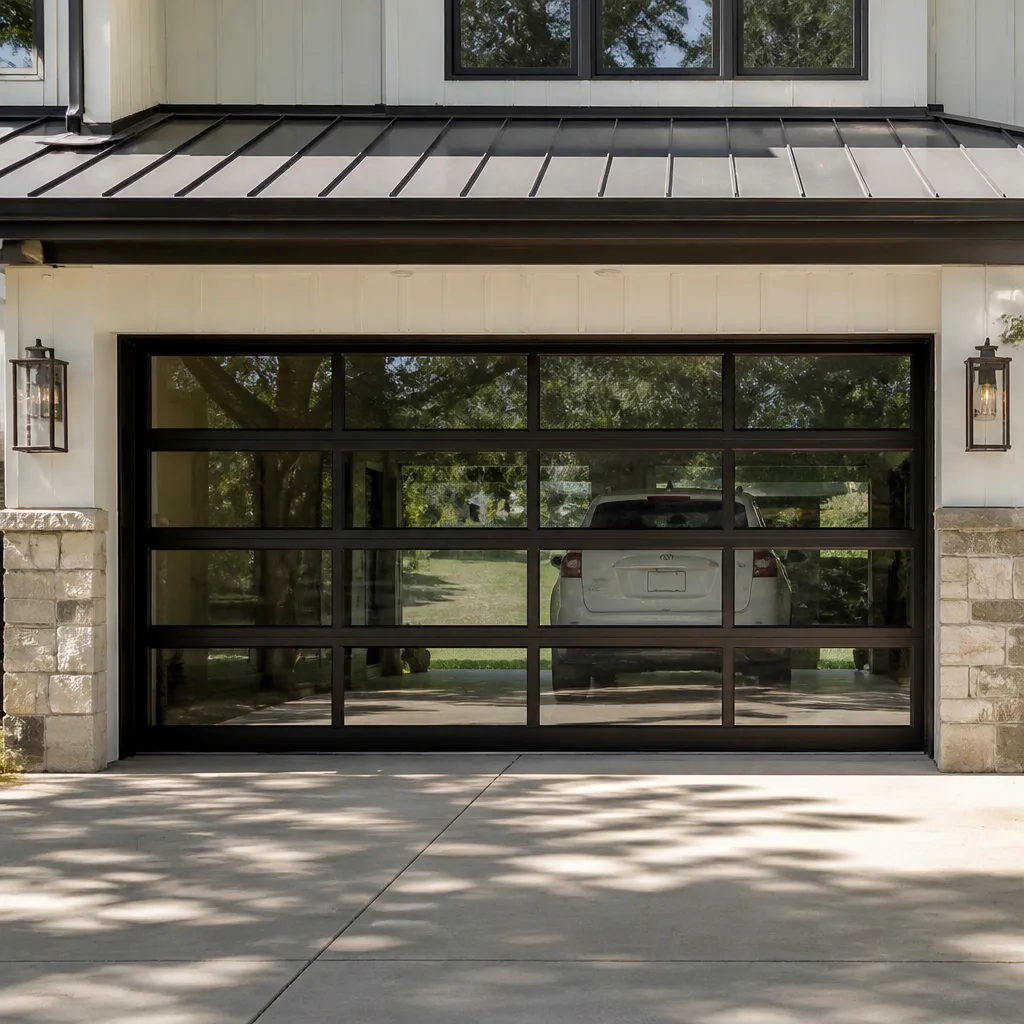 Full-view glass
 LiftMaster openers
 Chamberlain openers
Full 25-point door and opener safety check with every visit - springs, cables, rollers, tracks, and your LiftMaster or Chamberlain opener included
You get a price before we start. It does not change when the pro arrives.
Get your free estimateGarage Door Emergency Preparedness Guide for Corona Homes
Most homeowners think emergency preparedness means keeping spare parts on a shelf. It doesn’t. When a torsion spring snaps at 7 AM on a Tuesday and your car is inside, the next decision you make matters far more than anything in your toolbox. Pull the wrong cord, force the wrong panel, or call the first number that answers at midnight, and a repair that should be straightforward can turn into a much bigger and costlier job. This guide walks you through the first 10 minutes of a garage door failure: what to check, what to avoid, what to have ready when you call, and how to protect your home if the door is stuck open. It’s written for Corona homeowners, and it covers what after-hours help realistically looks like in Queens.
Quick Answer
If your garage door fails, stay clear of the springs and cables, work out whether the problem is the door or the opener, and don’t force anything. If the door is stuck open or won’t secure your home, deal with security first. Then call a garage door specialist with your door’s brand and a clear description of what happened. Most failures are diagnosed and repaired by a trained technician, and knowing what not to touch in the first 10 minutes is what keeps a repair simple and the final bill close to the written estimate.
Styles & brands we work with
- Raised-panel steel
- Carriage house
- Modern flush
- Full-view glass
- LiftMaster openers
- Chamberlain openers
Table of Contents
- The First 10 Minutes: What to Do and What Not to Touch
- The 60-Second Failure Triage: Identify the Problem Before You Call
- The Manual Release Cord: How to Use It, and the One Time You Shouldn’t
- Stuck Open or Exposed: Securing Your Corona Home Fast
- What to Have Ready When You Call a Technician
- After-Hours Emergency Response in Corona and Queens: What to Expect
- Spring Failures: Why This Is the One Repair You Never DIY
- Preparedness Before the Failure: A Simple Seasonal Check
The First 10 Minutes: What to Do and What Not to Touch
The first minutes after a garage door failure set the tone for everything that follows. The instinct is to grab the door and haul it up, or to jab at the opener remote over and over. Both can make things worse. A garage door is a balanced system of springs, cables, and tracks under real tension, and forcing a broken system can bend panels, pop a cable out of its drum, or put you in the path of stored energy that can release without warning. What you do instead is slow the process down and gather information.
Here’s the sequence we recommend to Corona homeowners the moment something goes wrong:
- Stop and listen. A loud bang from above the door usually means a torsion spring has snapped. A grinding or humming opener that doesn’t move the door points to the opener or its drive. A door that moves a few inches and reverses suggests a sensor or travel-setting problem.
- Keep people and pets clear of the door. Don’t stand under it, and don’t let anyone walk through a door that’s hanging unevenly.
- Don’t force the door. If it won’t budge by hand, it isn’t meant to right now. A door that’s out of balance can weigh far more than it should.
- Look, don’t touch. From a safe distance, look at the springs above the door and the cables along the sides. If a spring is visibly broken or a cable is slack or off its drum, stop here. That’s a professional repair.
- Check whether the opener still has power. A tripped breaker or a disconnected power cord to the opener explains a surprising number of “dead door” calls.
- Note what you saw and heard, then call. A clear description speeds up diagnosis and helps the technician arrive prepared.
The line between a quick fix and a serious repair usually comes down to whether the problem is mechanical (springs, cables, tracks, panels) or electrical (the opener and its accessories). Knowing which one you’re facing is the whole point of the next section. A Corona home with a door that won’t open in the morning is a real access problem, especially when the garage is the main way in and out, so getting the diagnosis right the first time saves hours.
The 60-Second Failure Triage: Identify the Problem Before You Call
Before you pick up the phone, spend 60 seconds working out which category your failure falls into. This one step is the difference between a technician who arrives with the right part and one who has to make a second trip. Every garage door failure falls into one of a handful of types, and each has its own signature.
Is it the door itself or the opener?
This is the first split. Disconnect the door from the opener using the manual release (covered in detail below), then try to lift the door by hand. If it’s heavy, binds, or won’t stay partway open, the problem is in the door system: springs, cables, rollers, or tracks. If the door moves smoothly by hand but the opener won’t move it, the problem is the opener. That distinction alone tells you which kind of technician skill set the job needs.
The common failure signatures
- Loud bang, door won’t lift, spring looks broken: a snapped spring. Don’t force the door. This needs a trained spring repair.
- Door goes up crooked or hangs at an angle: a cable has come off its drum or a spring on one side has failed. Stop using the opener; running it can tear up the door.
- Opener hums but nothing moves: a stripped gear or a broken drive in the opener. Common on older units, and repairable on the major brands.
- Door reverses immediately or won’t close: safety sensors or travel limits out of adjustment. Sometimes a simple fix, but a misaligned door can also trip sensors.
- Remote or keypad dead, wall button works: usually a remote, battery, or receiver issue rather than the door.
- Door slams down hard: a broken spring or a failed opener, and a safety concern. Don’t operate it.
We work on Genie, Clopay, Amarr, and Wayne Dalton systems regularly, among others, and the signature of each failure is familiar. A technician who already knows your hardware asks fewer questions and diagnoses faster. If you’ve narrowed the problem to the door system rather than the opener, a garage door repair visit is the right next step. If the opener is the culprit, that’s a separate repair path.
The Manual Release Cord: How to Use It, and the One Time You Shouldn’t
The manual release cord is the red handle hanging from the opener rail, and it’s the single most misunderstood part of a residential garage door. Used correctly, it lets you open the door by hand so you can get your car out. Used at the wrong moment, it can drop a heavy door without warning. The cord disconnects the door from the opener so the door moves on its spring balance alone. That’s exactly what you want if the opener has failed and the door is otherwise sound. It’s exactly what you don’t want if the door’s balance is compromised.
When to use it
Pull the release when the opener has died or lost power and the door itself is in good shape: it lifts easily, stays where you leave it, and hangs straight. Pull it with the door fully closed, standing to the side rather than directly under the door, then lift the door by hand slowly and carefully. On a balanced door it should lift with reasonable effort and stay partway open.
The one scenario where you must not pull it
If the door is open when a spring or cable fails, do not pull the manual release. With the door up and the balance gone, releasing the opener removes the only thing holding the door. A door that’s open and unbalanced can come down hard and fast. If the door is already up and something has clearly failed, leave the release alone, keep everyone clear, and call for professional help. This is genuine stored-energy danger, and it’s the part of the job that deserves a trained technician rather than a guess. In our experience, this is the moment homeowners most often get hurt, because the door looks fine at the top of its travel.
Once the door is safely down and disconnected, don’t try to re-engage the opener until the door has been checked. Forcing the carriage back into place on a damaged system can bend the rail. This is one of several reasons a garage door opener repair is best left to someone who knows the brand and the mechanism.
Stuck Open or Exposed: Securing Your Corona Home Fast
A garage door that’s stuck open is an access and security problem, not just an inconvenience. In Corona, where many homes have the garage as the primary entry and often a direct door into the house, a door that won’t close leaves more than the car exposed. The goal is to make the opening secure enough for the short term without damaging the door further or creating a new hazard.
Here’s how we tell homeowners to handle it:
- Don’t leave the door partway open if you can help it. A door stuck in a raised position should be lowered by hand if it can be done safely with the door disconnected and the springs intact; otherwise leave it and treat the opening as exposed.
- Use the manual release only if the springs are sound (see the previous section), then lower the door carefully and keep it closed.
- Block the opening from the inside if the door won’t close. A vehicle parked close behind the door, or a sturdy barrier set inside the track, keeps the space from being an open invitation. Don’t wedge anything into the door’s path that would bend a panel.
- Secure the house-to-garage door. Lock the interior door that leads into your home so the garage opening doesn’t become a path inside.
- Move valuables out of sight. Tools, bikes, and anything visible through an open door are what draw attention.
- Arrange the repair promptly. A stuck-open door is a security emergency, and it’s exactly the kind of call a reputable company treats as urgent.
If the door is stuck closed and you can’t get your car out, the priority flips to access. In both cases, the fix is the same: get a trained technician out to diagnose and repair. If the door itself has structural damage, panels can often be replaced without a full new door. A full garage door installation is only the answer when the door is beyond economical repair, and a good technician will tell you which it is rather than defaulting to replacement.
What to Have Ready When You Call a Technician
The information you have ready when you call is the difference between a visit that runs smoothly and one that drags. It also helps keep the estimate accurate, because a technician who knows what to expect can bring the right parts and give you a realistic price range up front. Have these details on hand before you dial:
- Your door’s brand and, if you know it, model. LiftMaster, Chamberlain, Genie, Clopay, Amarr, Wayne Dalton, Craftsman, and Raynor are the names we see most, but any brand information helps.
- The opener brand if it differs from the door brand. Many homes mix a Clopay door with a Genie or LiftMaster opener, and that’s fine. We work on the brand already in your garage.
- What happened and when. Did it fail while opening or closing? Was there a noise first? Did it stop partway?
- Whether the door is currently open, closed, or stuck partway. This tells the technician whether to treat it as a security call.
- Whether the door moves by hand after releasing it, and whether it hangs straight.
- Your address and any access notes. A driveway that’s tight, a shared alley, or a low-clearance ceiling all change how the job is approached.
- Whether you’ve tried anything already, including pulling the manual release or resetting the opener.
Two things worth knowing before you call. First, the price is quoted and agreed before any work starts, so ask for a written estimate and don’t accept a vague “we’ll see when we get there.” Second, the written estimate is what sets the final price, so get it in writing. Call (855) 658-4170 with the details above and you’ll get a clearer, faster answer. Estimates are free.
After-Hours Emergency Response in Corona and Queens: What to Expect
When a door fails late at night, the fear is getting price-gouged by whoever answers. That fear is well-founded. The midnight emergency market is where the worst pricing happens, because a stressed homeowner with a stuck-open door will pay almost anything. The way to avoid it is to understand what realistic after-hours help looks like before you need it.
In Queens, a genuine same-day solution comes from a company that treats emergency garage door service as a core offering rather than a profit center. What that looks like in practice:
- You get a clear price before work begins, even at night. Ask for it in writing or by text.
- The dispatcher can describe what the job likely involves based on your description, rather than quoting a fee to “come out and see.”
- There’s a real diagnosis step, not a high-pressure upsell to a new door on the spot.
- You’re told realistically when someone can come, not told “we’re on the way” and left waiting for hours.
Our normal service hours are 7 AM to 7 PM, and that’s when most emergency calls get handled. If your door fails on a Saturday, we’re closed that day, but you can call and we’ll book you for Sunday. For a door that fails early in the morning before 7 AM, call us and we’ll arrange a fast start to the day. If a door is stuck open and your home is exposed overnight, secure it from the inside as described above, lock the interior door, and call first thing. Preparedness means knowing who to call and what you’ll be told, so a stressful night doesn’t become an expensive one. Call (855) 658-4170 and we’ll give you a straight answer.
Spring Failures: Why This Is the One Repair You Never DIY
A torsion spring stores a huge amount of energy to lift a door that would otherwise be far too heavy to move. When it lets go, it does so with force, and the repair that follows involves releasing and retensioning that energy correctly. The spring itself is often the cheapest part of the job. The danger and the skill are in the setup, the tools, and the winding process. That’s why this is the one part of your door you should never attempt yourself, no matter how many online videos make it look manageable.
What a professional spring repair involves:
- Confirming which spring failed and whether the matched pair should be replaced together. Springs are usually replaced in pairs because a worn mate will fail soon after. A single spring is priced individually; a pair costs roughly twice a single spring, so ask which your job needs.
- Using the right winding bars and technique for the spring size and door weight. Guessing the wrong size or count is how doors end up unbalanced.
- Checking the cables, drums, and bearings for wear at the same time, so a second failure doesn’t follow the first.
- Testing the balance and the opener’s force settings after the repair, so the door runs correctly from the opener, not just by hand.
Spring repair is one of the most searched garage door problems precisely because people recognize the danger and want it done right. Prices are quoted per job and agreed before work starts, and the written estimate is what sets the final price. If you’re in Corona and a spring has snapped, that’s a call worth making promptly. Call (855) 658-4170 for a free estimate, and keep everyone clear of the door until a technician arrives.
Preparedness Before the Failure: A Simple Seasonal Check
The best emergency response is the one you avoid. Garage doors in Corona live with heat, dust, and the occasional Santa Ana wind push, plus regular thermal expansion and contraction as temperatures swing between day and night. Those cycles are gentle on the door individually but add up over the seasons. A short check every few months catches most failures before they strand you.
- Listen to the door. Run it fully open and closed and listen for grinding, squeaking, or uneven movement. New noises are early warnings.
- Check the balance. Disconnect the opener, lift the door halfway, and let go. A balanced door holds its position. One that drops or drifts needs a look at the springs.
- Look at the springs and cables. From a safe distance, look for gaps in the springs above the door and for frayed or slack cables. Don’t touch them; just note anything that looks off and mention it on your next service call.
- Test the safety sensors. Wave an object through the door’s path while it closes. The door should reverse. Clean the sensor lenses of dust and check they’re aligned.
- Test the manual release. Make sure the red cord pulls freely and re-engages cleanly. A release that’s stuck when you need it is a problem.
- Lubricate the moving parts with a garage-door-appropriate lubricant on rollers, hinges, and the opener rail, not on the tracks or springs.
If anything in this check turns up a problem, get it looked at before it becomes an emergency. It’s a lot easier to schedule a repair than to deal with a stuck door at 7 AM. If you’re planning a new door rather than a repair, a free measure and a written price is the right first step, and we can talk through brands like Clopay or Amarr based on what your home actually needs.
Common Mistakes to Avoid
- Forcing a door that won’t move. A door that won’t lift by hand is telling you the springs are broken or a cable is off. Forcing it bends panels and turns a spring repair into a door replacement.
- Pulling the manual release on an open, unbalanced door. If a spring has failed while the door is up, pulling the release can drop a heavy door. Leave it and call.
- Calling the first number that answers at midnight. The worst after-hours pricing hits the homeowners who haven’t thought about who to call. Know your number before you need it.
- Accepting a price “when we see it.” In Corona, a real estimate comes before work begins and in writing. A quote you can’t see is a quote you can’t hold anyone to.
- Ignoring a single failed spring and replacing only one. The matched spring is usually near the end of its life too. Replacing one and waiting for the second is a false economy, and springs are priced individually, so ask which approach your job needs.
- Treating the opener as the only possible culprit. Many “opener” failures are actually door balance problems. Running a struggling opener on an unbalanced door burns out the unit.
- Letting a stuck-open door sit exposed overnight. Secure the opening from the inside and lock the interior door. An exposed garage is a security problem in any Corona neighborhood.
See the difference
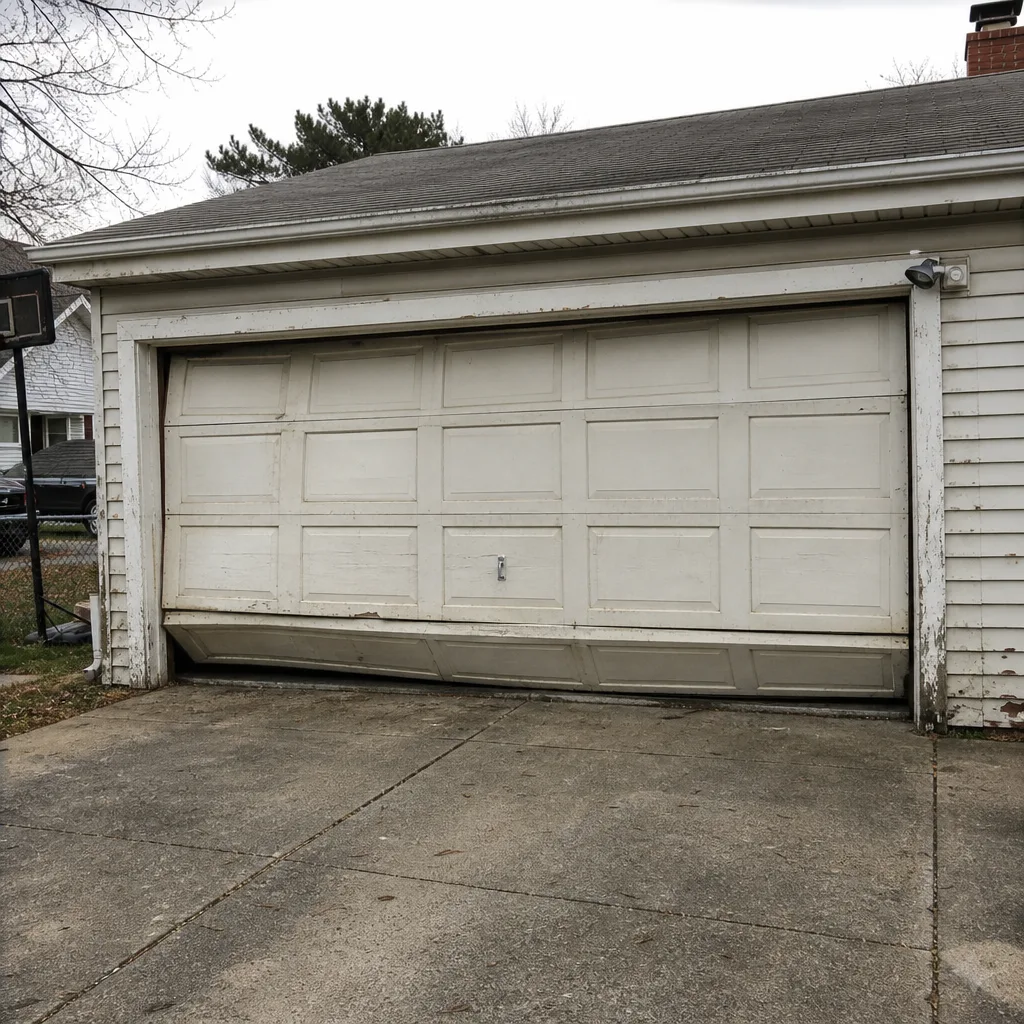 Before
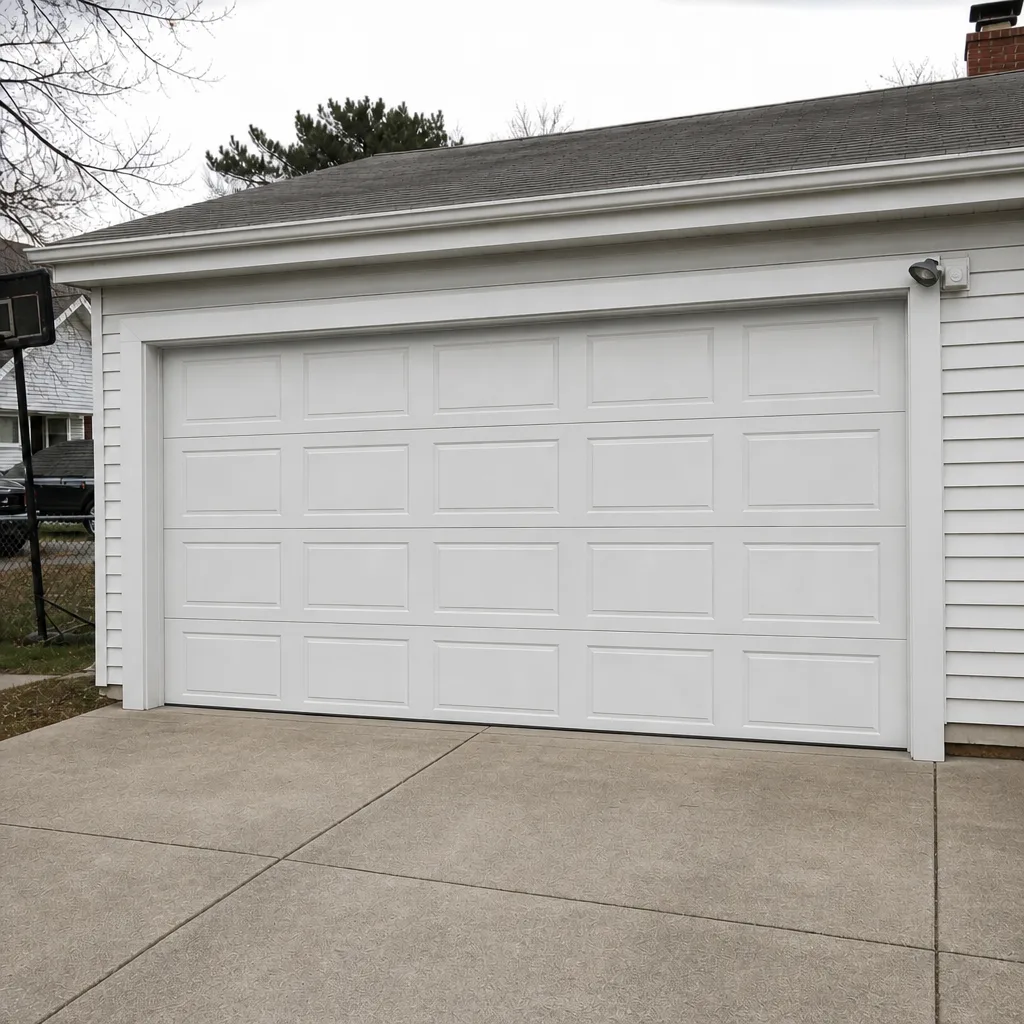 After
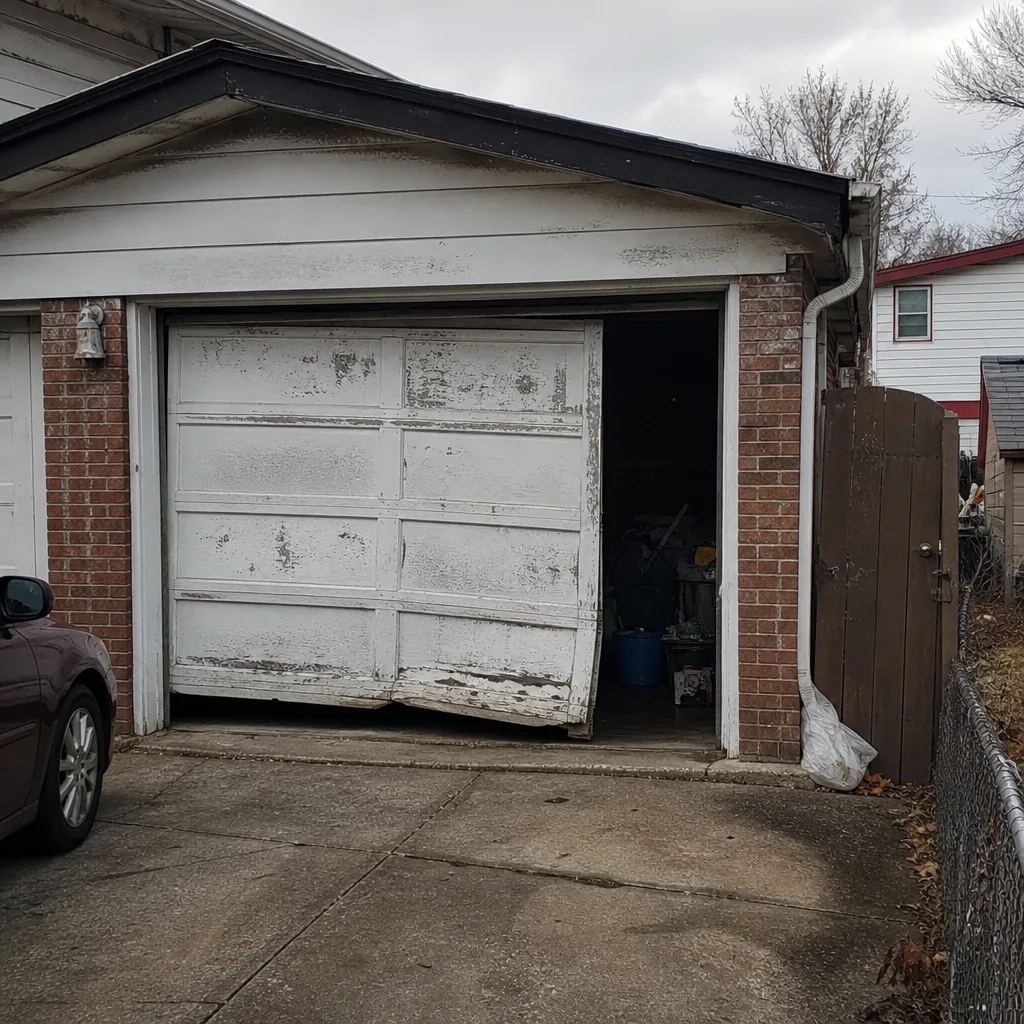 Before
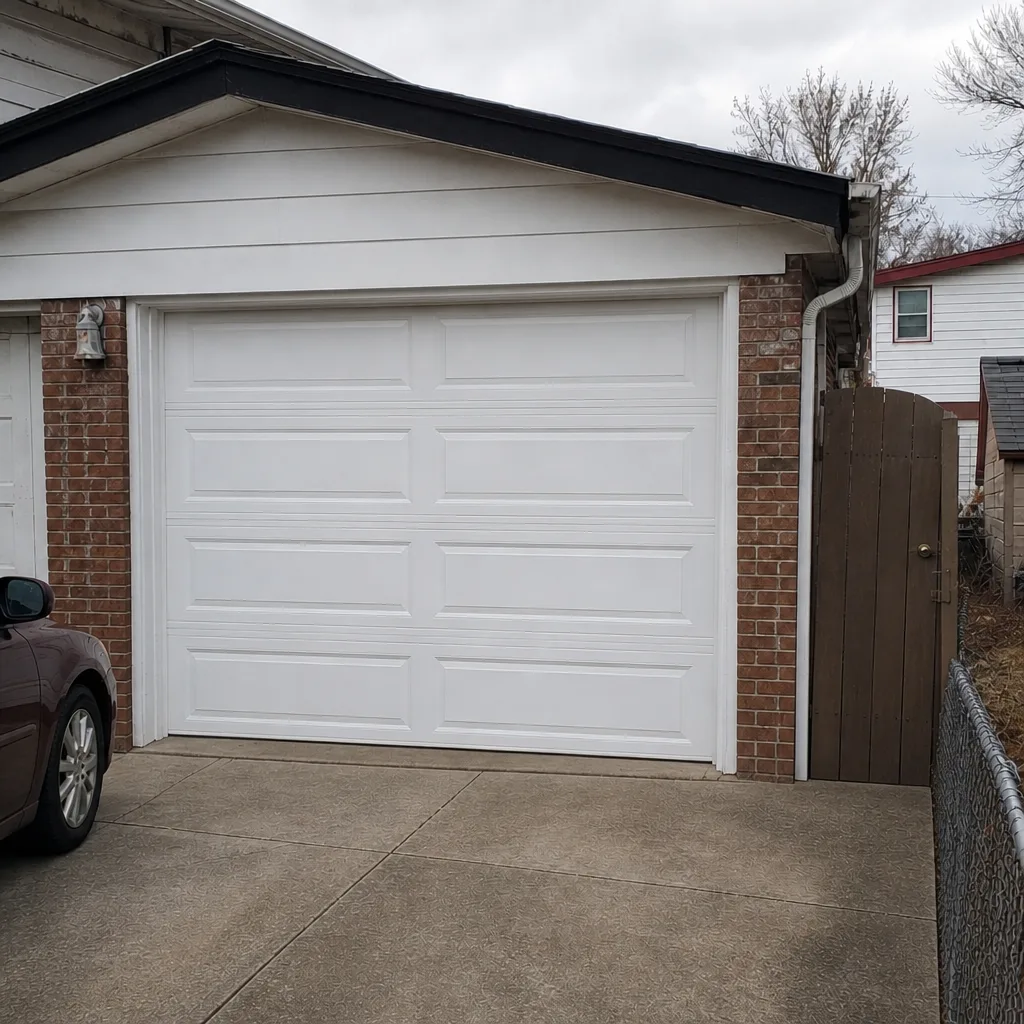 After
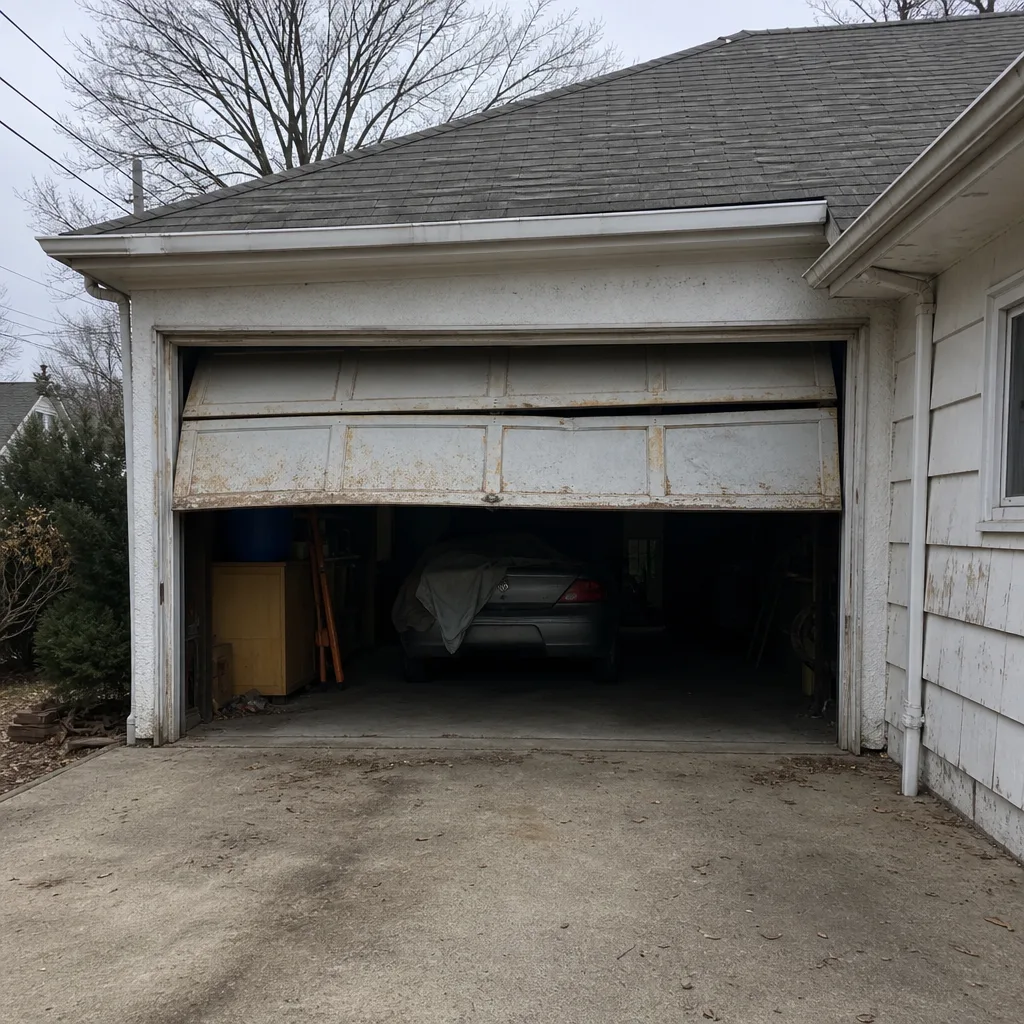 Before
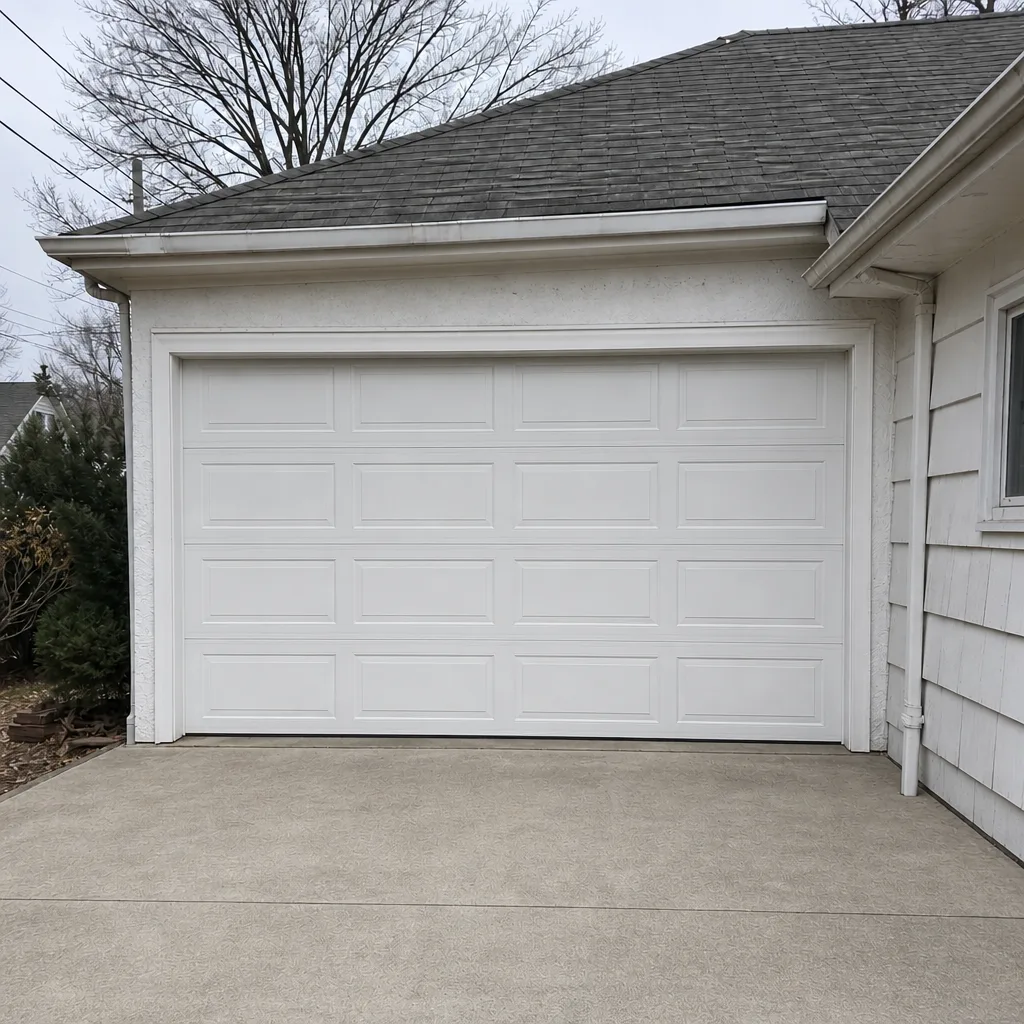 After
When to Call a Professional
Some failures are safe to diagnose yourself, and some are not. Call a professional if a spring is visibly broken, a cable is slack or off its drum, the door hangs crooked, or the door won’t lift by hand. Call if the door is stuck open and your home is exposed, or if it’s stuck closed and you can’t get your car out. Call if the opener hums and won’t move, reverses without an obstacle, or slams down. And call if you simply aren’t sure: a clear diagnosis over the phone is free and costs you nothing but a few minutes. Corona Garage Door Repair Pros offers free estimates in Corona and works on the brand already in your garage, from opener to panel. When it can’t wait, call (855) 658-4170. The price is quoted and agreed before any work starts, and the written estimate sets the final price.
Frequently Asked Questions
Keep people and pets clear of the door, don’t force anything, and look from a safe distance at the springs and cables. Work out whether the problem is the door or the opener, then call with the details. If the door is stuck open and your home is exposed, secure the opening from the inside first and treat it as a security issue. Call (855) 658-4170 for an exact quote on the repair. Estimates are free.
Costs depend on the failure type and the parts needed, and every job is quoted before work starts. A common spring repair is priced per spring, and a matched pair costs roughly twice a single spring because both are usually replaced together. Opener repairs depend on the brand and the part that failed. The written estimate sets the final price, so ask for it up front. Call (855) 658-4170 for an exact quote, and estimates are free.
Emergency garage door service is a core part of what we do, and doors that are stuck open, stuck closed, or can’t secure your home get priority. During our service hours of 7 AM to 7 PM, most of these calls are handled the same day. We’re closed on Saturdays, but if a door fails on a Saturday you can call and we’ll book you for Sunday. Call (855) 658-4170 and we’ll tell you honestly what we can do.
No. The price is quoted and agreed before any work starts, and the written estimate is what sets the final price. If a technician finds something beyond the original scope, you’ll be told and asked before any additional work proceeds. Call (855) 658-4170 for a free estimate, and get the price in writing.
The local professionals we connect you with are licensed and insured as their state requires. Our technicians have up to 10 years of experience, and they work on all the major brands, from LiftMaster and Chamberlain to Genie, Clopay, Amarr, Wayne Dalton, Craftsman, and Raynor. Call (855) 658-4170 for a free estimate.
Only if the springs are sound and the door is otherwise balanced. If the door is open because a spring or cable has failed, pulling the release removes the only thing holding the door and it can come down hard. Leave the release alone, keep clear, and call (855) 658-4170 for professional help. Estimates are free.
The Bottom Line
Emergency preparedness for a garage door comes down to the first 10 minutes. Know that springs and cables are dangerous and stay clear. Run the 60-second triage to tell a door problem from an opener problem before you call. Understand exactly when the manual release is safe and when it isn’t. Secure the opening if the door is stuck open, and have your brand details ready so the call is fast. Know who to call before the midnight panic sets in, and insist on a written estimate before any work starts. That combination is what turns a $200 repair into just that, rather than the start of a much bigger problem. At Corona Garage Door Repair Pros, we handle repair, spring repair, opener repair, and full installation across the brands already in Corona garages.
From opener to panel, one call covers it: (855) 658-4170 for a free estimate in Corona. Explore Corona Garage Door Repair Pros for the full range of services.
Written by the team at Corona Garage Door Repair Pros.