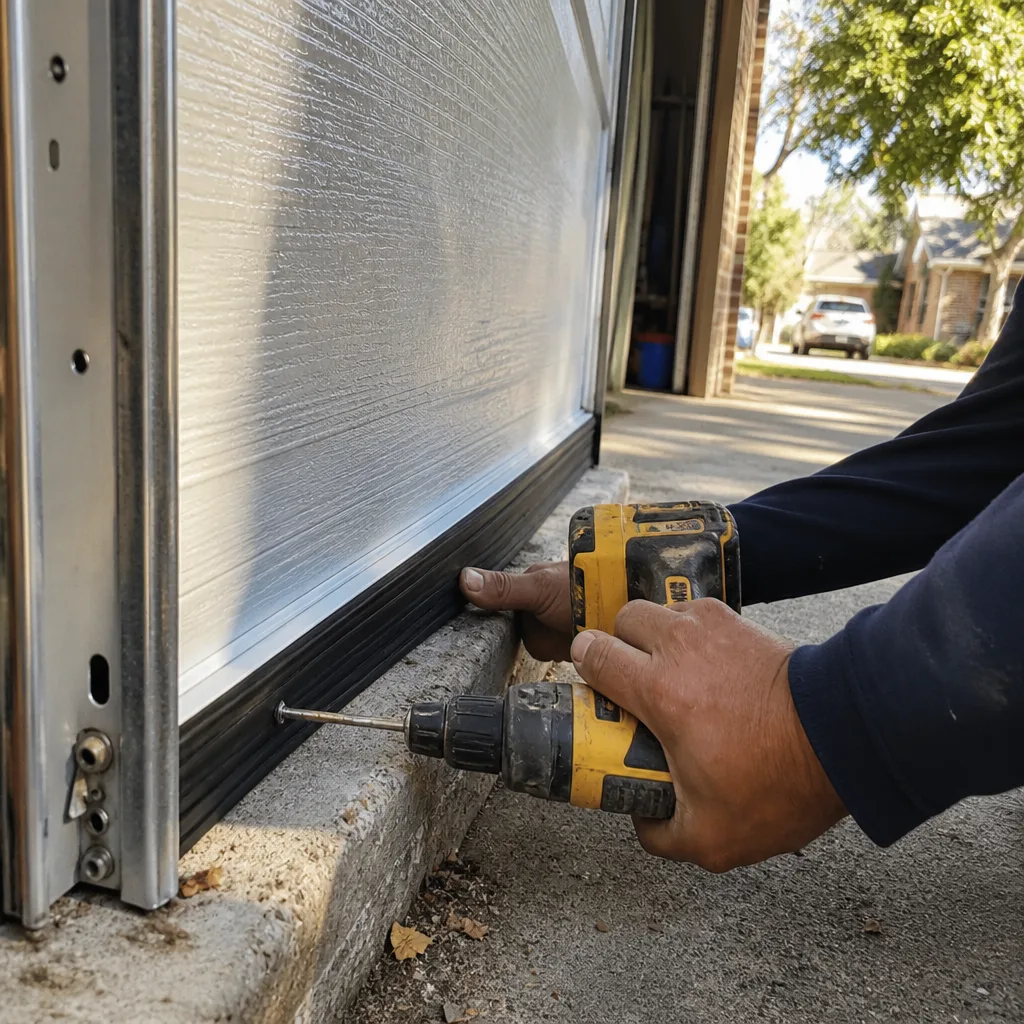
Last updated November 21, 2026
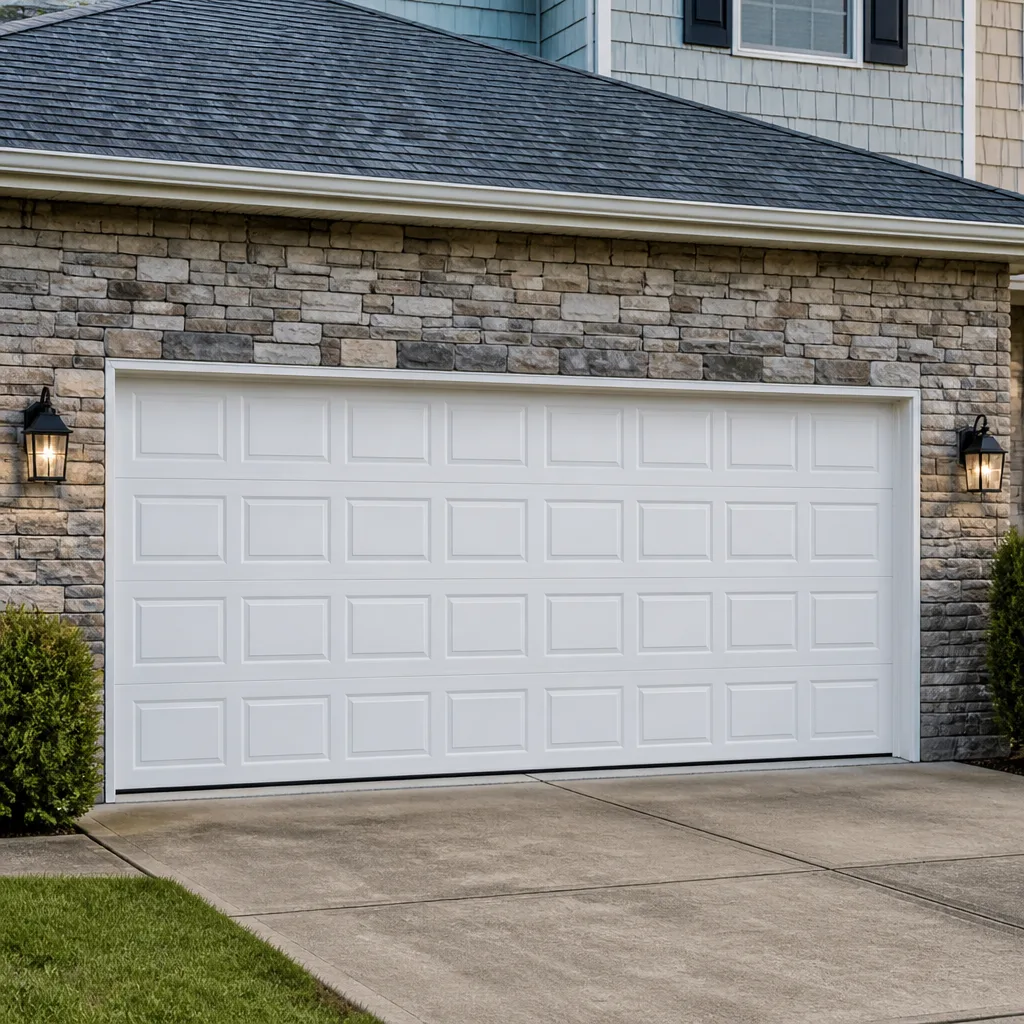 Raised-panel steel
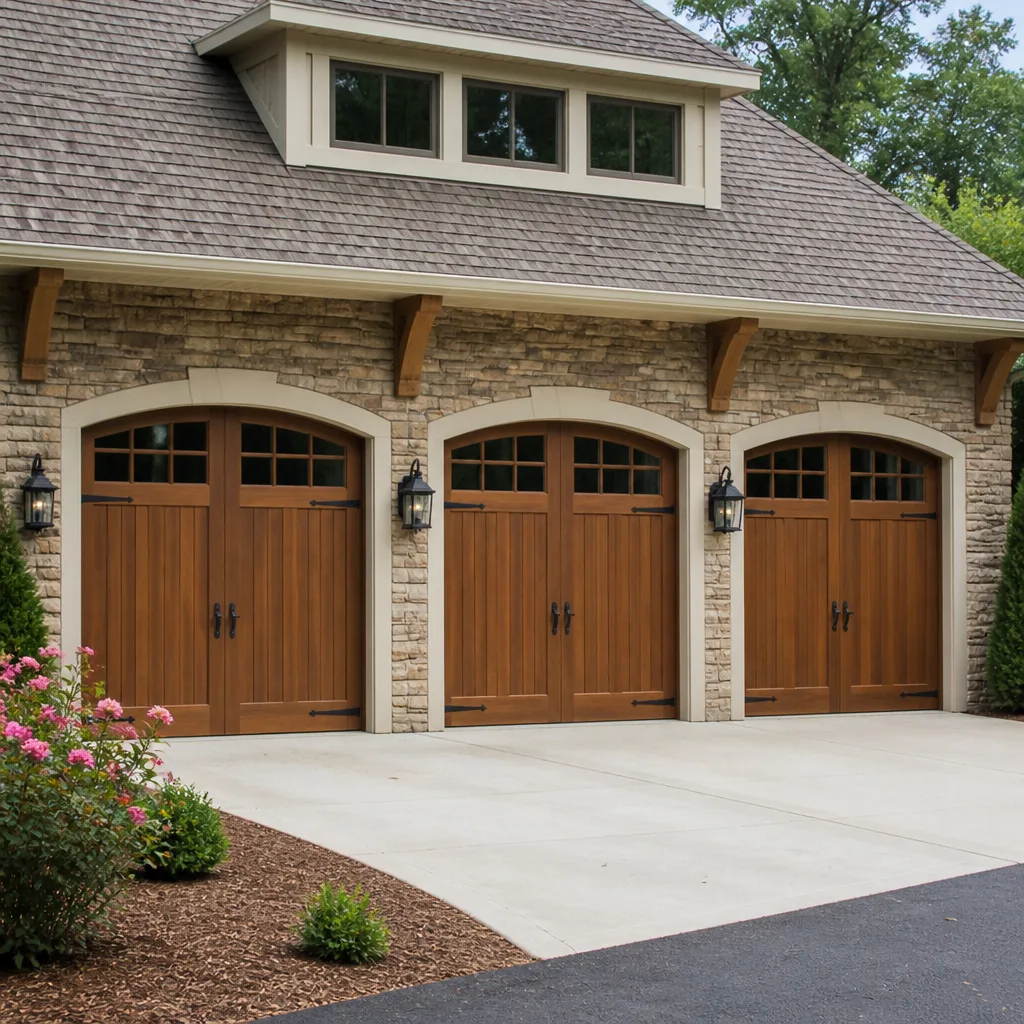 Carriage house
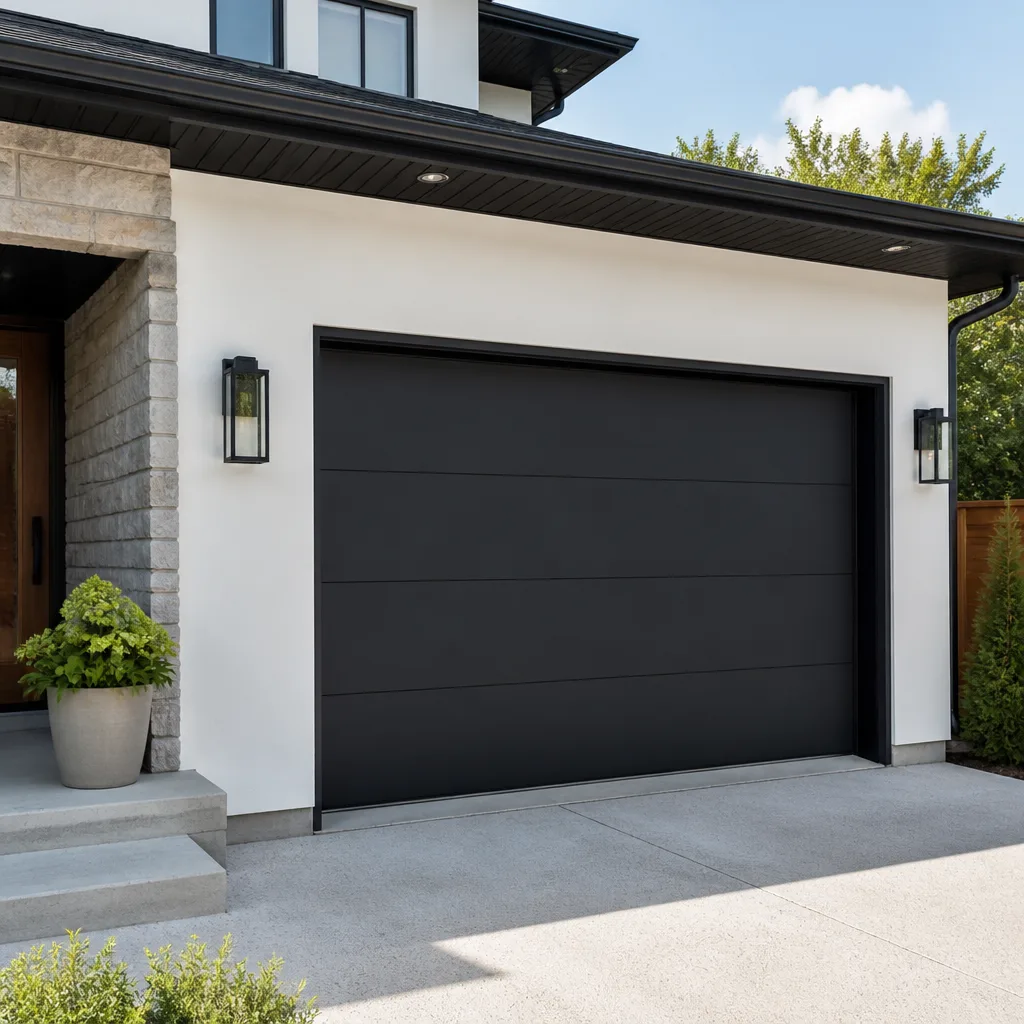 Modern flush
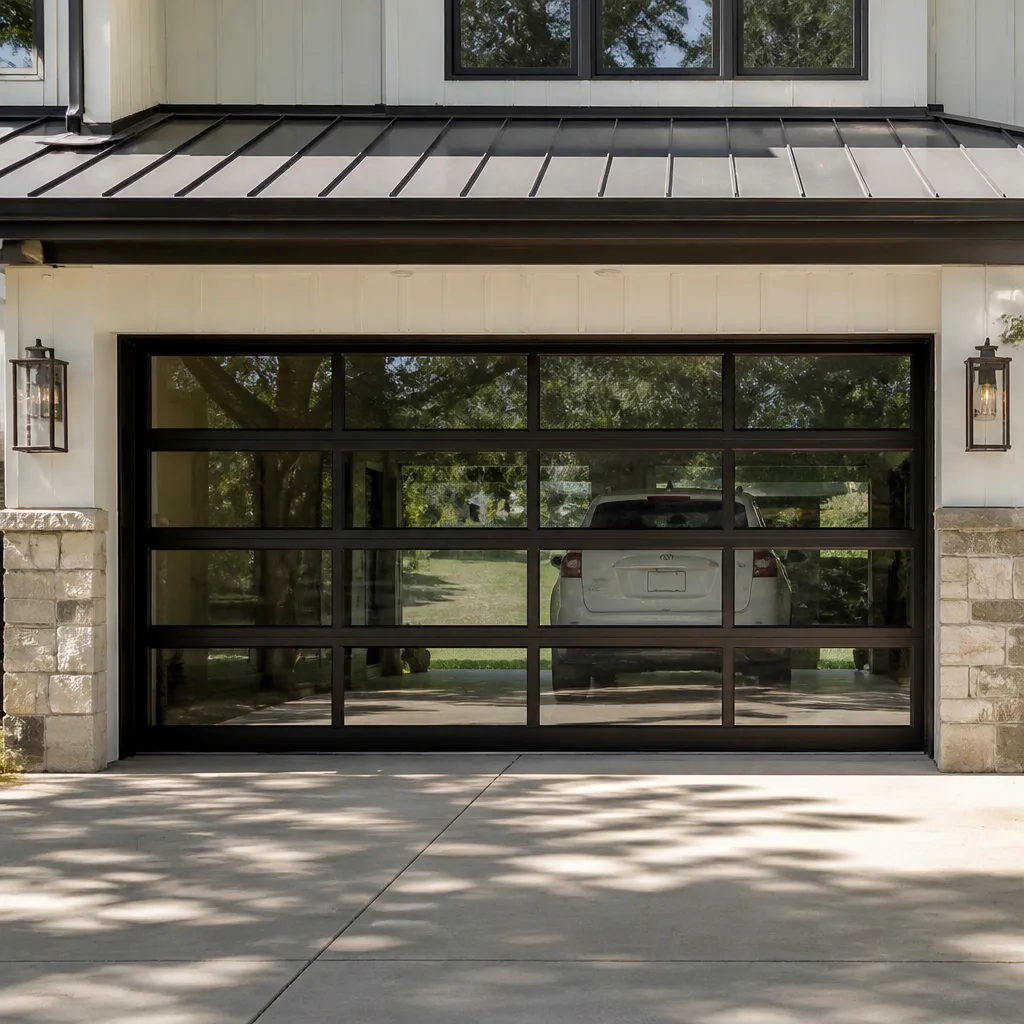 Full-view glass
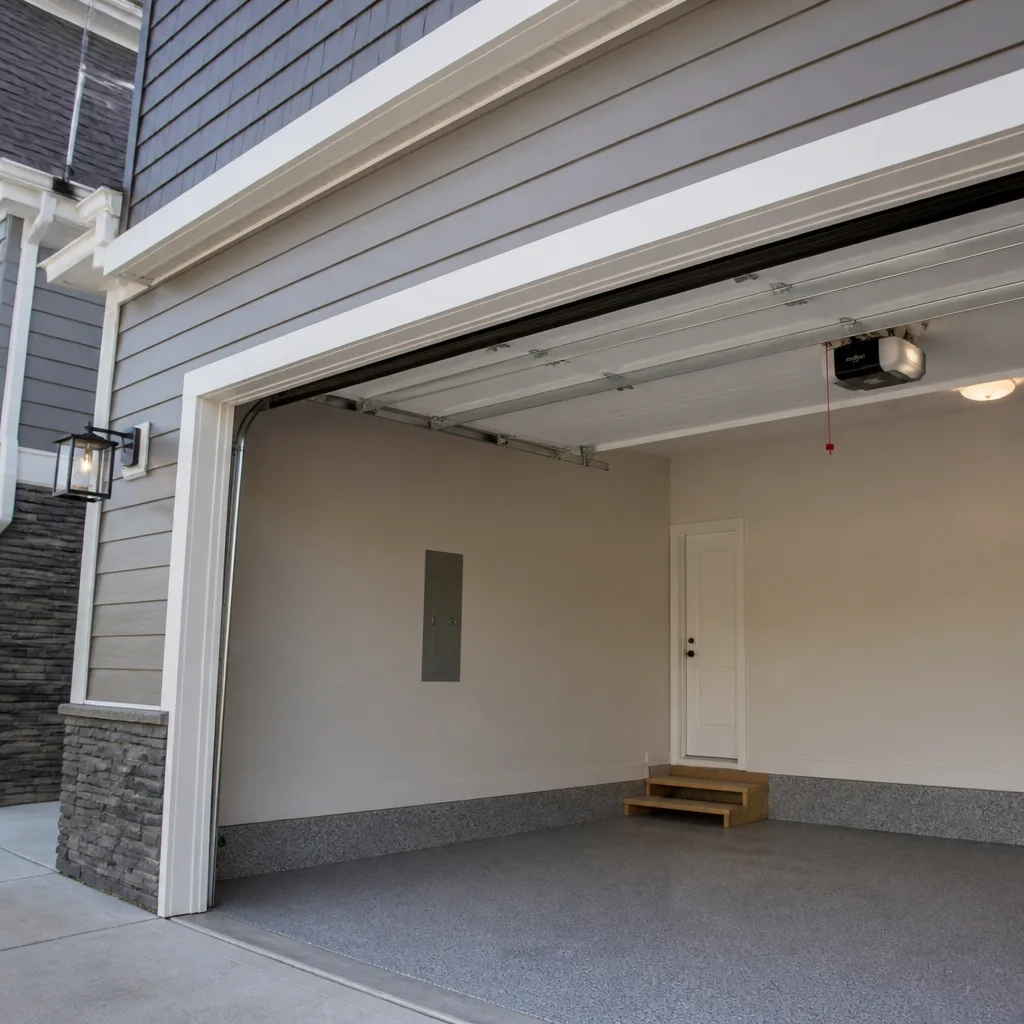 LiftMaster openers
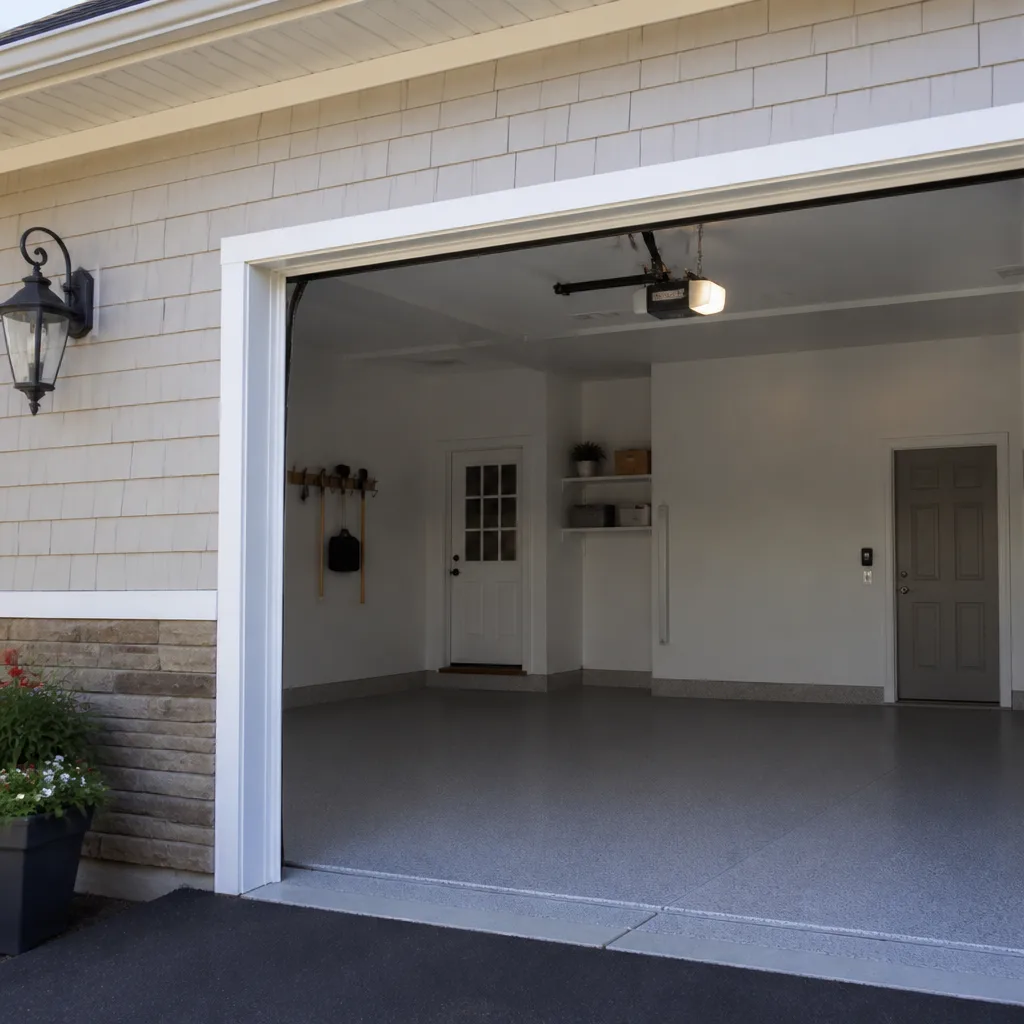 Chamberlain openers
Full 25-point door and opener safety check with every visit - springs, cables, rollers, tracks, and your LiftMaster or Chamberlain opener included
You get a price before we start. It does not change when the pro arrives.
Get your free estimateGarage Door Cost Breakdown: The Corona Homeowner’s Reference for 2026
Two quotes for the same torsion spring replacement in Corona can land $800 apart, and that gap usually isn’t fraud. It’s four cost variables most homeowners never think to ask about: parts grade, labor time, access difficulty, and disposal. National averages won’t help you here, because Queens labor, tight driveways, and city disposal rules push real numbers above the figures you’ll find in a generic cost calculator. This guide gives you actual 2026 price ranges for the ten most common garage door jobs in Corona, shows you the parts-versus-labor split so you can spot a padded invoice, and explains exactly which line items to demand in writing so any two quotes you collect are genuinely comparable.
Quick Answer
Most garage door repairs in Corona, NY in 2026 run between $150 and $650 depending on the part, with torsion spring replacement typically landing around $250 to $450 for a single spring and roughly double that for a matched pair. A full opener replacement generally falls between $450 and $900 installed, and a complete new door installation ranges widely based on door size, material, and whether the existing tracks and opener can be reused. The written estimate you receive before work begins is the price that governs the job.
Styles & brands we work with
- Raised-panel steel
- Carriage house
- Modern flush
- Full-view glass
- LiftMaster openers
- Chamberlain openers
Table of Contents
- Why Garage Door Work Costs More in Corona Than the National Average
- The 10 Most Common Repairs and What They Cost in Corona
- Parts vs. Labor: Where the Money Actually Goes
- Repair or Replace? The 60% Rule
- Opener Replacement Costs by Brand
- What a New Door Really Costs in Corona
- How to Get a Quote That’s Actually Comparable
- Disposal, Access, and the Costs Nobody Quotes Up Front
Why Garage Door Work Costs More in Corona Than the National Average
Garage door pricing in Corona runs higher than the national numbers you’ll see on cost-comparison sites, and there are concrete reasons for that. Labor is the biggest driver. Technicians working in Queens carry higher overhead than crews in most of the country, and that shows up in the hourly portion of every job. A spring swap that takes an hour in a suburban driveway might take ninety minutes here once you account for parking, narrow access, and the careful maneuvering a low-clearance or tight-side-yard setup demands.
Access is the second factor, and it’s one homeowners consistently underestimate. Many Corona properties have short driveways, shared alleys, or garages that sit close to a property line. When a technician can’t back a van up to the opening, the work takes longer and occasionally requires a second set of hands. That doesn’t mean the job costs dramatically more, but it’s a real variable a fair quote should account for rather than surprise you with later.
Disposal rounds out the picture. Old doors, bent tracks, and worn openers don’t just disappear. New York City has specific rules about how bulk items leave a property, and hauling a full door section or a heavy opener unit to an appropriate disposal point is a legitimate line item, not padding.
Here’s the short version of how Corona’s market compares:
- Labor rates: meaningfully higher than the national median for skilled trades, which lifts every job’s labor half.
- Access constraints: tight driveways and shared alleys add time, especially on multi-section door work.
- Disposal: hauling door sections, tracks, and opener units carries a real cost that has to be quoted honestly.
- Parts availability: standard springs and openers are easy to source, but specialty panel profiles for brands like Clopay or Amarr can add lead time and a small premium.
None of this means you should accept the highest quote. It means you should expect Corona numbers to sit above the generic online averages, and you should treat a quote that matches a national calculator exactly with some skepticism. If you want a straight answer on what your specific job involves, our Corona Garage Door Repair Pros team can walk you through it.
The 10 Most Common Repairs and What They Cost in Corona
These are typical 2026 ranges for the jobs we see most often in Corona. Every number is an estimate; the written quote you get before work starts is what sets your final price. A single spring range applies to one spring, and since springs are almost always replaced as a matched pair, expect a pair to cost roughly twice the single-spring figure.
1. Torsion spring replacement (single spring): $250 to $450. This is the high-stakes repair, and it’s the one where a cheap quote usually means a thinner spring or a rushed install. See our dedicated garage door repair page for how we approach spring work.
2. Torsion spring replacement (matched pair): $450 to $850. Paired springs share the load, so replacing one alone usually just shifts stress onto the other. A professional will explain why replacing both is the cost-smarter move in most cases.
3. Extension spring replacement (per spring): $150 to $280. Less common on newer doors but still found on plenty of older Corona homes. Extension springs stretch, torsion springs twist, and the two are not interchangeable.
4. Cable replacement (per side): $180 to $350. Cables are under constant tension and should never be handled by a homeowner. This is one of the repairs where a trained technician is genuinely non-negotiable.
5. Roller replacement (full set): $120 to $250. Worn nylon or steel rollers are a common source of noise and jerky travel. Replacing all of them at once is usually cheaper per roller than replacing them piecemeal.
6. Track straightening or replacement (per section): $150 to $400. A door that jumped the track needs this before it operates again safely. Bent tracks that have caused a door to misalign often need replacement rather than straightening.
7. Panel replacement (single section): $200 to $600. Panel cost depends heavily on the manufacturer’s current profile. For brands like Clopay and Amarr, replacement panels are usually available, but a discontinued style from any brand may push you toward a full door.
8. Bottom seal / weather seal replacement: $100 to $200. A worn seal lets in drafts and water and is one of the cheaper fixes that improves how the whole door sits.
9. Opener repair (logic board, gears, or safety sensors): $150 to $400 depending on the failed component. Repair makes sense when the opener itself is sound and one part has failed.
10. Full opener replacement: $450 to $900 installed, with brand and features shaping the number.
If your question is specifically about the motor end of the system, our garage door opener repair page covers the diagnosis process in more detail.
Parts vs. Labor: Where the Money Actually Goes
Understanding the parts-and-labor split is the single best defense against an inflated invoice. In most garage door repairs, labor is roughly 40% to 60% of the total. A spring job where the parts line runs $120 and the total comes to $600 tells you something is off, because a standard spring set doesn’t cost four figures in parts and the labor doesn’t justify the gap.
Here’s a rough sense of how the split breaks down across common jobs:
- Spring replacement: parts are modest, labor dominates. The spring itself is inexpensive; the tension, safety, and skill are what you pay for.
- Opener replacement: parts and labor are closer to even, because the opener unit is a significant hardware purchase and installation adds real time.
- Panel replacement: parts often exceed labor on a single section, especially on a branded door where the panel has to match a specific profile.
- Rollers and seals: the parts are cheap and the labor is quick, so these stay at the low end of the range.
The pattern is consistent: when a repair is mostly labor, a huge price gap between two quotes usually means one technician is charging for time they don’t need or for work that isn’t required. When a repair is mostly parts, a price gap more often points to a cheaper-grade component or a non-matching replacement.
We tell Corona homeowners to ask one simple question on any quote: “Is this parts and labor broken out separately?” A contractor who can show you the split is a contractor who expects to be checked. One who bundles it into a single line with no detail is telling you less than you need to know.
Repair or Replace? The 60% Rule
There’s a practical threshold that keeps a lot of Corona homeowners from overspending and from throwing good money after a failing door. If the repair cost comes in at roughly 60% or more of what a comparable new installation would run, replacement usually makes better financial sense, especially on a door that’s already had multiple repairs in recent memory.
Here’s how to work through the decision:
- Get the repair number first. Ask for a written estimate on the specific fix before you consider replacement at all.
- Understand what condition the rest of the system is in. A single spring fix on a sound door is an easy call. A spring plus a bent track plus a failing opener on a 25-year-old door starts to look like a different conversation.
- Ask for a same-visit comparison. A good technician will quote both the repair and a new installation so you can weigh them side by side. If a company won’t price both, ask why.
- Factor in the wider cost. Replacement means new panels, new tracks, often a new opener, and hauling away the old door. That’s a bigger number, but it’s a bigger number on a door that should last far longer between repairs.
The 60% rule isn’t absolute. A beloved Amarr or Clopay door in otherwise good shape might be worth repairing even at that threshold if it’s a style you can’t easily replace. But if you’re being pushed toward replacement on a repair that clearly costs far less than 60% of a new door, that’s a red flag. And if you’re being pushed toward repair on a door that’s near that threshold, ask for the replacement number too and compare honestly.
For a full picture of what new options look like in Corona, our garage door installation page lays out material and style choices, and we’re happy to give you a free measure and a written price on a new door so you have both numbers to weigh.
Opener Replacement Costs by Brand
Opener costs in Corona in 2026 typically fall between $450 and $900 installed. The spread comes down to the unit itself, the drive type (belt, chain, or screw), whether the existing wiring and mounting rails can be reused, and how much of the job is labor. A straight swap on an accessible ceiling with existing wiring sits at the low end. A more complex install on a low-clearance or restricted-space garage sits at the high end.
Brand familiarity matters more than people expect. Our technicians have up to 10 years of experience working across the major opener lines, and we work on the brand already in your garage rather than steering you toward whatever a shop happens to stock. That means if your existing unit is a Chamberlain or a Genie, we can often service or repair it rather than replace it, which is the cheaper outcome when the motor and rails are still sound. For the full range of what’s available and what fits your door, our garage door opener repair team can diagnose and quote both repair and replacement.
A few things that drive the number up:
- Belt vs. chain: belt drives run quieter and usually cost more up front than a comparable chain drive.
- Smart features and battery backup: units with app control or backup power sit at the higher end of the range.
- Access and clearance: a garage with a low ceiling or restricted mounting space takes longer to install, and that labor is real.
- Wiring: if the existing low-voltage wiring is damaged or absent, running new wiring adds to the job.
Repair is often the smarter call. If only the safety sensors or the logic board has failed and the motor is healthy, the repair will come in well under the replacement range. Ask for that split before you decide.
What a New Door Really Costs in Corona
New garage door pricing in Corona varies more than any single repair on this page, because it’s driven by door size, material, insulation, window options, and whether the existing opener and tracks qualify for reuse. A basic single-car steel door and a fully insulated double-car door with windows are different products with different price tags, and nobody should give you a firm number without measuring your opening first. That’s why on installation work we don’t promise a same-day price; we schedule a free measure, then put the number in writing.
The materials that move the price most:
- Steel: the most common choice for Corona homes. The insulation level, panel profile, and gauge all shift the price within steel.
- Aluminum with glass: a premium look, and a premium price, especially on larger openings.
- Wood or wood-look: the most expensive material and the most maintenance.
- Insulation and hardware: upgraded insulation, windows, and decorative hardware each add to the total.
Access and disposal, the two factors that shape repairs, matter even more on a full replacement. Door sections arrive on a truck, the old door has to come down and leave the property, and the whole job has to fit around your driveway’s constraints. That’s part of why a new door quote that ignores access is a quote that will change later. Our garage door installation process starts with an on-site measure precisely so the written price reflects your actual opening and access, not a national average.
How to Get a Quote That’s Actually Comparable
The reason two quotes for the same job can differ by hundreds of dollars is almost always that they aren’t quoting the same job. One contractor is quoting a premium spring and a full inspection; the other is quoting the cheapest spring available and a quick swap. To compare honestly, insist on these specific line items in writing before you choose:
- Part brand and model or grade. “A spring” isn’t a specification. The brand, size, and cycle rating of the parts should be named on the quote.
- Number of parts included. One spring vs. a matched pair changes the price materially. Make sure both quotes say which.
- Parts and labor broken out separately. A single bundled line makes it impossible to tell whether you’re paying for time or for hardware.
- Disposal and haul-away fee, itemized. If old parts or a whole door are being removed, the fee should appear as its own line.
- Post-repair adjustments and testing included. Balance, travel, and safety-sensor testing should be listed, not assumed.
- Written start and completion expectations. On repairs, a same-day window should be stated. On installations, the measure-and-schedule sequence should be clear.
- The final price in writing, before work begins. The price you’re quoted is the price the job should cost, and the estimate on paper is what makes that enforceable.
Get at least two written quotes with those items and you’ll find the comparison gets a lot simpler. Call (855) 658-4170 for a free estimate that includes all of them.
Disposal, Access, and the Costs Nobody Quotes Up Front
The most common surprise on a garage door invoice in Corona isn’t a hidden charge for labor; it’s the cost the original quote didn’t mention. Disposal is the clearest example. A torn-out door section, a set of bent tracks, or an old opener unit has to leave your property legally, and that hauling has a cost. When it’s on the quote, you can budget for it. When it’s not, you get an unpleasant call the day of the work.
Access is the other one. A quote built on the assumption of easy driveway access can change once the technician sees your actual setup. Shared alleys, tight approaches, and low-clearance garages all take extra time, and honesty about that at the quote stage is a sign the company has worked these jobs before. Neither disposal nor access is a reason to reject a quote. Both are reasons to make sure they’re on the line-item list before you say yes.
A few more items to watch for:
- Emergency premiums. Emergency service is a legitimate core offering, and it’s honest to note when a job is urgent. That shouldn’t become an excuse for a markup that isn’t disclosed up front.
- Mismatched parts. A quote that swaps in a lower-grade spring to hit a lower number is a quote that will fail earlier. Ask what brand and grade are included.
- Skipped inspection. A quote that doesn’t include checking the balance, cables, and safety sensors on the rest of the system is a quote that will miss the problem that actually matters.
We’d rather give you the full number up front and lose the job than hand you a lower number that grows once the work starts. Every quote we provide states the complete price, including disposal and access, before anything gets touched.
Common Mistakes to Avoid
- Comparing totals instead of line items. Two quotes that differ by hundreds are usually quoting different jobs. Insist on the parts brand, the quantity included, and the parts-and-labor split on both, or the comparison tells you nothing.
- Accepting a single-spring quote on a paired-spring door. Springs share load, and replacing one alone usually just shifts stress onto the other. If only one spring is quoted, ask why both aren’t being replaced.
- Ignoring disposal and access in the total. A quote that’s lowest on paper can become the most expensive once these are added. Ask for them on the line-item list.
- Assuming a cheap opener repair is a good opener repair. A logic-board fix that doesn’t address a failing motor is money spent twice. Ask what else was checked before you pay.
- Deciding on repair or replacement without both numbers. You can’t judge the 60% rule if you only have one of the two quotes in hand. Ask for both.
- Choosing a general handyman for a spring or cable job. Springs and cables are under extreme tension and cause serious injury when handled by someone untrained. This is a job for a garage door specialist.
- Treating an emergency markup as normal. Urgent service is a real offering, but a fair emergency quote is still a written quote with the price agreed before the work starts.
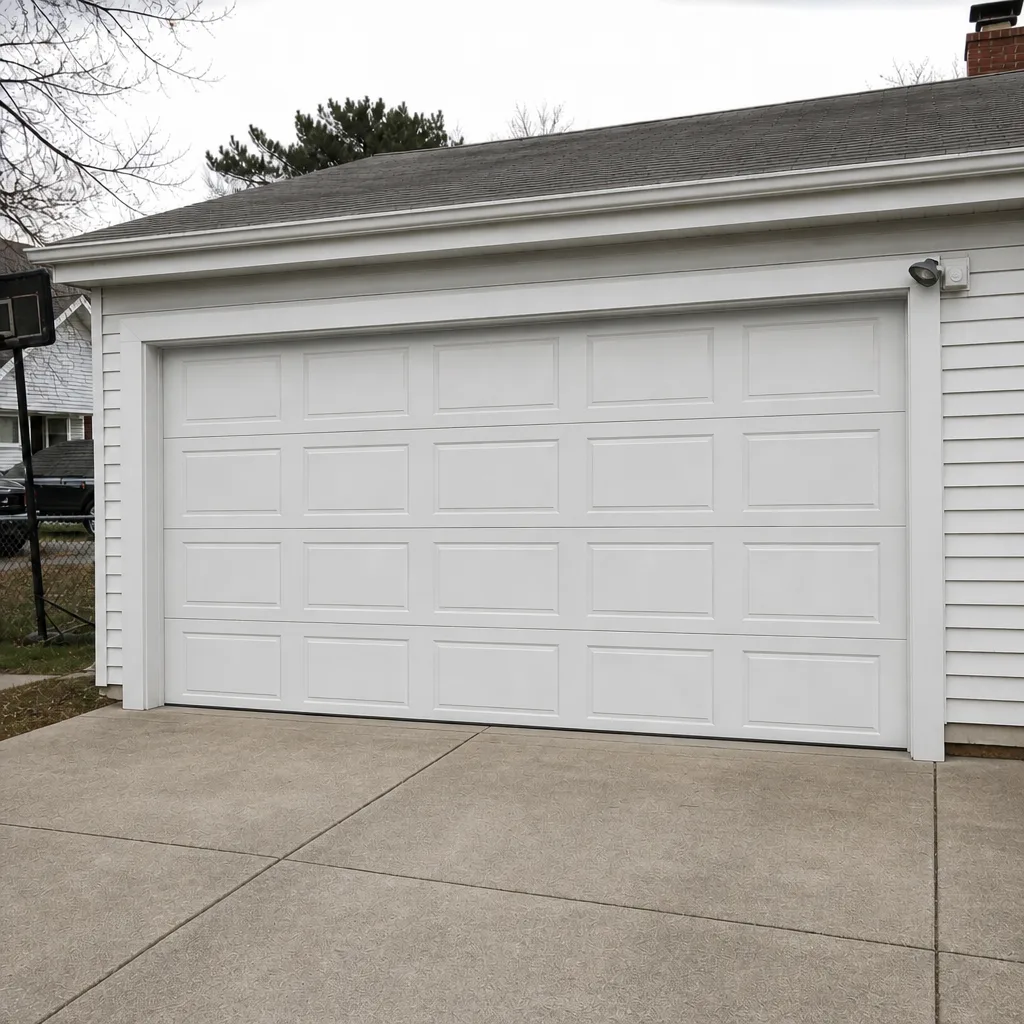
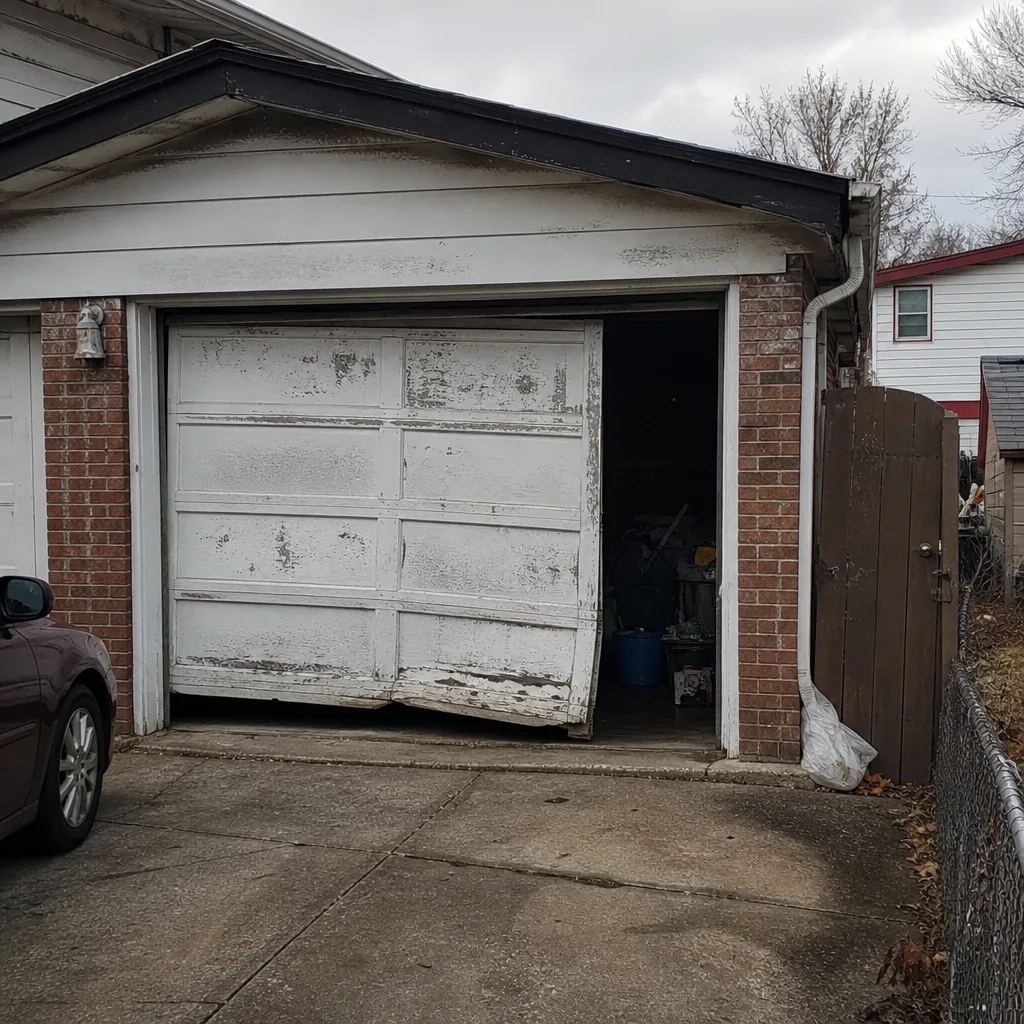
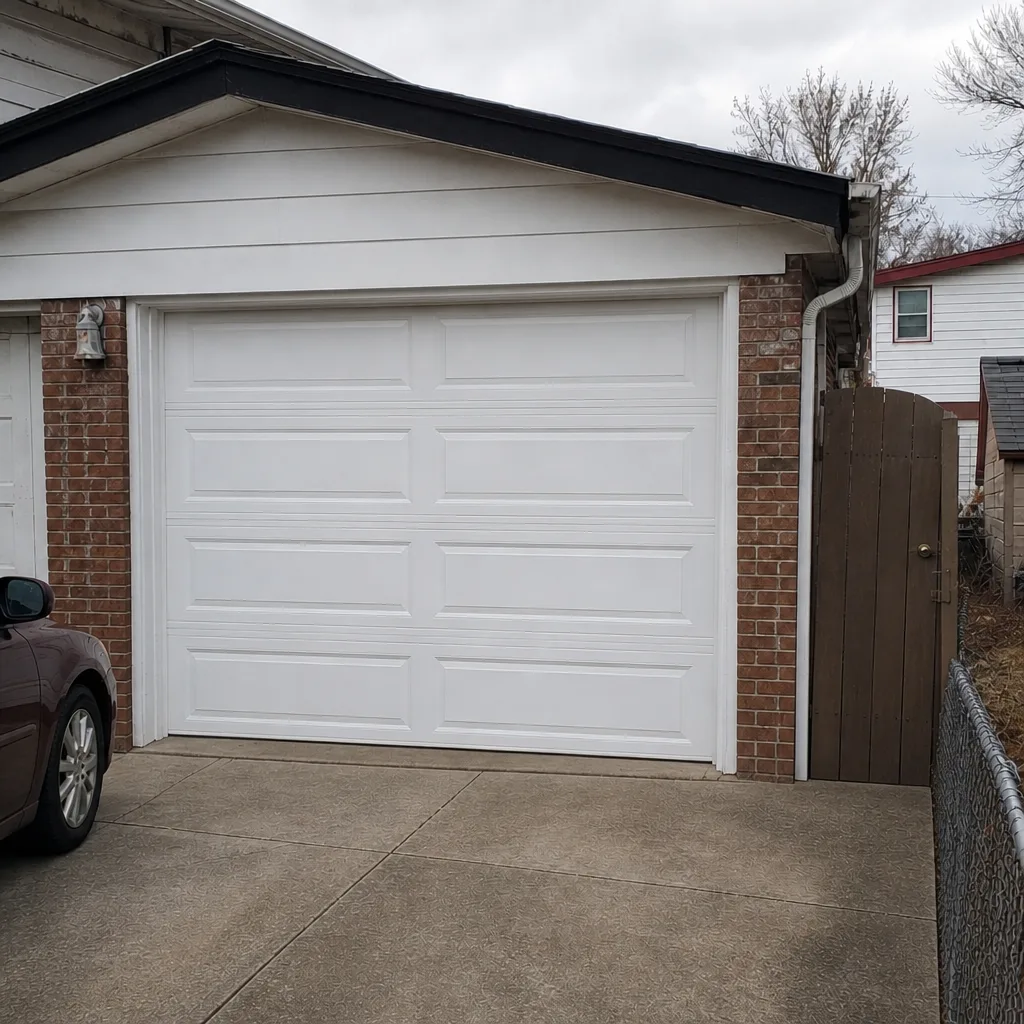
See the difference
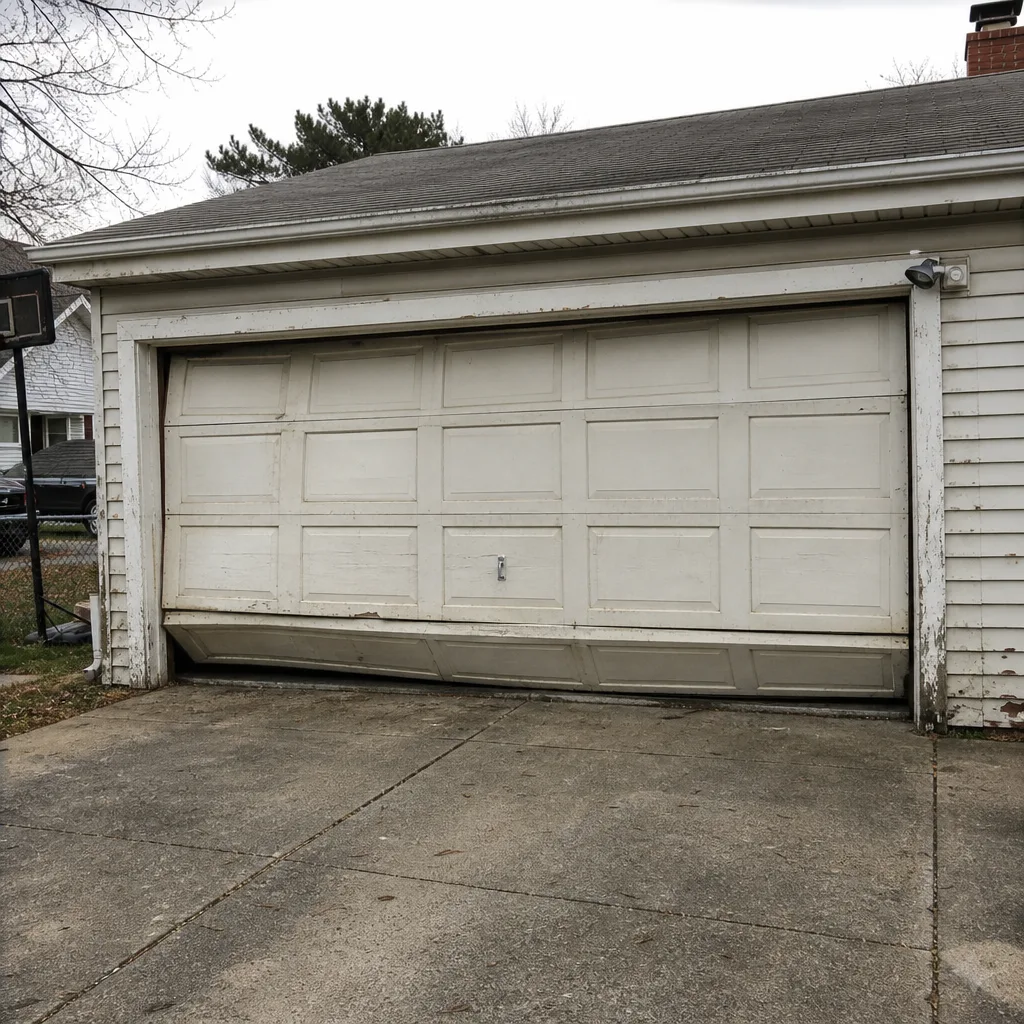 Before
 After
 Before
 After
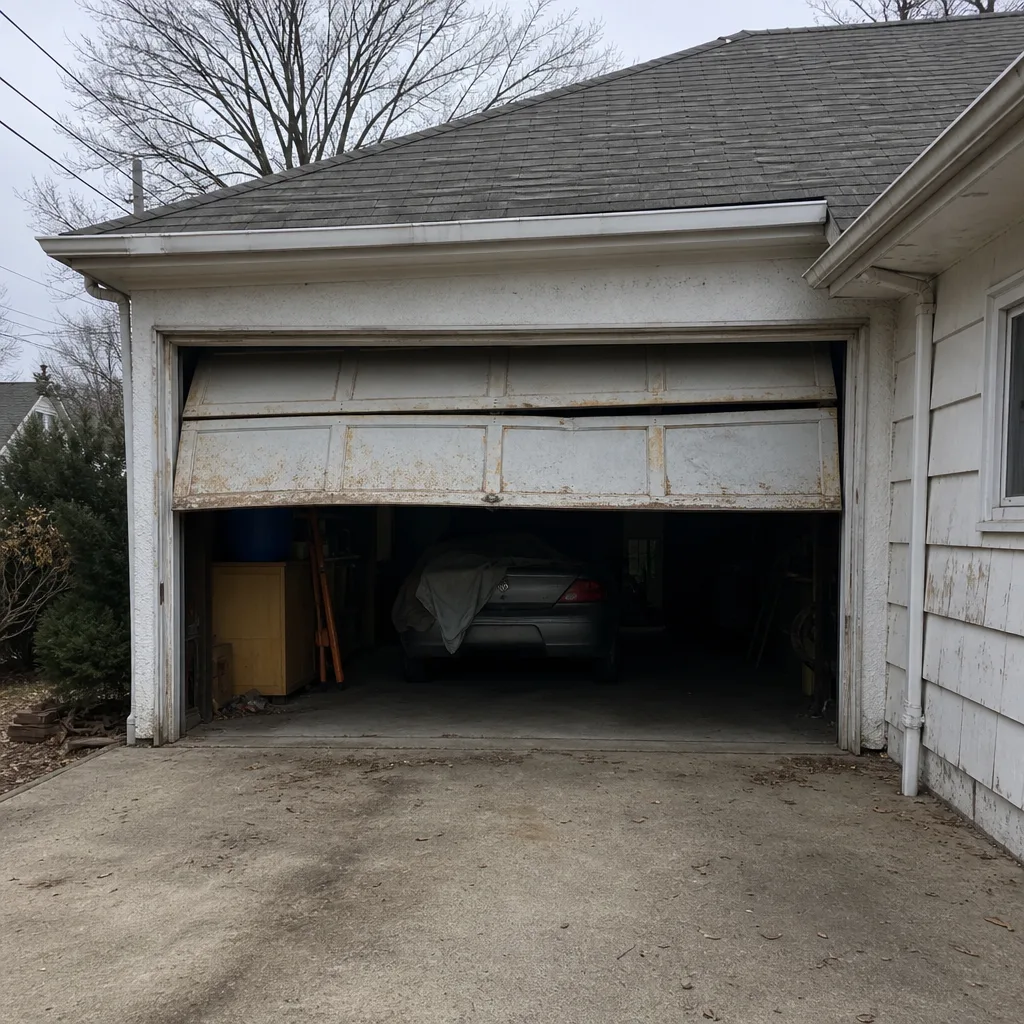 Before
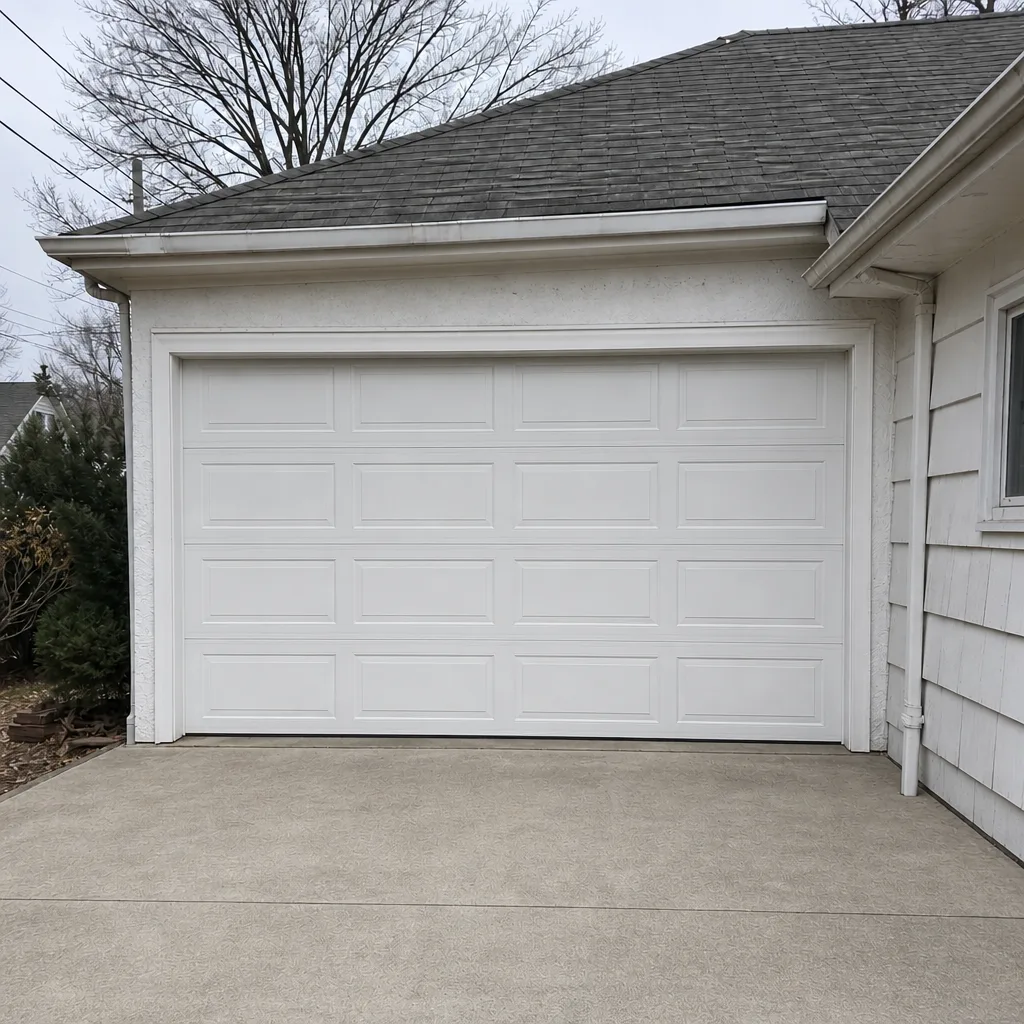 After
When to Call a Professional
Some garage door problems are safe to observe and unsafe to fix yourself. A snapped torsion spring or a snapped cable is the clearest case: the energy stored in a wound spring can cause serious injury the moment it’s touched, and no homeowner should attempt that repair. A door that’s come off its track, a door that won’t close securely, and an opener that’s stopped responding are all worth a call rather than a guess. Even a door that’s just noisy or slow can be a symptom of a failing component that’s cheaper to fix now than after it fails completely.
Corona Garage Door Repair Pros offers free estimates in Corona, and we work on the brand already in your garage, whether that’s a Chamberlain opener or a Clopay door. Call (855) 658-4170 to schedule an estimate or an emergency visit.
Frequently Asked Questions
Torsion spring replacement in Corona typically runs $250 to $450 for a single spring and roughly $450 to $850 for a matched pair, since a pair is usually replaced together and costs about twice the single-spring figure. Extension springs run $150 to $280 each. Call (855) 658-4170 for an exact quote; estimates are free.
Queens labor rates, tight driveways and shared-alley access, and real disposal costs all push Corona numbers above the national figures you’ll find on cost-comparison sites. A quote that matches a national average exactly is worth questioning. Call (855) 658-4170 to compare a local number against a generic one.
If the repair comes in at roughly 60% or more of what a comparable new door would cost, replacement usually makes better financial sense. Below that threshold, repair generally wins. Ask for a written quote on both so you can weigh them side by side. Call (855) 658-4170 for a free estimate on either option.
Opener replacement in Corona typically lands between $450 and $900 installed, depending on the unit, the drive type, and whether the existing wiring and rails can be reused. Repair is often cheaper when only one component has failed, so ask for both. Call (855) 658-4170 for a free estimate.
No. The price we quote before any work starts is the price that governs the job, and it’s in writing. Disposal and access should already be on that quote, not added after the fact. Call (855) 658-4170 to get your number in writing.
The local pros we connect you with are licensed and insured as their state requires, and they handle the core garage door work themselves rather than subcontracting it out. Our technicians have up to 10 years of experience across the major door and opener brands. Call (855) 658-4170 to get started.
The Bottom Line
Garage door costs in Corona in 2026 run higher than the national averages you’ll find online, and the reasons are concrete: Queens labor, constrained access, and real disposal costs. Spring replacement lands around $250 to $450 for a single spring and roughly double for a pair, opener replacement runs $450 to $900 installed, and new doors vary widely based on material, size, and access. The reliable way to protect yourself is to insist on written, line-item quotes that break out parts and labor, disclose disposal and access, and state the final price before work begins. The 60% rule tells you when repair stops making financial sense, and a single specialist who works on the brand already in your garage keeps the whole job in one set of hands.
Corona Garage Door Repair Pros can give you a free estimate across the full range of repairs, opener work, and new installation in Corona. We answer emergency calls when a door is a security or access crisis, and we quote repair and replacement side by side so you can choose with both numbers in front of you. Call (855) 658-4170 for your free estimate.
Written by the team at Corona Garage Door Repair Pros.