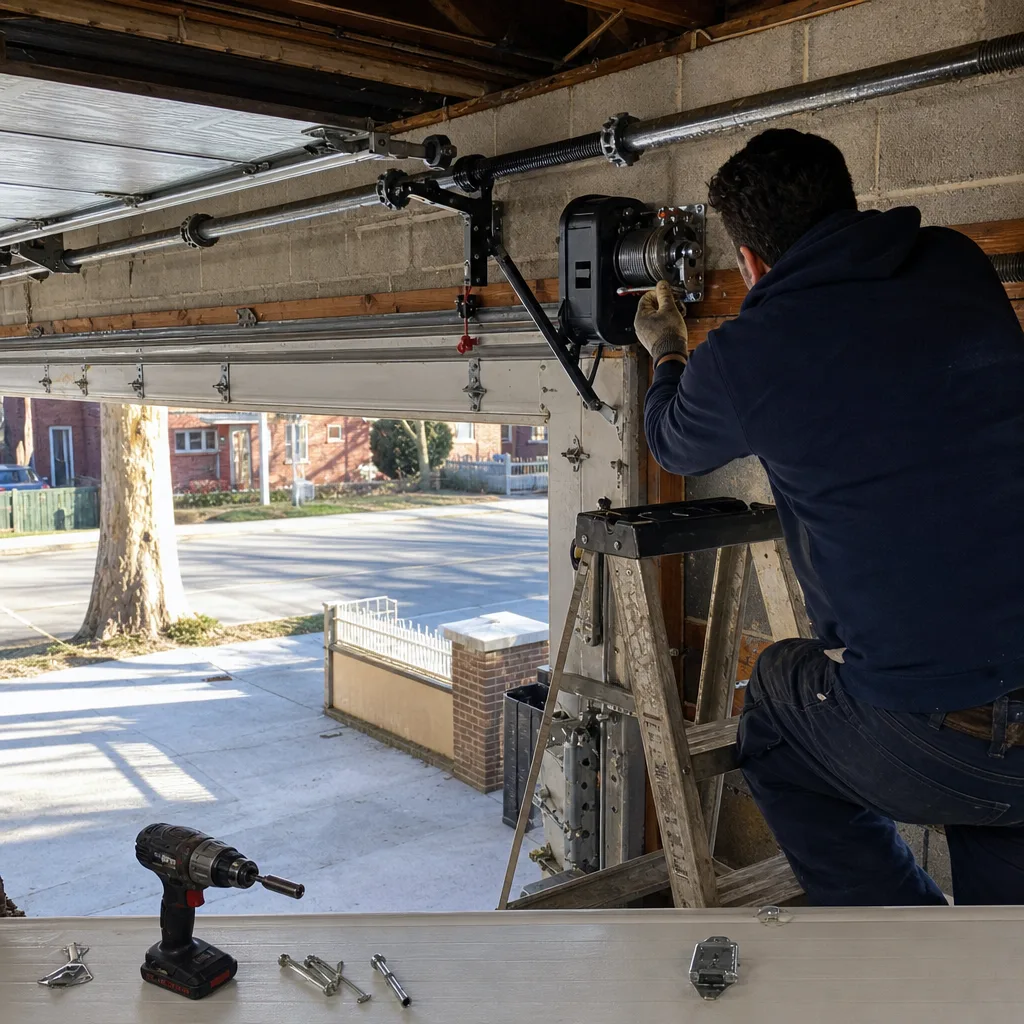
Last updated November 21, 2026
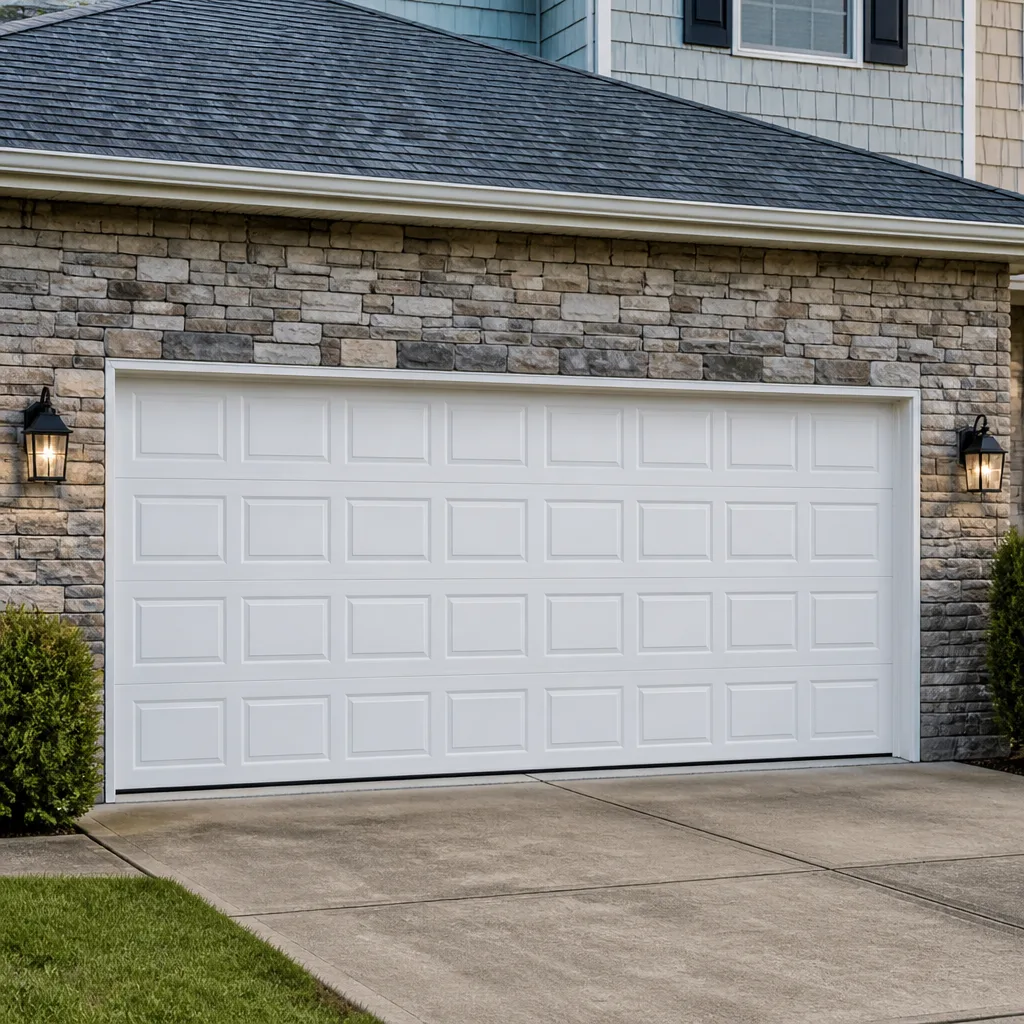 Raised-panel steel
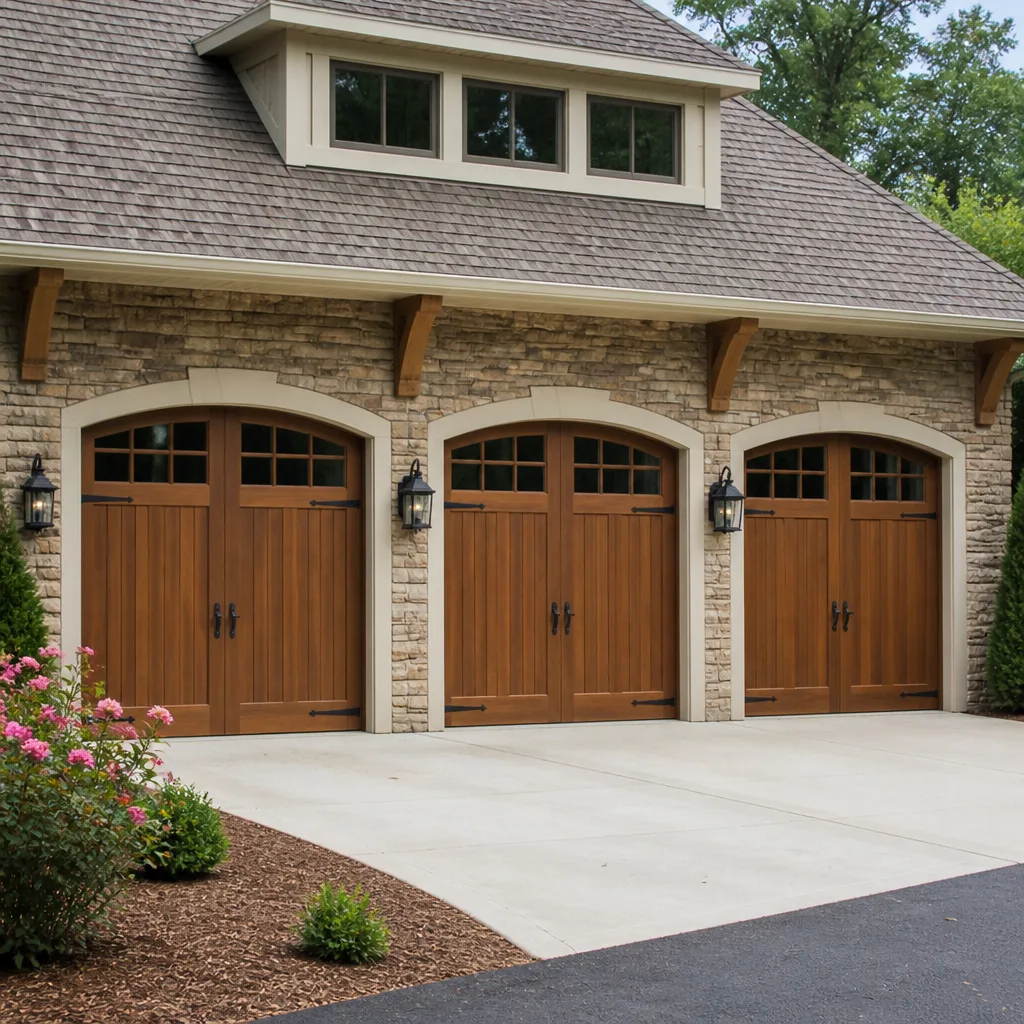 Carriage house
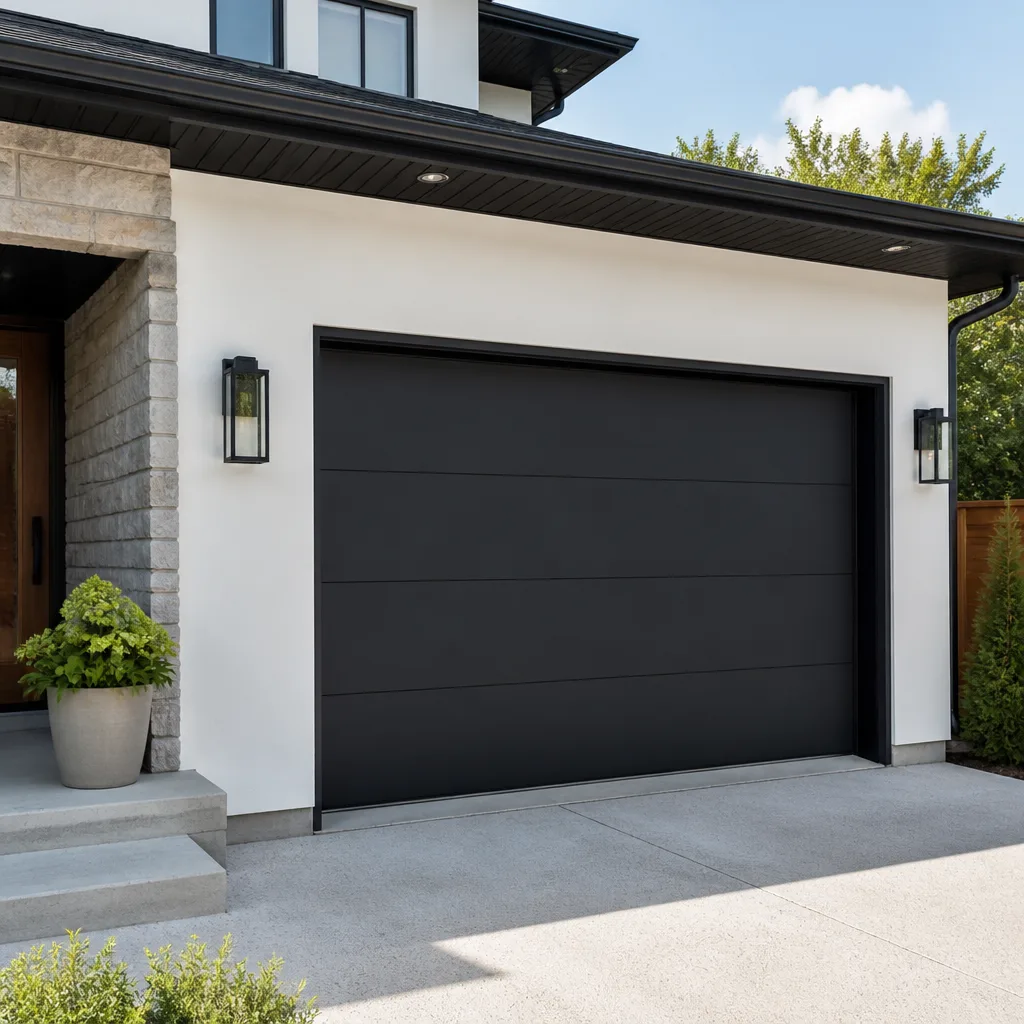 Modern flush
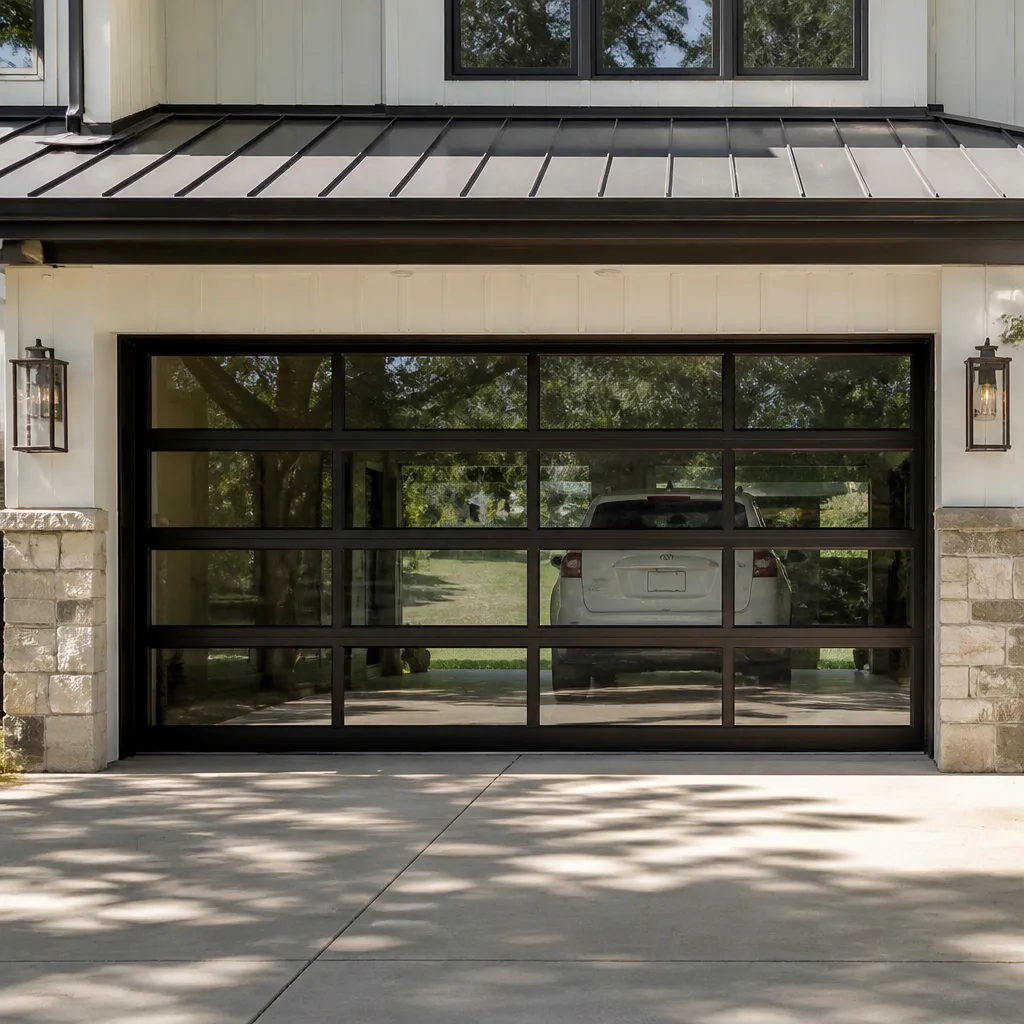 Full-view glass
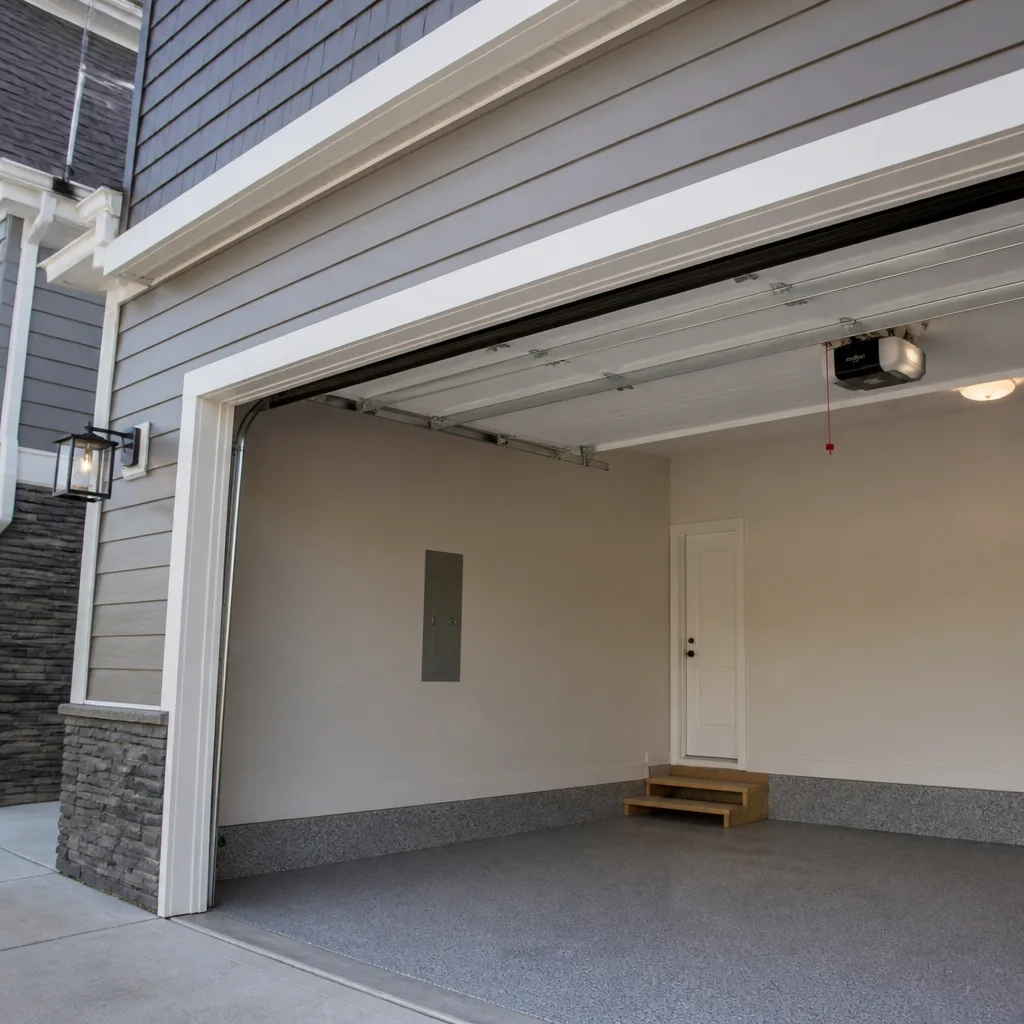 LiftMaster openers
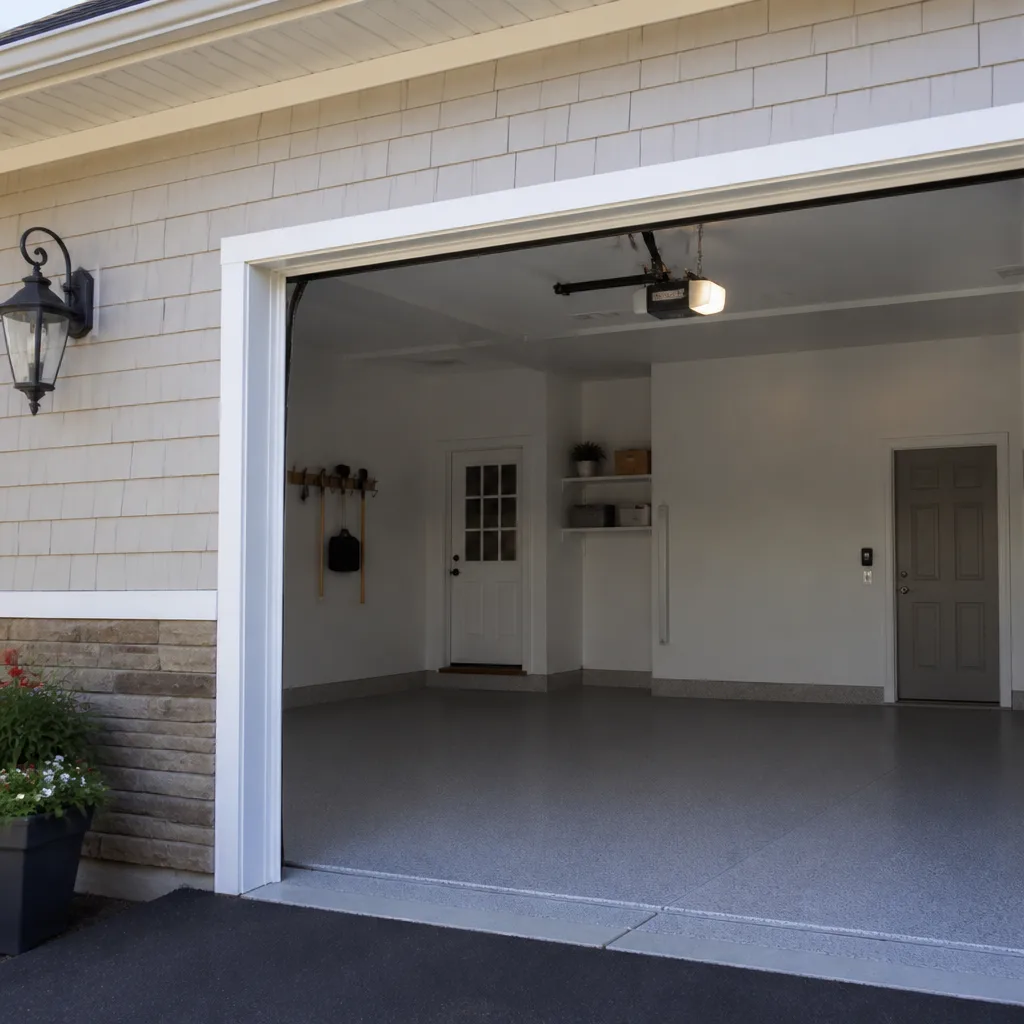 Chamberlain openers
Full 25-point door and opener safety check with every visit - springs, cables, rollers, tracks, and your LiftMaster or Chamberlain opener included
You get a price before we start. It does not change when the pro arrives.
Get your free estimateDIY vs Professional Garage Door: The Corona Homeowner’s Decision Guide
Most homeowners asking whether to DIY a garage door repair are asking the wrong question. The real question isn’t “am I handy enough?” It’s “does this specific task involve stored energy or code liability that turns a $40 part into a hospital visit?” Some garage door work is genuinely fine for a careful homeowner with basic tools – replacing rollers, swapping weatherstripping, reprogramming a remote. Other work, like torsion spring replacement, sends thousands of people to the emergency room every year, not because they were careless but because they didn’t understand what the spring was holding. This guide draws the line task by task, so you know exactly which jobs in your Corona garage you can safely own and which ones belong to a trained technician.
Quick Answer
You can safely DIY rollers, weatherstripping, remote programming, and visual inspections on your own garage door in Corona. You should not DIY torsion springs, extension springs, lift cables, bottom brackets, or structural panel replacement – these involve stored mechanical energy or load-bearing components that can cause serious injury or void code compliance. Everything in between depends on the specific door, and a free diagnostic estimate settles it in minutes.
Styles & brands we work with
- Raised-panel steel
- Carriage house
- Modern flush
- Full-view glass
- LiftMaster openers
- Chamberlain openers
Table of Contents
- The Task-by-Task Split: What’s DIY-Safe and What Isn’t
- Why Torsion Springs Are Different From Every Other Home Repair
- NYC Code, Permits, and Your Homeowner’s Insurance
- The Real Cost Math: Tools, Time, and Do-Overs
- How to Diagnose the Problem Yourself and Save the Service Call Fee
- Brand Matters: Why Genie, Clopay, and Amarr Behave Differently
- When It Can’t Wait: After-Hours Failures in Corona
The Task-by-Task Split: What’s DIY-Safe and What Isn’t
The cleanest way to decide is to sort every garage door job into one of three buckets based on what the component does. Parts that roll, seal, or communicate are homeowner territory. Parts that store force or hold the door’s weight are technician territory. And a small third category – structural and opener-related work – depends on the age and model of your door.
Safe for a homeowner with basic tools:
- Rollers. The small wheels that ride inside the track. Worn nylon rollers make a door loud and jerky. Replacing them is a screwdriver-and-pliers job.
- Weatherstripping and bottom seals. The rubber flap along the bottom edge and the strips around the frame. These dry out and crack in Corona’s summer heat, letting in drafts and water.
- Remote and keypad programming. Pairing a new remote or changing a code is pure button-pressing and takes a few minutes.
- Visual inspection. Look at cables for fraying, springs for gaps, tracks for dents, and hinges for loose screws. You’re not fixing anything – just spotting problems early.
- Lubrication. A garage door lubricant on hinges, rollers, and the opener’s rail keeps things quiet. Never grease the tracks themselves.
- Photo-eye alignment. If the door reverses for no reason, the safety sensors near the floor may be misaligned or blocked. Straightening them is safe.
Professional-only territory:
- Torsion springs and extension springs. Stored energy. Covered in detail below.
- Lift cables. Under hundreds of pounds of tension. A snapped cable whips and can cause deep lacerations.
- Bottom brackets and cable drums. Both hold the cable system together and are under load even with the door closed.
- Track replacement or realignment beyond a minor nudge. A door that has jumped the track is unpredictable.
- Panel replacement on a structural panel. The bottom section on most doors carries the most stress.
- Anything on a door older than roughly 20 years without an inspection first. Metal fatigue changes the physics.
If you’re unsure which bucket a job falls into, the safe move is to describe the symptom to a specialist and let them sort it. That’s what garage door repair diagnostics are for – a trained eye spots load-bearing problems in seconds that a homeowner might stare at for an hour. In our experience across Corona, the jobs homeowners most often misjudge as DIY-safe are springs and cables.
Why Torsion Springs Are Different From Every Other Home Repair
Think about the last mechanical repair you did around the house. A leaky faucet, a stuck drawer, maybe a ceiling fan swap. In every one of those, the energy was either off or negligible. A torsion spring isn’t like that. A torsion spring on a standard residential door stores enough torque to lift a door that weighs more than a refrigerator, and it holds that energy whether the door is up, down, or halfway. It’s not a switch you can flip to off.
That stored energy is what makes spring work dangerous in a way other home repairs simply aren’t. When a torsion spring fails, it doesn’t just sag. It releases its torque in a fraction of a second. The winding bars used to install one can fly out with enough force to break a hand. The spring itself can whip. And here’s the part most homeowners never hear: the risk isn’t limited to the moment the spring fails. It’s highest when the spring is being adjusted, because that’s the moment all the stored energy is being managed by hand.
Extension springs – the ones running along the horizontal tracks – add their own hazard. When they snap they travel, which is why modern doors use safety cables through the center of the spring. Older doors often don’t. If you have an older door with bare extension springs, treat the whole assembly as off-limits.
What “professional-only” actually means:
- It means the technician knows the winding count. Springs are wound to a specific number of turns based on the door’s weight and height. Too few and the door won’t stay up. Too many and the spring is overstressed.
- It means the spring is matched to the door. A spring rated for the wrong weight will fail prematurely. A pro checks the door weight and picks the right gauge.
- It means the right tools, not improvised ones. Winding bars, not screwdrivers, not pliers, not whatever’s in the drawer.
- It means the door gets re-balanced after. Cables, tracks, and opener settings all get checked as a system, not just the spring alone.
Spring repair is a dedicated specialty for a reason. Our technicians have up to 10 years of experience with torsion and extension spring systems, and we treat every spring job as a load-bearing repair – never a quick swap. If your spring has snapped or you’re hearing a loud bang from the garage, stop using the door and don’t attempt the replacement yourself. A tree limb or a board won’t hold if the door drops. Call a trained technician.
NYC Code, Permits, and Your Homeowner’s Insurance
Garage door work in Corona falls under New York City rules, and that means the code question is more nuanced than in most of the country. Some self-performed work is fine. Some work isn’t a permit issue at all but an insurance issue, and a few cases cross both lines. Here’s how to think about it without guessing at rules we can’t verify for your specific block.
The safest mental model: if the work changes the structure of the door or the wall opening, ask first. If it swaps a wear part with an identical replacement, you’re usually in the clear. Anything that falls between those two – new panels, new tracks, a door replacement rather than a repair – is worth a call to the NYC Department of Buildings before you start. We can’t tell you the exact answer for your address; only the city can. But we can tell you what to ask: whether your planned work triggers a permit, and whether any structural change alters the door’s compliance with opening-protection and safety-reversal requirements.
Insurance implications, in plain terms:
- Safety-reversal is the big one. A garage door must reverse when it hits an object, per federal rules that apply everywhere. If a homeowner replaces an opener and skips the reversal test, the door may no longer comply.
- Load-bearing changes matter. A spring of the wrong gauge changes the load on the door and its header. If a claim ever arises, your insurer will ask who did the work.
- Electrical work belongs to a licensed electrician. If a new opener requires a new circuit or outlet, that’s a separate licensed trade – not a garage door tech, not a homeowner.
- Document everything. Keep receipts and any written estimate if you do self-perform minor work. It helps if a question ever comes up.
The general pattern we see in Corona: minor repairs are fine to do yourself, but anything that touches the door’s structural system or its safety devices should involve a trained technician working to current code. If you’re planning a replacement rather than a repair, the timing question matters more than the permit question, and our guide to garage door installation walks through how a scheduled project runs.
The Real Cost Math: Tools, Time, and Do-Overs
The homeowner comparing DIY vs professional costs almost always undershoots the DIY side. The part is cheap. The tools usually aren’t, the time is real, and the probability of a do-over is higher than most people expect, especially on anything involving adjustment. A fair comparison accounts for all three.
What a typical professional spring repair costs in Corona:
- Single torsion spring replacement: professionally, usually quoted as a per-job estimate. A matched pair is replaced together in most cases, roughly double a single.
- Spring + balance + opener reset: often bundled into a single written estimate because the job isn’t done until the system is re-balanced.
- Written estimate before work starts: standard. The quote is agreed, and the final invoice reflects the quote.
We’re deliberately not printing a dollar table here, because we can’t stand behind exact figures across the range of doors in Corona. What we can say is what the estimate includes and what it doesn’t. The estimate is written, it’s agreed before any work begins, and it reflects the specific door in front of the technician.
What DIY spring replacement actually costs when done honestly:
- Winding bars. Two matched bars rated for your spring. Not screwdrivers. Not pliers.
- Two springs, not one. Even if only one broke, a matched pair on an aging door usually gets replaced together.
- Time. An experienced technician takes under an hour. A first-timer takes much longer, often with multiple adjustments and re-windings.
- The do-over risk. Springs and cables that aren’t matched and balanced correctly can fail within months. That’s a second spring job for a first spring price.
- The safety exposure. The real risk in this repair isn’t financial. It’s the stored energy described above.
Where DIY genuinely wins on cost is the small stuff. Replacing a set of rollers, refreshing weatherstripping, or reprogramming a remote can all save a service call and cost less than $100 in parts. Those are the same repairs a trained technician would do with the same parts – there’s no craft advantage to paying someone for them.
If you’re weighing a repair against a replacement and want the cost comparison evenhanded, our garage door repair team can walk you through both options in a free estimate. Same-day service is available for urgent repairs.
How to Diagnose the Problem Yourself and Save the Service Call Fee
Here’s a move most homeowners don’t know about: you can do most of the diagnostic work yourself, without touching anything under load, and often skip an exploratory service fee entirely. A technician arriving with a clear description of the symptom spends less time diagnosing and more time fixing. Sometimes that gets you to a straight quote faster.
A safe diagnostic sequence:
- Watch the door from the outside, on the opener. Note whether it moves smoothly, jerks, reverses, or stops. This is the single most useful observation you can make.
- Test the safety reversal. Place a small piece of wood flat under the door, close it, and watch whether the door reverses. If it doesn’t reverse, note that.
- Look at the springs (from a distance). A torsion spring sits above the door, on a shaft parallel to the header. An extension spring runs along the upper track. A visible gap in a torsion spring means it’s broken. Don’t touch either.
- Look at the cables (from outside the tracks). Frayed or slack cables on either side of the door are a red flag. Don’t put your hand between the cable and the track.
- Check the photo-eyes. They’re the small boxes near the floor on both sides. If either LED is dark or blinking, that’s likely why the door won’t close.
- Test the remote and wall switch separately. If the wall switch works and the remote doesn’t, the problem is programming. If neither works, it’s the opener or power.
- Note any sounds. A single loud bang that preceded the problem usually means a broken spring. A grinding or scraping noise usually means a roller or track issue.
What you do with that information matters. The diagnostic gets you a clear, calm description to give on the phone, which shortens the visit and often lets a technician arrive with the right parts. It also lets you self-sort: if step 3 or step 4 shows a broken spring or a damaged cable, stop the diagnostics and call. If it’s step 5 or step 6, you may have a five-minute fix on your hands and no service call needed.
Our garage door opener repair team handles the opener-side outcomes of these diagnostics – motors, sensors, circuit boards, and remotes – and we’re happy to talk through your observations before we send anyone. If it turns out to be a minor fix, we’ll tell you.
Brand Matters: Why Genie, Clopay, and Amarr Behave Differently
Every door and opener family has its own quirks, and knowing them is one of the biggest hidden advantages of hiring a specialist over a general handyman. The hardware in your Corona garage is almost certainly one of a handful of common brands, and each one has its own part numbers, failure patterns, and adjustment methods.
Example: Genie openers. Genie’s logic boards and force adjustments differ from LiftMaster and Chamberlain, and their older units use specific remote frequencies that aren’t cross-compatible. A homeowner buying a “universal” remote often ends up back at the store.
Example: Clopay and Amarr doors. Both make a wide range of panel profiles and gauges, and a replacement bottom section usually has to match both the profile and the weight class. Order the wrong one and the door won’t balance.
Example: Wayne Dalton doors. Their torsion systems and track styles aren’t always interchangeable with other brands, which is one reason a generalist often hands the job back to the homeowner.
This is the practical reason to work with a specialist rather than a general contractor. We work on the brand already in your garage – we don’t push a replacement because we only know one manufacturer. Our technicians are factory-familiar with all eight of the most common residential brands, including Genie, Chamberlain, LiftMaster, Clopay, Amarr, Wayne Dalton, Craftsman, and Raynor. That fluency doesn’t just speed up the repair. It changes the diagnosis. A tech who’s seen a hundred of your exact model spots the failure pattern faster and quotes you the fix, not an exploratory visit that turns into a recommendation to replace the door.
For homeowners planning a new installation and weighing brands, the same fluency matters in reverse. A pro who works across every major brand can recommend based on your door’s size, your home’s exposure, and your opener – not on which brand they stock. Our garage door installation process starts with a free measure and a written price, and there’s no rush: a new installation is a measured job, not a same-day one.
When It Can’t Wait: After-Hours Failures in Corona
Some failures are annoyances. Others are access and security problems. A door stuck open overnight, a spring that snapped with the car inside, a cable that let go while you were pulling out – those shouldn’t wait for a regular appointment. Corona’s mix of attached garages and tight residential blocks means a door that won’t close is a real concern, and a car trapped behind a broken door is a real disruption to the next morning.
Emergency garage door service exists for exactly those cases. It’s a core offering, not an upsell, and it’s genuine: when a door can’t be secured or a car can’t be freed, you call and we respond. Same-day service is standard for urgent repairs like spring failure and cable break. For routine work – roller replacement, opener programming, weatherstripping – there’s no need to rush it; those can wait for a scheduled visit.
A few things you can do before we arrive:
- Disconnect the opener. Pull the red release handle hanging from the opener rail. That lets you move the door by hand to free a car or close it manually.
- Prop the door safely if it won’t stay up. Use a sturdy board or step ladder rated for the load, positioned so it won’t slip. Never use a chair.
- Keep children and pets out of the garage until the door is stabilized.
- Leave the track and spring alone. A door that fell out of the track can come down unexpectedly.
If the door failed on a day we’re closed – Saturdays included – call and we’ll book you for Sunday. We don’t run Saturday service, so a Saturday failure gets scheduled for the next available day, and we’ll talk through immediate safety steps by phone.
Common Mistakes to Avoid
- Trying to lift the door by hand to “help” a jammed opener. An unbalanced door can come down on whatever’s under it. If it won’t move freely by hand with the opener released, don’t force it.
- Buying a “universal” remote without checking the frequency. Genie, Chamberlain, and LiftMaster use different systems across models. A quick model check on the opener housing saves a return trip.
- Greasing the tracks. Lubricant on the tracks attracts grit and makes the door slip. Grease the hinges, rollers, and opener rail – not the tracks.
- Ignoring a single loud bang. A bang from the garage that changes how the door behaves is usually a broken torsion spring. Stop using the door; don’t keep pressing the opener to see if it fixes itself.
- Replacing one spring when the pair is aging. The other spring is under the same wear and usually fails within a short window. A specialist replaces the pair for a reason – the door’s balance depends on both.
- Skipping the reversal test after any opener change. The safety reversal is the door’s most important safety feature. Test it every time you touch the opener, remote, or travel limits.
- Assuming a permit isn’t needed because the door is “just an accessory.” In Corona, structural changes to a door opening are a city building department question, not a homeowner guess. Call the city if you’re not sure.
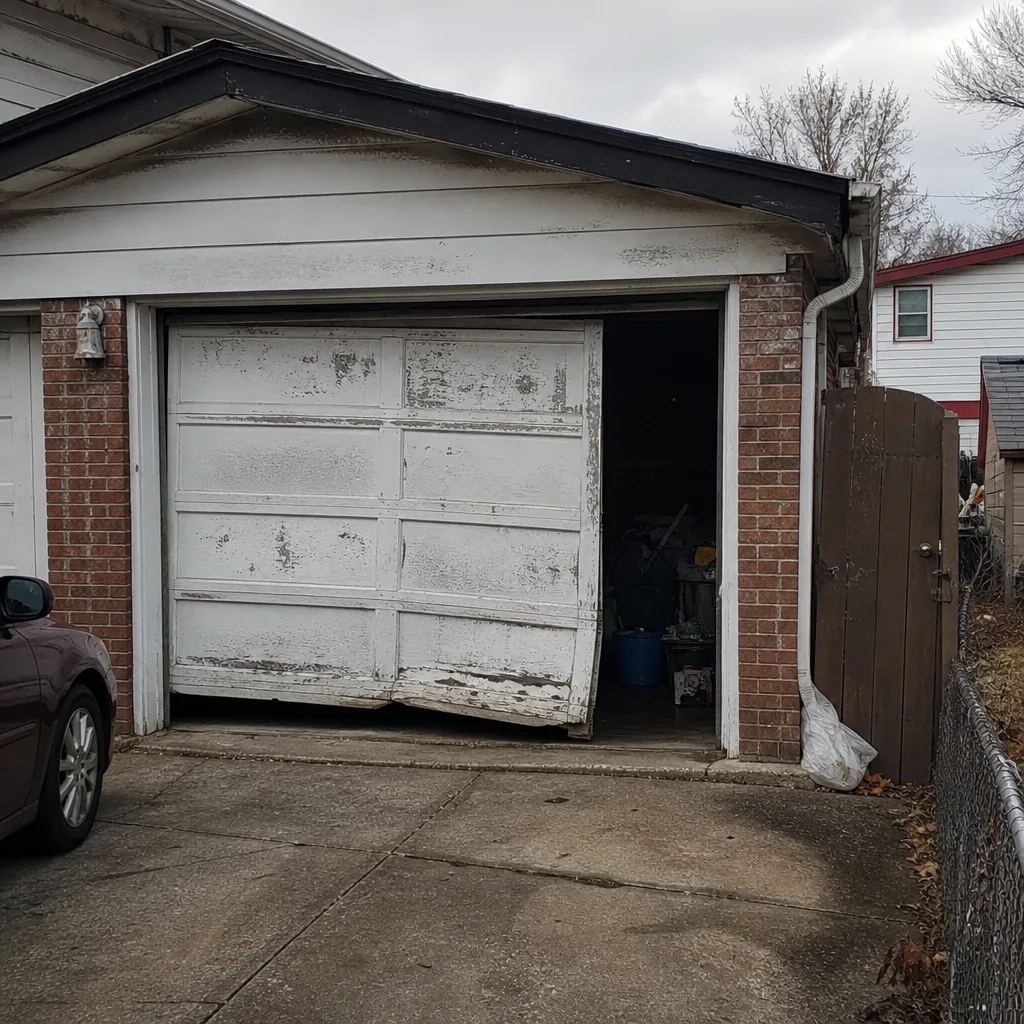
See the difference
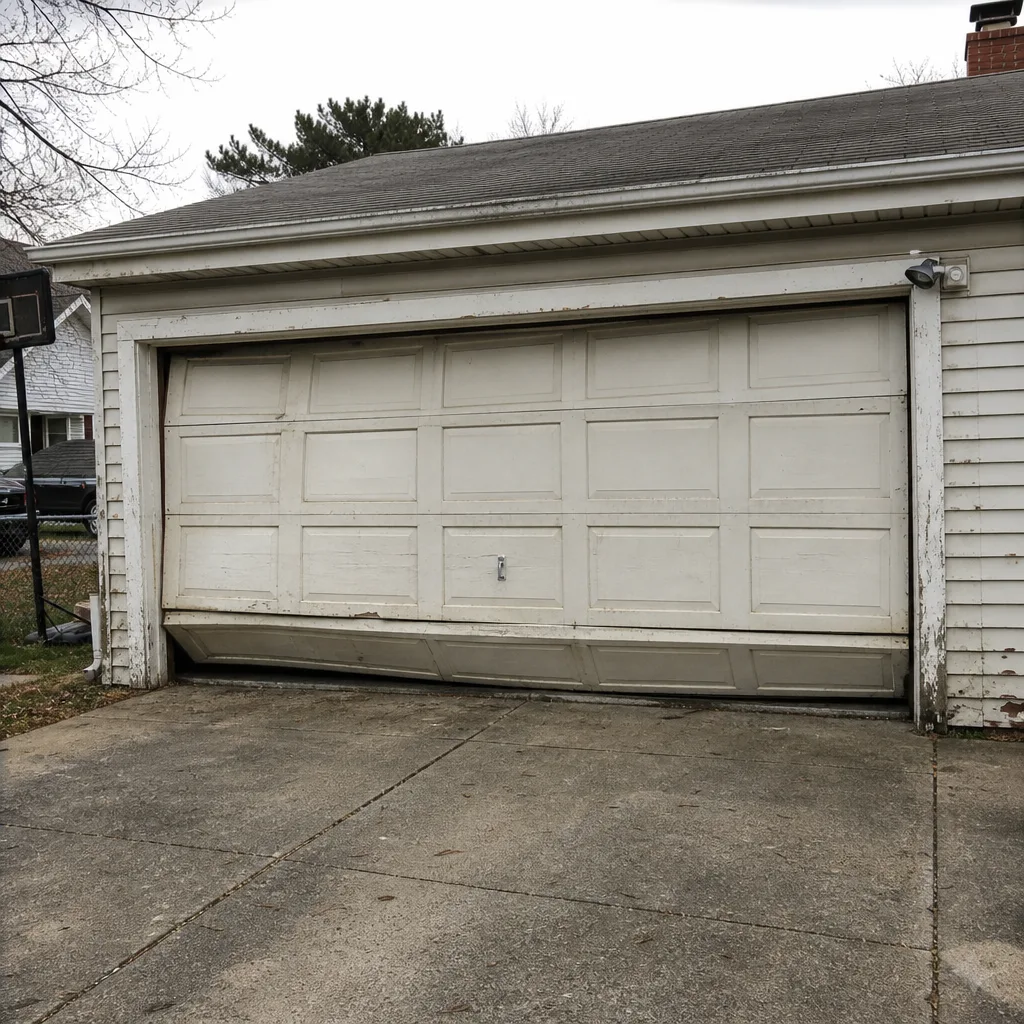 Before
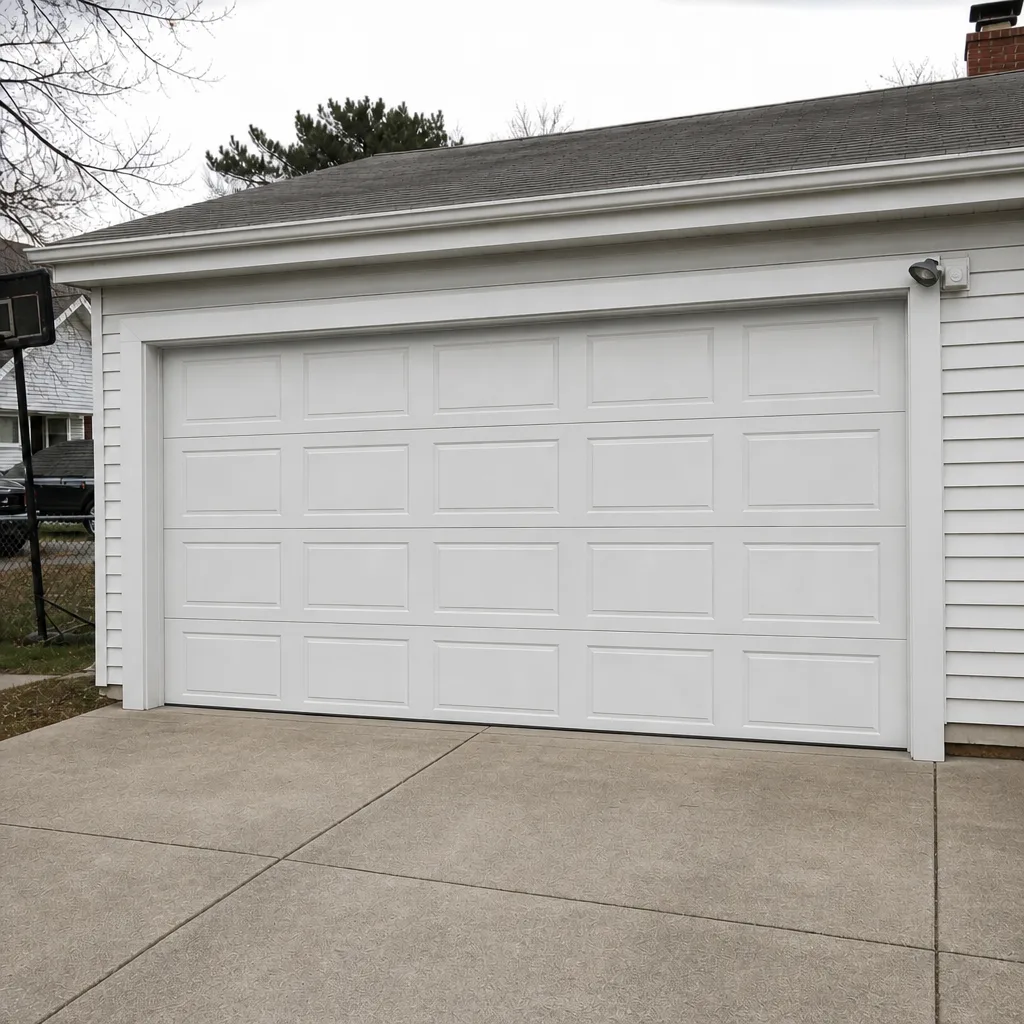 After
 Before
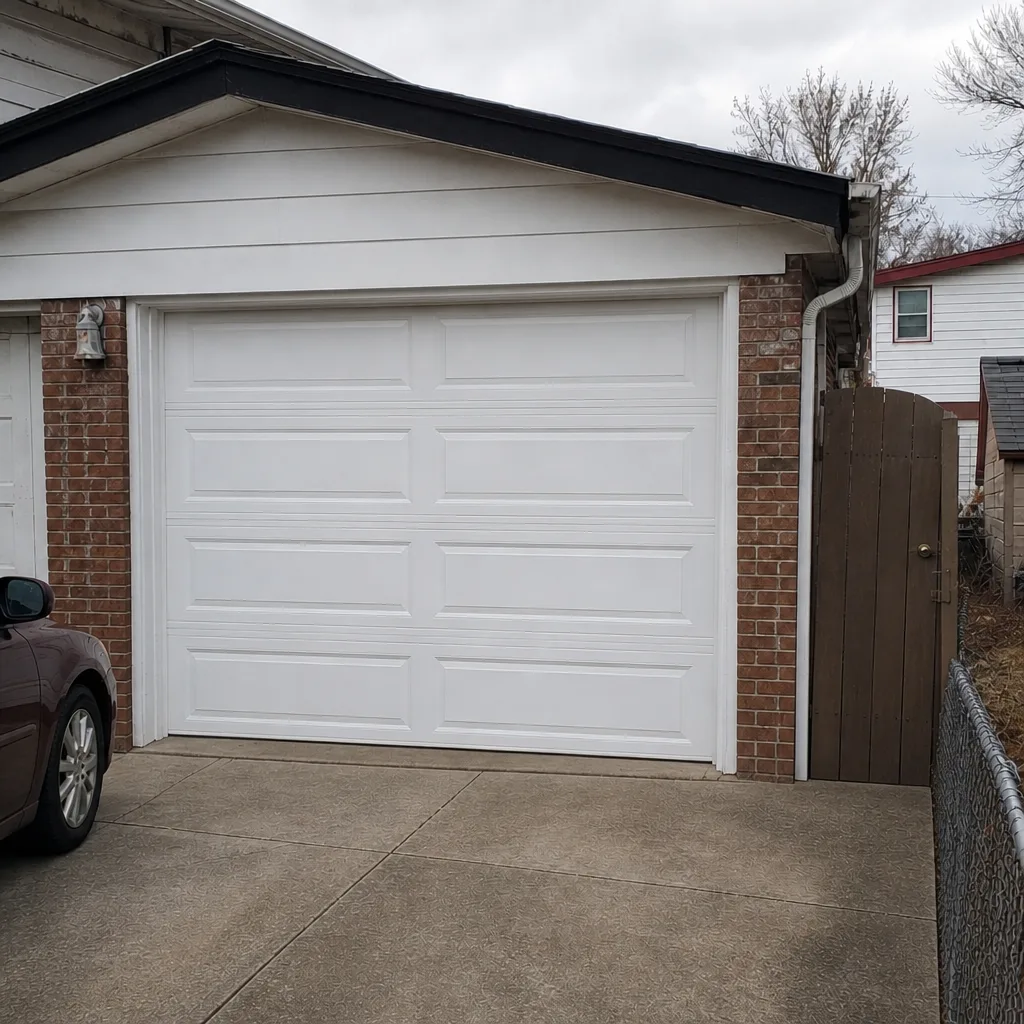 After
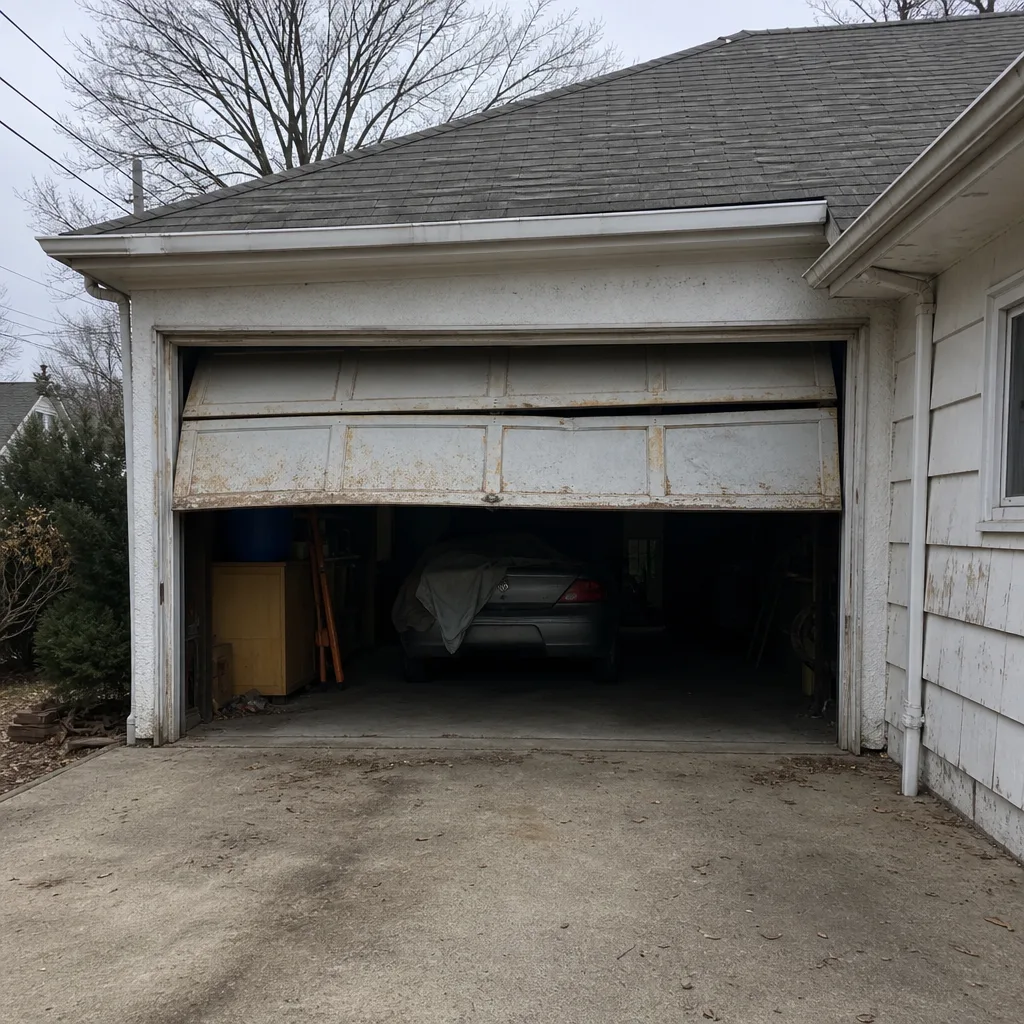 Before
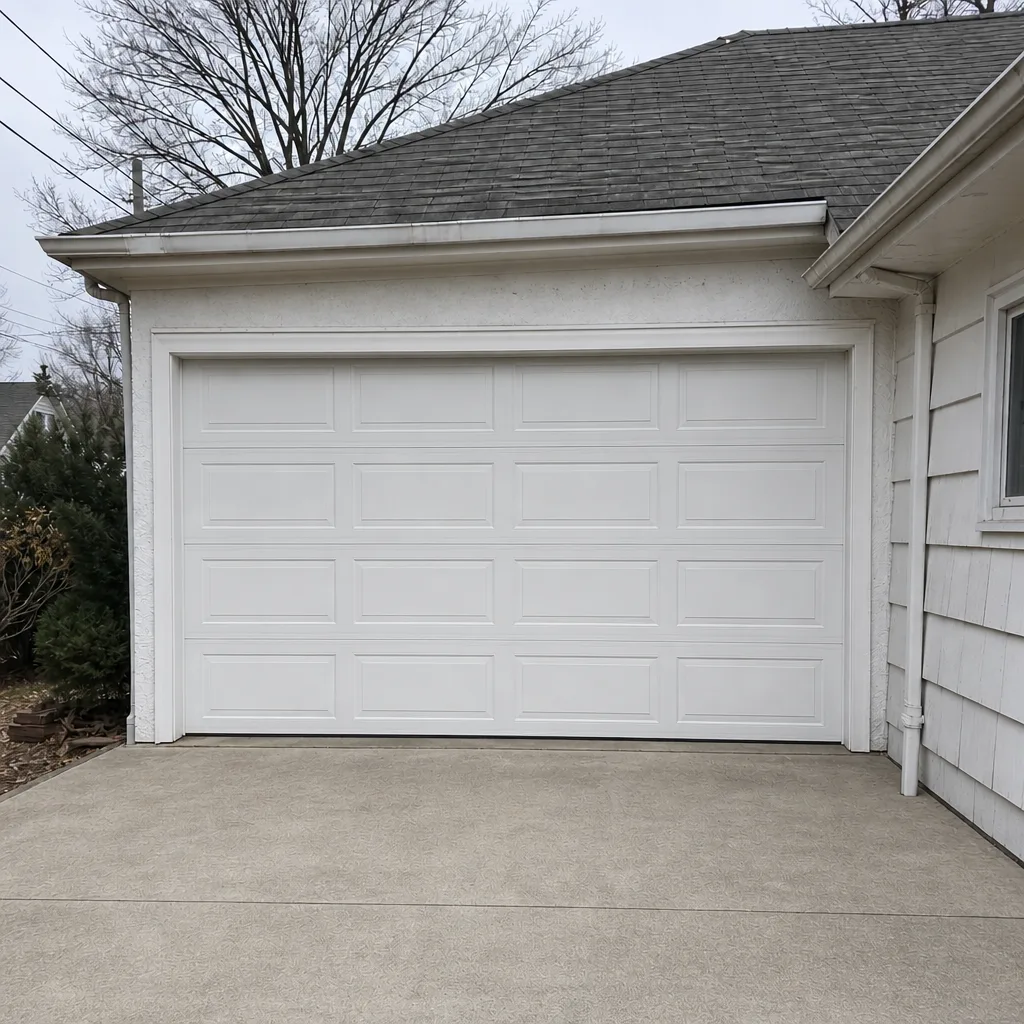 After
When to Call a Professional
Call for anything involving springs, cables, bottom brackets, a door that has left the track, or any structural change to the door or its opening. Call when the door reverses for no reason and the photo-eyes aren’t the cause. Call when the opener runs but the door doesn’t move, or grinds, or won’t stay closed. Call if you’re unsure whether a task is DIY-safe – we’d rather answer a question than treat an injury. And call if a spring has failed and you’re tempted to try the replacement yourself; that’s the single repair where the risk is highest and the savings lowest.
Corona Garage Door Repair Pros offers free estimates in Corona – call (855) 658-4170. Our technicians have up to 10 years of experience, we service every major brand, and the price is written and agreed before any work starts. Same-day service and emergency response are available for the situations above.
Frequently Asked Questions
No – torsion and extension springs are under stored mechanical energy and should only be replaced by a trained technician. The spring holds enough torque to move the full weight of the door, and the winding process is the most dangerous moment. For a safe replacement and a proper re-balance of the door afterward, call (855) 658-4170 for a free estimate.
Most minor repairs are fine to do yourself, but structural changes to the door or its opening may require a permit in NYC, and safety-reversal and load-bearing requirements apply regardless of who does the work. Confirm the specifics with the NYC Department of Buildings for your address, and call us for anything involving springs, cables, or panels.
Every repair is quoted per job in a written estimate agreed before work starts, so the price depends on what’s actually wrong with your door. A free estimate gives you the exact number. Call (855) 658-4170 and we’ll diagnose over the phone where we can and quote in person where we need to.
It depends on the repair and the policy. Adjusters look closely at load-bearing and safety-device work, and questions tend to arise when a claim involves a self-performed repair on a spring, cable, or opener installation. Keep receipts and written records if you do minor work yourself, and ask your insurer directly if you’re unsure.
Rollers, weatherstripping, bottom seals, remote and keypad programming, photo-eye alignment, lubrication, and visual inspections are all safe for a careful homeowner with basic tools. These jobs involve no stored energy and no structural load. If you’re unsure where a repair falls, describe the symptom before you start – that conversation is free.
Yes – same-day service is standard for urgent repairs, and emergency service is available for situations where the door can’t be secured or a car is trapped. Call (855) 658-4170. We don’t run Saturday service, so a Saturday failure gets booked for Sunday, and we’ll talk through immediate safety steps in the meantime.
The Bottom Line
The DIY vs professional question isn’t about whether you’re handy. It’s about whether the specific task involves stored energy, load-bearing components, or code implications. Rollers, weatherstripping, remotes, and lubrication are yours. Springs, cables, brackets, tracks, and any structural panel work belong to a trained technician working to current code. The diagnostic work – watching the door, testing the reversal, checking the photo-eyes, noting the sounds – is yours too, and it can save you a service call entirely. When the diagnosis points to a spring, a cable, or a door that’s left its track, that’s the moment to stop and call. Corona Garage Door Repair Pros works on the brand already in your garage, from opener to panel, and free estimates make the professional side of the decision a known number rather than a guess.
Call (855) 658-4170 for a free estimate, same-day service, and a written price agreed before any work begins. Our technicians have up to 10 years of experience, we service all eight of the most common brands, and our team at Corona Garage Door Repair Pros is ready to get your door working again.
Written by the team at Corona Garage Door Repair Pros.