Last updated November 21, 2026
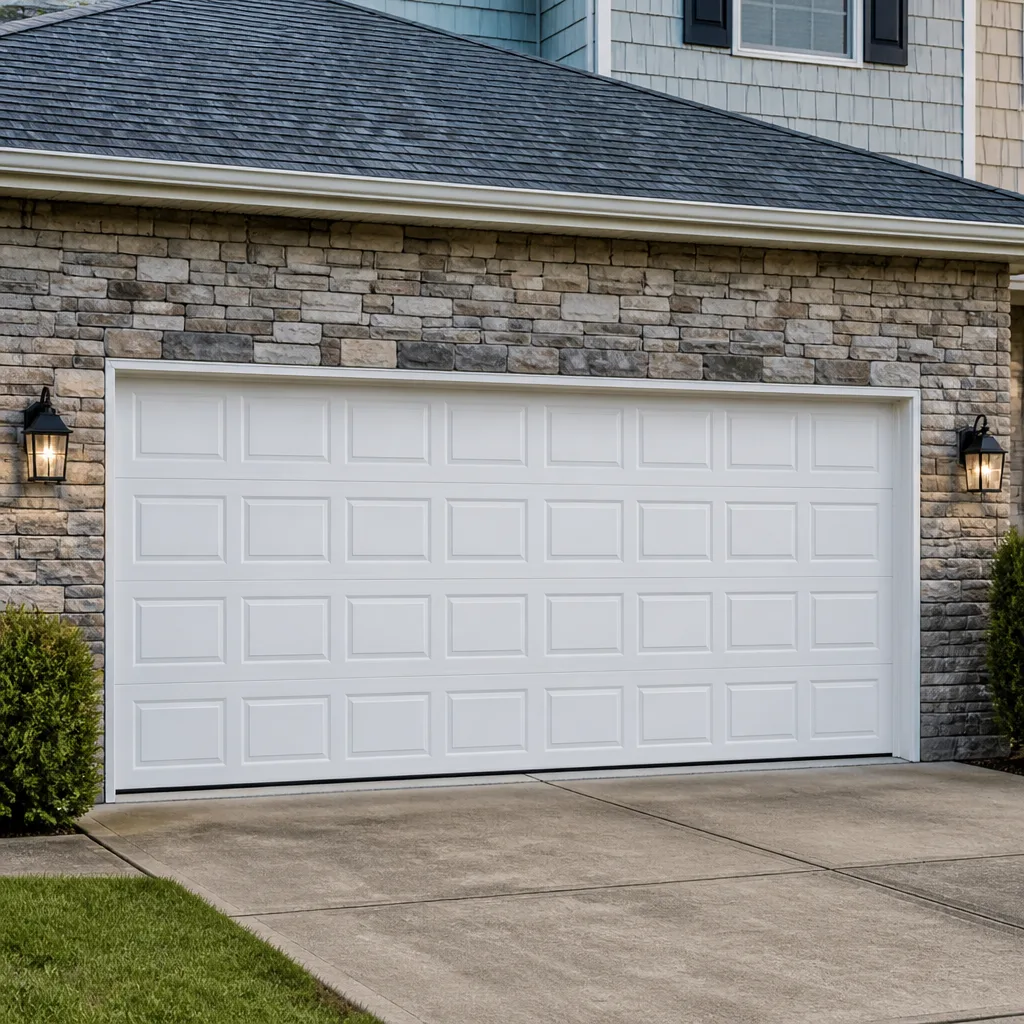 Raised-panel steel
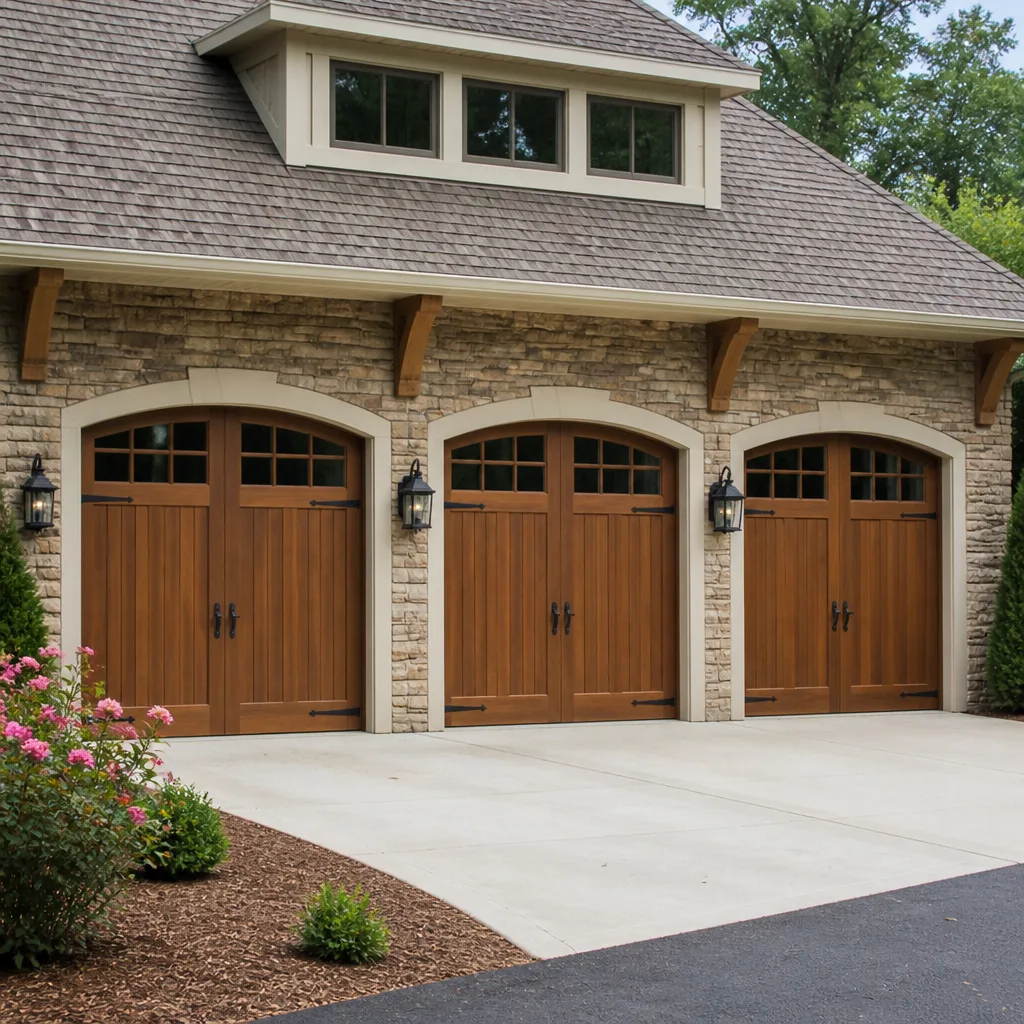 Carriage house
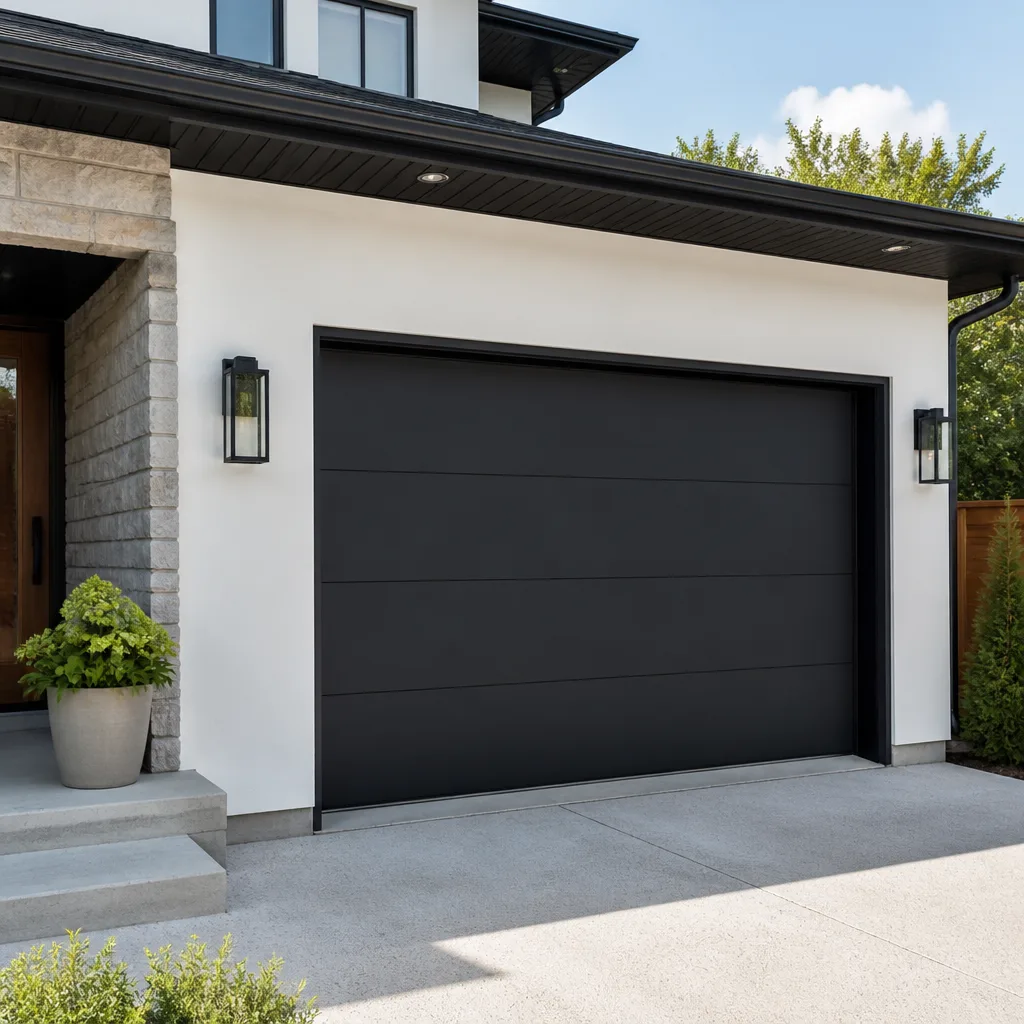 Modern flush
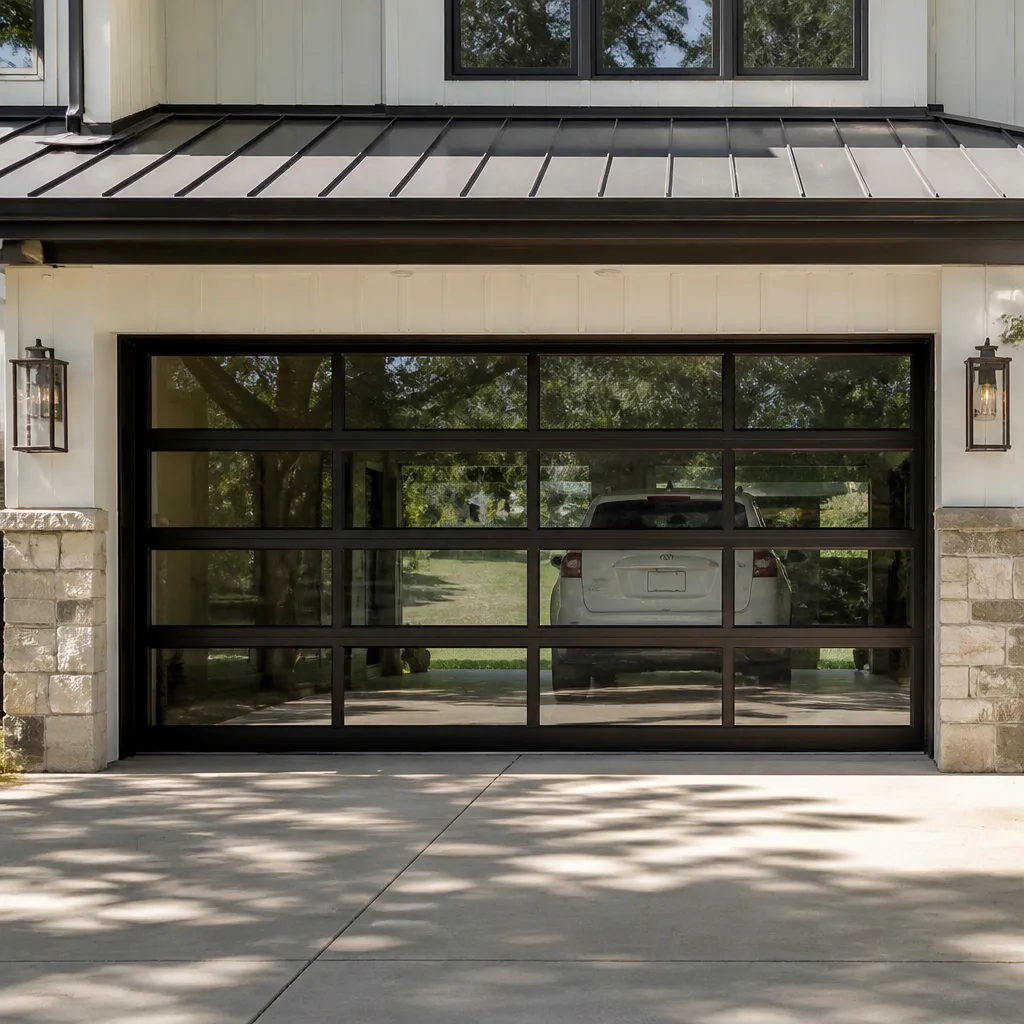 Full-view glass
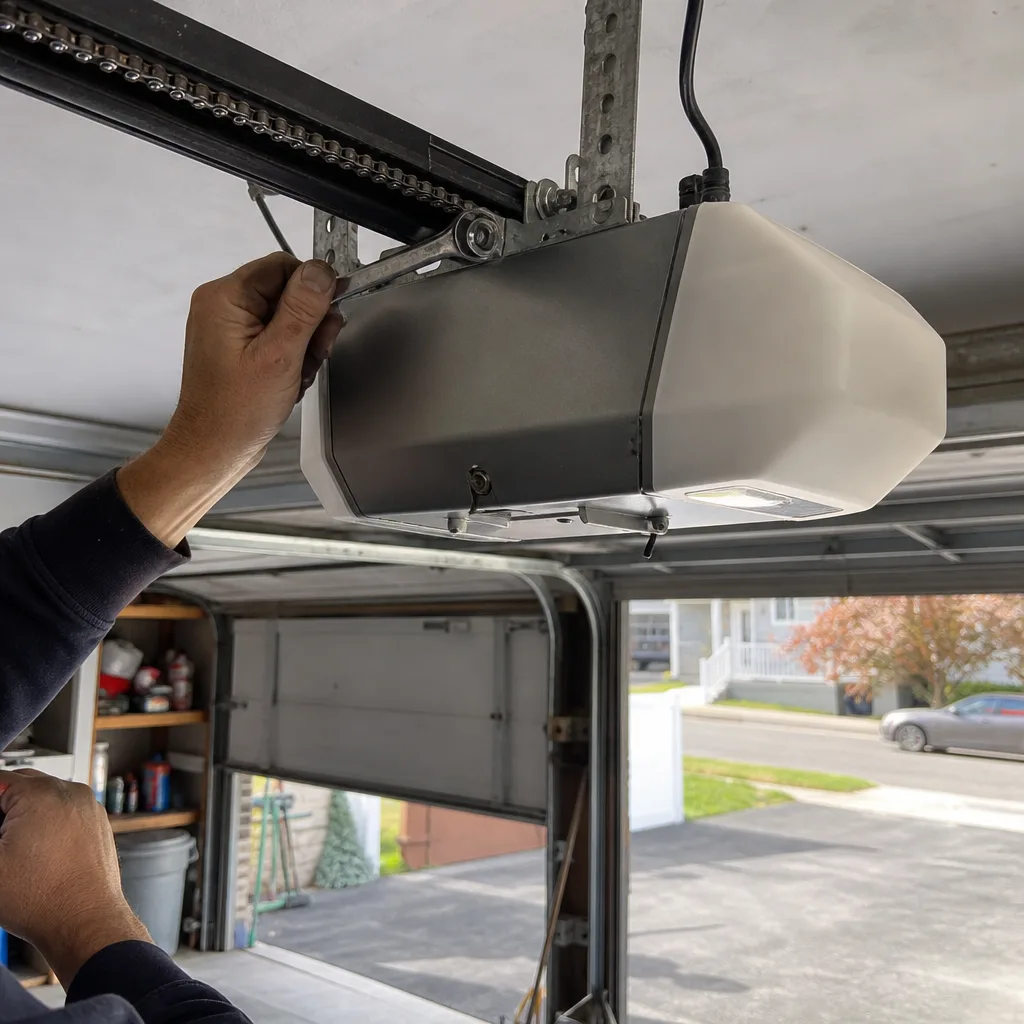
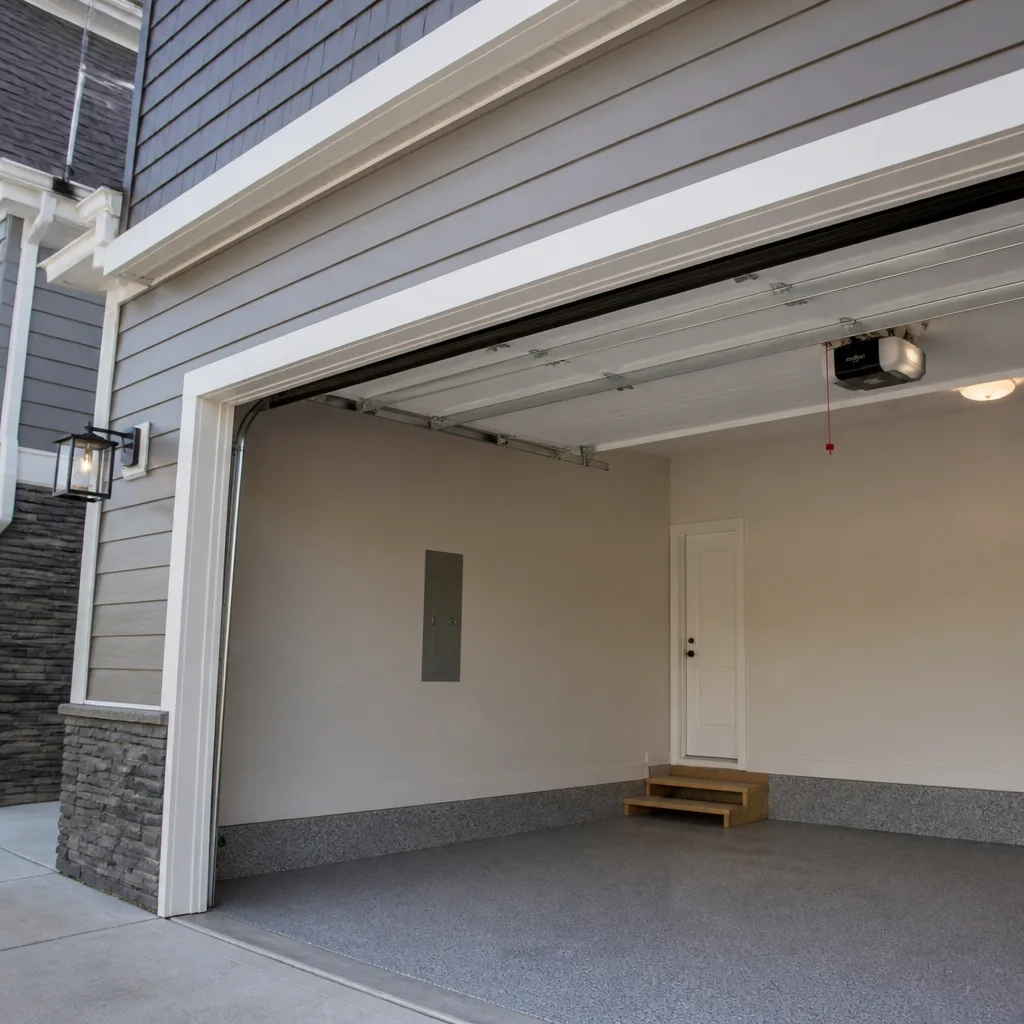 LiftMaster openers
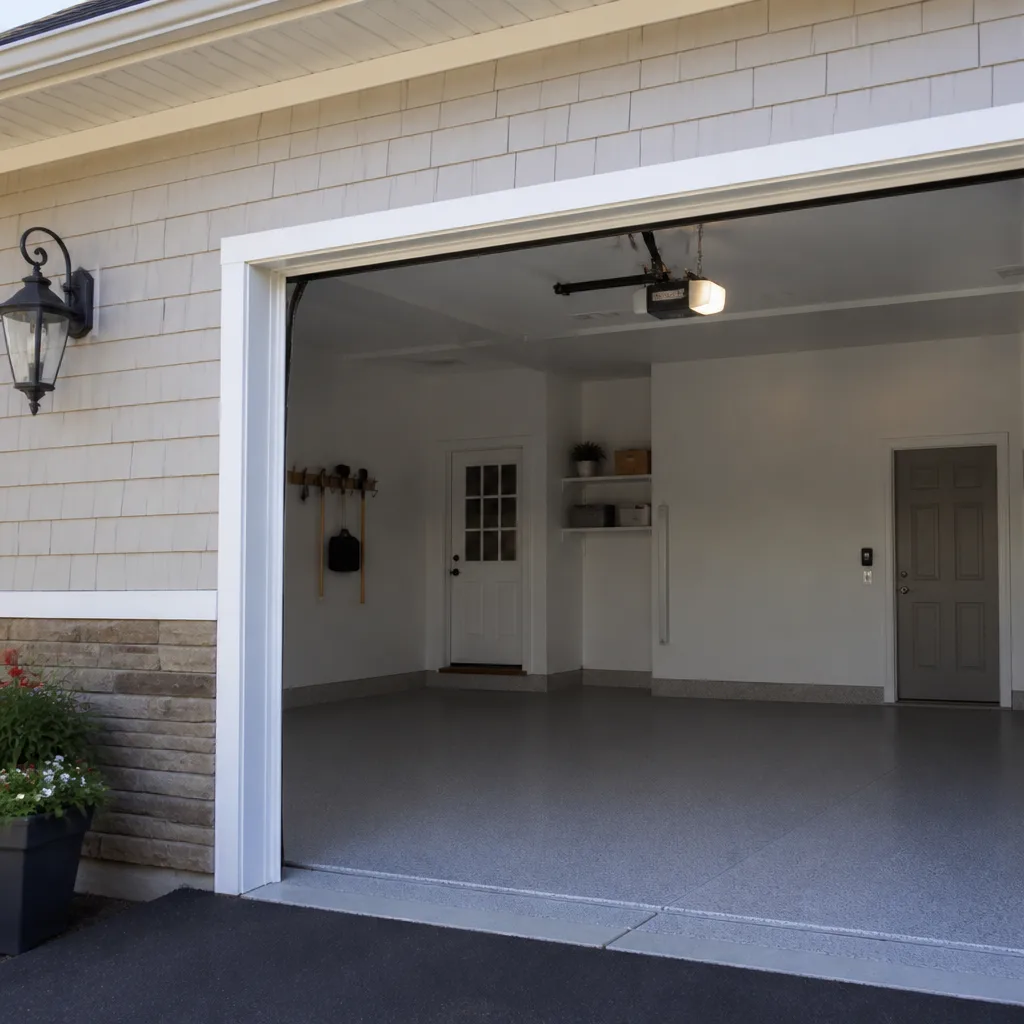 Chamberlain openers
Full 25-point door and opener safety check with every visit - springs, cables, rollers, tracks, and your LiftMaster or Chamberlain opener included
You get a price before we start. It does not change when the pro arrives.
Get your free estimateSeasonal Garage Door Care for Corona: Year-Round Homeowner’s Guide
Garage doors don’t fail at random. They fail in clusters: the first genuinely cold week of November, and the first real heat wave of July. The reason isn’t age. It’s transition. Metal, wood, and the springs under tension respond to temperature and humidity by changing dimension, tension, and fit, and the shift happens faster than most homeowners expect. A door that ran quietly all October can start shrieking or dragging within days of the first cold snap. In this guide, we walk Corona homeowners through each season as a distinct mechanical event, not a generic checklist, with the specific response each one calls for.
Quick Answer
Garage doors need different care in each season because temperature and humidity change spring tension, track alignment, and wood or steel panel fit. In Corona, the highest-risk windows are the first cold snap (springs and cables), early spring after winter freeze-thaw (rollers and hinges), and July heat (track expansion and misalignment). A short inspection before each seasonal shift prevents most of the breakdowns we get called for.
Styles & brands we work with
- Raised-panel steel
- Carriage house
- Modern flush
- Full-view glass
- LiftMaster openers
- Chamberlain openers
Table of Contents
- Why Corona Doors Fail on a Seasonal Clock
- Winter: Cold, Torsion Springs, and the Cable Risk
- Spring: Post-Winter Roller and Hinge Failure
- Summer: Heat, Metal Tracks, and July Misalignment
- Fall: The Pre-Winter Prep Sequence
- Attached Garages in Row-Home Layouts: Airflow and Moisture
- Common Mistakes to Avoid
- When to Call a Professional
Why Corona Doors Fail on a Seasonal Clock
A garage door is a system under constant load. Torsion springs (the coiled hardware above the door on a center shaft) or extension springs hold the door’s weight, and the opener only lifts what’s left. When temperature shifts, steel springs change tension, wood and insulated steel panels swell or contract, and metal tracks move a fraction of an inch. Multiplied across a 7- or 8-foot-wide door, those fractions become drag, misalignment, and strain.
Corona’s climate pushes this harder than a lot of places because our winters get cold enough to make springs brittle and our summers get hot enough to expand every metal part in the system. Those are opposite stresses, sometimes only months apart. A door that was tuned in October is under one set of loads by January and a very different set by July.
What homeowners usually notice first isn’t the spring. It’s a noise, a slight hesitation, a spot where the door catches. That’s the door telling you the load has shifted. Responding to that early signal is what separates a cheap adjustment from a costly repair.
A few things we look at when walking a Corona garage during any season:
- Is the door balanced? Disconnect the opener and lift it halfway by hand. It should stay put, not drift down or shoot up.
- Do the rollers glide through the curved track sections without a thunk?
- Is the gap between the door and the floor even on both sides?
- Do the hinges and rollers show rust streaks?
- Is the opener straining at the top of the travel?
If any of those answers surprise you, note it. The rest of this guide tells you what the likely seasonal cause is. When you want the door itself checked by a technician, that’s the kind of Corona Garage Door Repair Pros visit we handle often.
Winter: Cold, Torsion Springs, and the Cable Risk
Winter is the season when torsion springs and cables are under their most uneven load. Sub-freezing air makes steel more brittle, and a spring that was tuned to hold the door at 60°F holds it tighter at 35°F. The tension doesn’t just feel higher; the entire mechanism has to do more work to move the same weight. That’s why snapped springs and cable failures spike in the first cold week of the season, often after weeks of quiet operation.
The one adjustment that limits cable risk heading into winter is a balance check, not a spring adjustment. If the door is balanced, the springs aren’t doing extra work and the cables aren’t carrying tension they shouldn’t. Here’s the sequence:
- Pull the manual release and lift the door halfway by hand. If it drops, falls, or fights you, the springs or cables need attention and shouldn’t be forcing anything else.
- With the door closed again, look at both cables. They should run straight and tight, with no frayed strands and no loose coils at either end.
- Look at the springs themselves for splits, kinks, or a gap in the coil. A damaged spring shouldn’t be cycled.
- Lubricate rollers, hinges, and the torsion shaft with a garage-door-rated lubricant, not WD-40.
One thing we discourage: adjusting spring tension yourself. Torsion springs are under enough load to cause serious injury if they slip, and cables can snap back with force. That’s a job for a trained technician, and spring repair is one of the areas we take most seriously. Our technicians have up to 10 years of experience with the hardware, and we handle garage door repair for broken springs, cables, and drums often enough that we recommend a balance check every fall.
Corona’s overnight lows in winter are cold enough that a stuck door at 6 a.m. is a real category of call. If the door won’t open or drops immediately, don’t force the opener. That’s the moment to call.
Spring: Post-Winter Roller and Hinge Failure
Spring is the highest-risk season for roller and hinge failure, and almost nobody expects it. The reason is freeze-thaw. Winter expands and contracts steel tracks and rollers through dozens of small cycles. By March, rollers that were snug in October have flat spots, hinges have loosened at the screws, and the door runs louder than it did. This doesn’t usually fail outright. It fails once daily use ticks up.
Before daily use increases in spring, do an inspection pass:
- Run the door up and down twice with the opener and listen. Squeaks localize at a specific roller or hinge.
- Check each hinge screw by hand. Loose screws are the single most common cause of hinge failure.
- Examine rollers for flat spots, cracks, or grit in the bearing. Steel rollers with flat spots need replacing; nylon rollers that wobble need it too.
- Wipe the track with a damp rag. Grease and grit in the curve sections is what produces most hinge wear.
- Test the auto-reverse: place a 2×4 flat on the ground under the closing door and verify the door reverses on contact.
The spring inspection overlaps with winter, but the emphasis shifts. By April, the risk has moved from spring brittleness to roller and hinge fatigue. Replacing rollers and a few loose hinges is cheap. Replacing them mid-cycle after a jam is not.
Spring is also the point where homeowners think about the door’s surface. Wooden doors and wood-composite panels can show their winter swelling along joint lines by April. Look for separation at the joints and along the bottom rail. Where the door has warped, the tracks can bow with it. If the bow is more than a small fraction of an inch, that’s a fit issue, and it’s the kind of thing we look at when we’re called for garage door opener repair because the opener is straining at the top of travel.
Residents along the older side streets in Corona have aging doors where rollers weren’t replaced when they should have been. Spring is the season that catches up with them.
Summer: Heat, Metal Tracks, and July Misalignment
Complaints about the door of out-of-alignment spike in July in Corona because heat expansion moves metal tracks, and misaligned tracks drag on the door and strain the opener. Steel track sections can expand by meaningful fractions of an inch in a garage that gets hot; multiply that across the run from the header to the floor and the door starts binding on one side. The opener doesn’t fail from this alone. It fails because it’s been pushing against a dragging door for weeks.
What to check before the hottest weeks:
- Sight down each vertical track. It should look straight to the eye.
- Look at the gap between the door edge and the track where the door rolls. If it’s uneven, the track has shifted.
- Check the horizontal tracks where they meet the back of the garage. Loose mounts are common after a hot month.
- Run the door and watch the top panel. If it flexes, the tracks are binding.
For homeowners with a door they haven’t replaced, July is also the moment to notice warping in insulated steel doors. A poorly insulated panel can flex in a hot garage. That’s not a safety issue on its own, but it accelerates wear at the hinges. Doors installed with quality panels (Clopay, Amarr, and similar) tolerate heat better because the insulation cavity absorbs expansion instead of transferring it to the frame. If your panels are warped enough to bow the track, that’s a bigger repair.
Air conditioning isn’t the culprit; ambient heat in the garage is. A garage that isn’t ventilated and faces the afternoon sun is the hottest problem we see in the summer.
Fall: The Pre-Winter Prep Sequence
Fall is the season where everything you do pays off three months later. Done in the right order, it takes about an hour of your time plus a short technician visit. Done out of order, you’ll spend that hour chasing problems you could have avoided.
The prep sequence, in priority order, with rough time estimates:
- Balance check (5 minutes): Disconnect the opener and lift the door halfway. It should hold. If not, the spring tension needs professional attention before winter arrives.
- Lubricate hinges, rollers, and torsion shaft (10 minutes): Garage-door-rated lubricant on every roller stem and hinge pivot. Skip the tracks; that’s a common mistake.
- Tighten hinge and bracket screws (10 minutes): A screwdriver pass on every hinge leaf and bracket, top to bottom.
- Weatherstrip and bottom seal inspection (10 minutes): Look for cracks and gaps along the bottom seal that will let cold air drive into the garage through winter.
- Safety reverse test (5 minutes): 2×4 on the floor, close the door with the opener, verify it reverses on contact. Also test the photo-eye alignment, if your opener has one.
- Opener force and limit check (10 minutes): The opener should sit flat at the top and bottom of travel. If it’s straining or reversing right before the floor, that’s an adjustment and shouldn’t be pushed into winter.
- Track alignment sight check (5 minutes): Straight vertical runs, tight mounts at the back.
Fall is the right time for the door hardware check because the adjustments are cheap when everything is still inside spec. If the balance check fails or the springs show splits, that’s the moment to schedule the repair. Our team handles that work as part of garage door installation prep as well as on existing doors, and we’ve learned that the fall visit usually prevents the winter emergency later.
Clopay and Wayne Dalton doors, common in Corona neighborhoods, tend to hold tension well into fall if they were balanced at the previous adjustment. If the door was last touched more than a year ago, the balance check is the one you shouldn’t skip.
Attached Garages in Row-Home Layouts: Airflow and Moisture
An attached garage in a row-home layout is a very different mechanical environment than a detached garage, and standalone seasonal guides ignore it. The attached garage shares a wall with the house, less exterior wall area for ventilation, and often limited airflow at the front and back. That means moisture and heat don’t clear as fast, and the garage keeps a steadier but more humid air mass than a detached garage would.
What that means for the door system:
- Lubricant on rollers, hinges, and springs stays wetter longer, attracting grit and gumming up.
- Hinges and low brackets are more prone to surface rust after a winter, which shortens their life.
- Swinging temperature from the shared wall changes the door panel’s moisture content, especially on wood doors, and pushes joint expansion.
- The bottom seal is more often in contact with damp concrete, so it hardens and seals worse each year.
Row-home garages in Corona also see a particular pattern in late spring: the door on the shared wall accumulates less direct sun and more persistent humidity. The seal at the floor is the first thing that fails. Look for spots where the seal is no longer soft and flexible. Once it hardens, cold air and moisture push through it all winter.
If your attached garage stays noticeably humid through spring and summer, that’s a normal part of this layout, but it does mean inspecting the hardware more often than a detached garage would require. A quick wipe-down of the hinges with a dry rag in spring and fall goes a long way.
Year-Round: What a Monthly Two-Minute Check Catches
A short monthly check is the difference between seasonal prep and seasonal emergencies. It’s not about doing more; it’s about catching a change before it becomes a failure.
- The balance check: Every month, disconnect the opener and lift the door halfway. If it drifts down or up, schedule a balance adjustment.
- The visual pass: Look at springs, cables, rollers, and hinges. Anything shiny, frayed, kinked, or loose is a flag.
- The sound check: New noises are the earliest signal. A door that runs quieter one month and louder the next is telling you the load shifted.
- The seal check: Bottom seal and perimeter weatherstrip. If the door doesn’t seal evenly at the floor, adjust or replace.
- The safety reverse test: Every month, that 2×4 test. It takes seconds and it’s the one check that keeps injuries from happening.
Two minutes a month, plus the fall prep sequence, is usually all it takes on a door that’s healthy. When the check turns up something mechanical, that’s the point to get a professional eye on the door. Our garage door repair technicians run this exact check as part of the diagnostics, so you don’t have to be sure before you call.
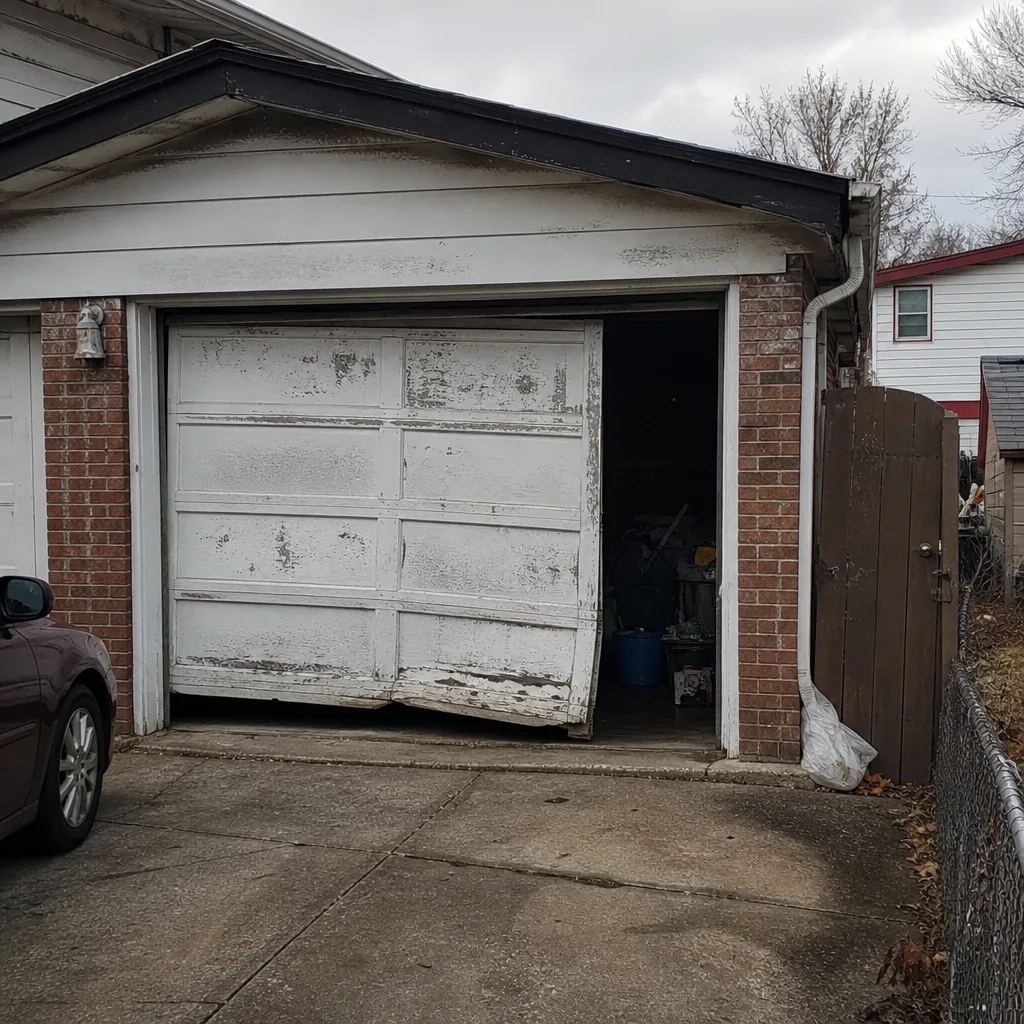
See the difference
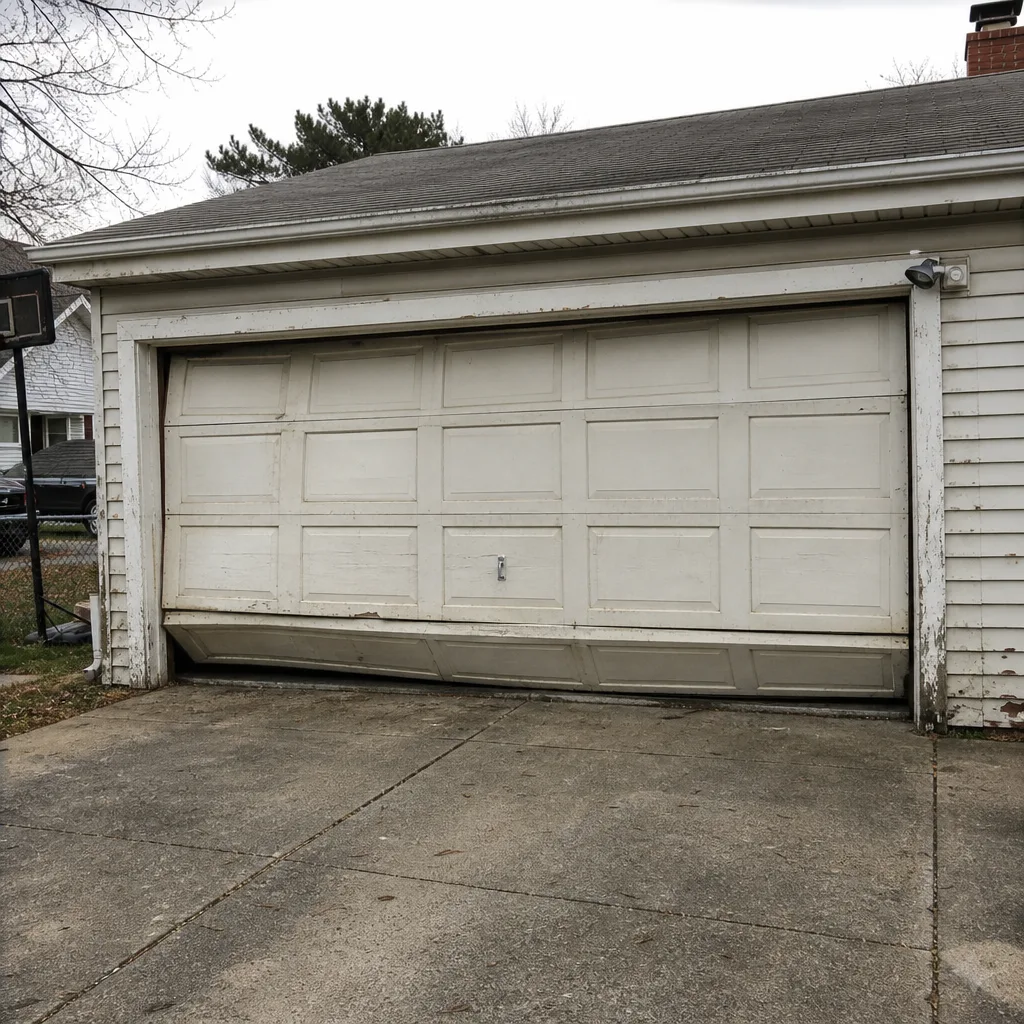 Before
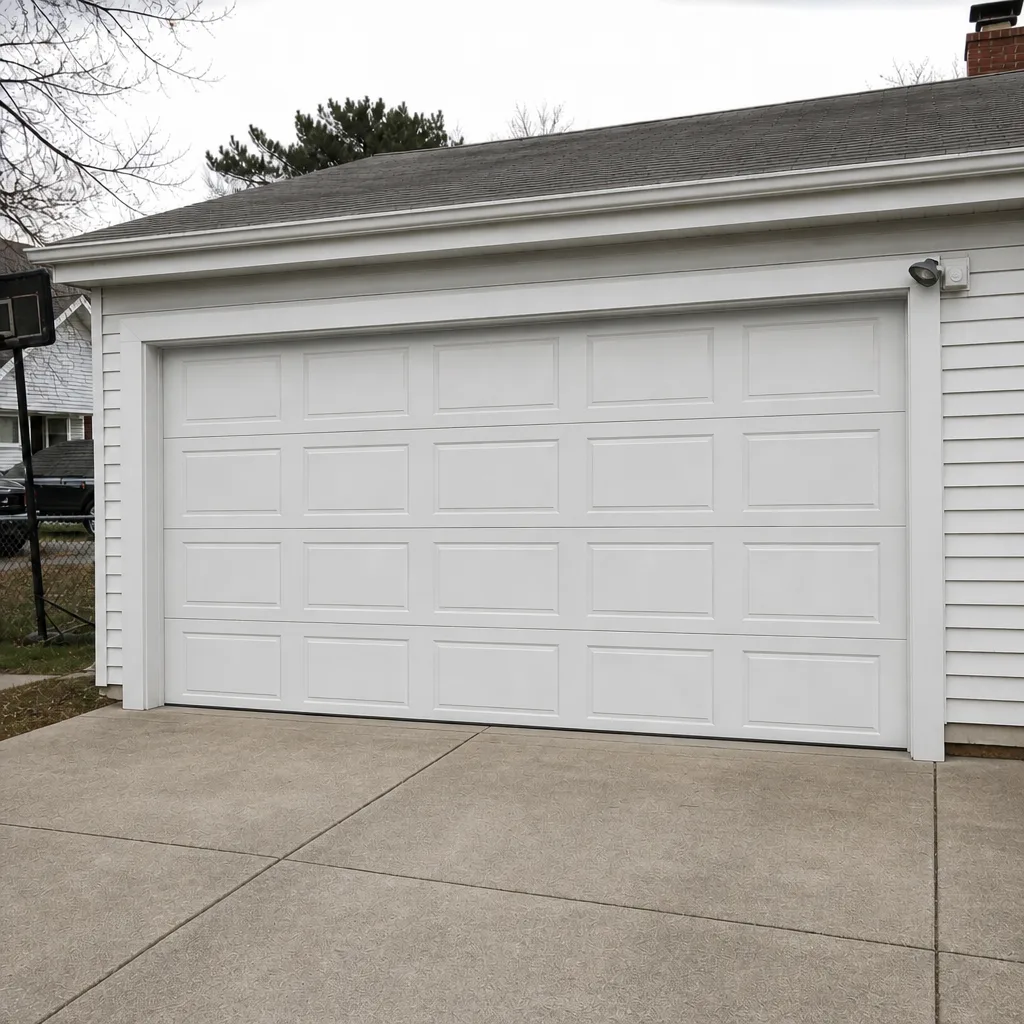 After
 Before
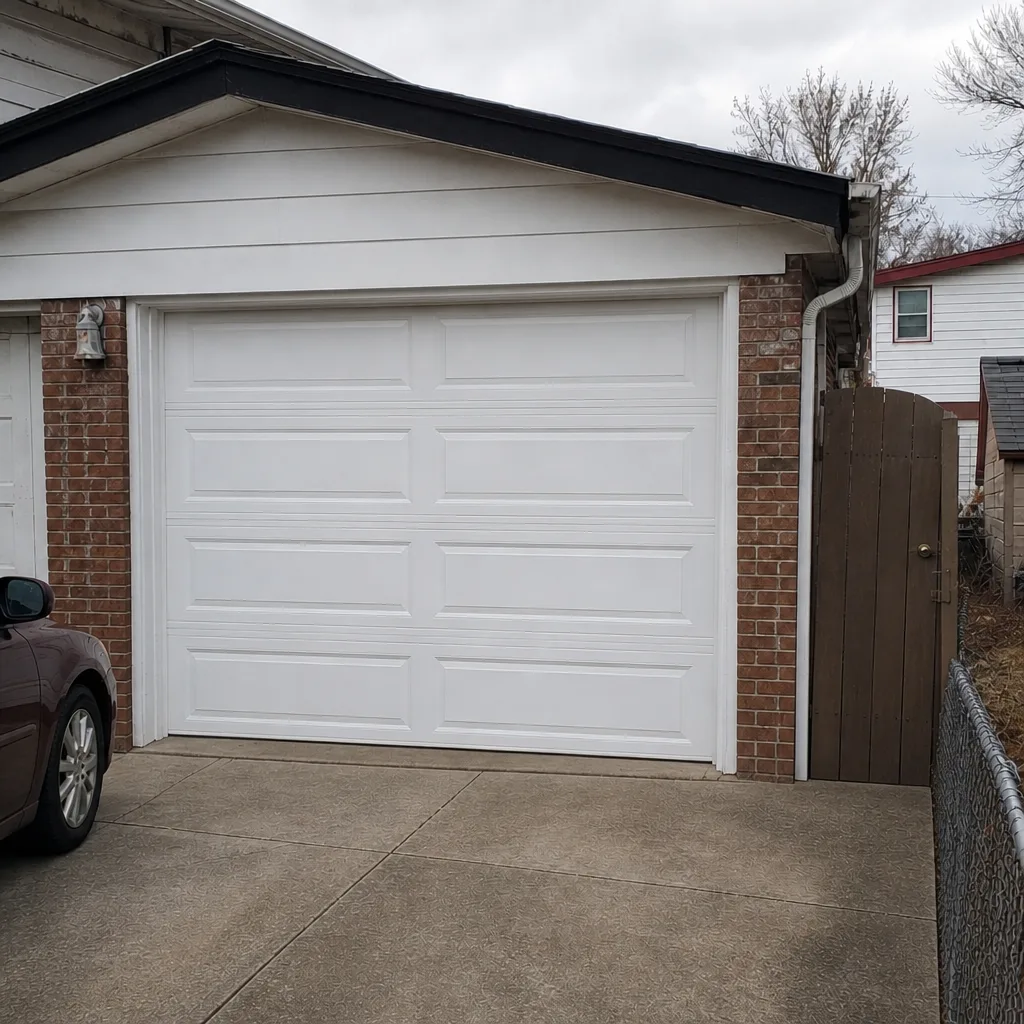 After
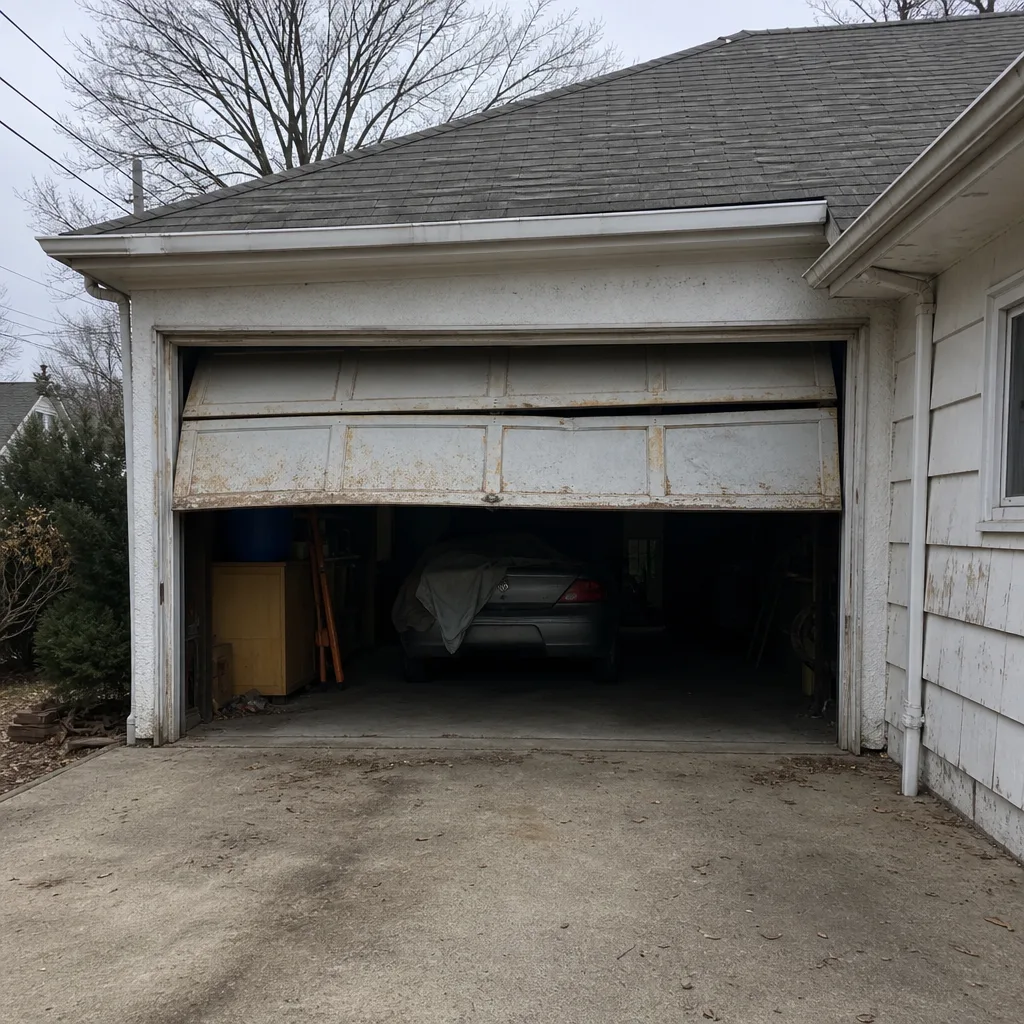 Before
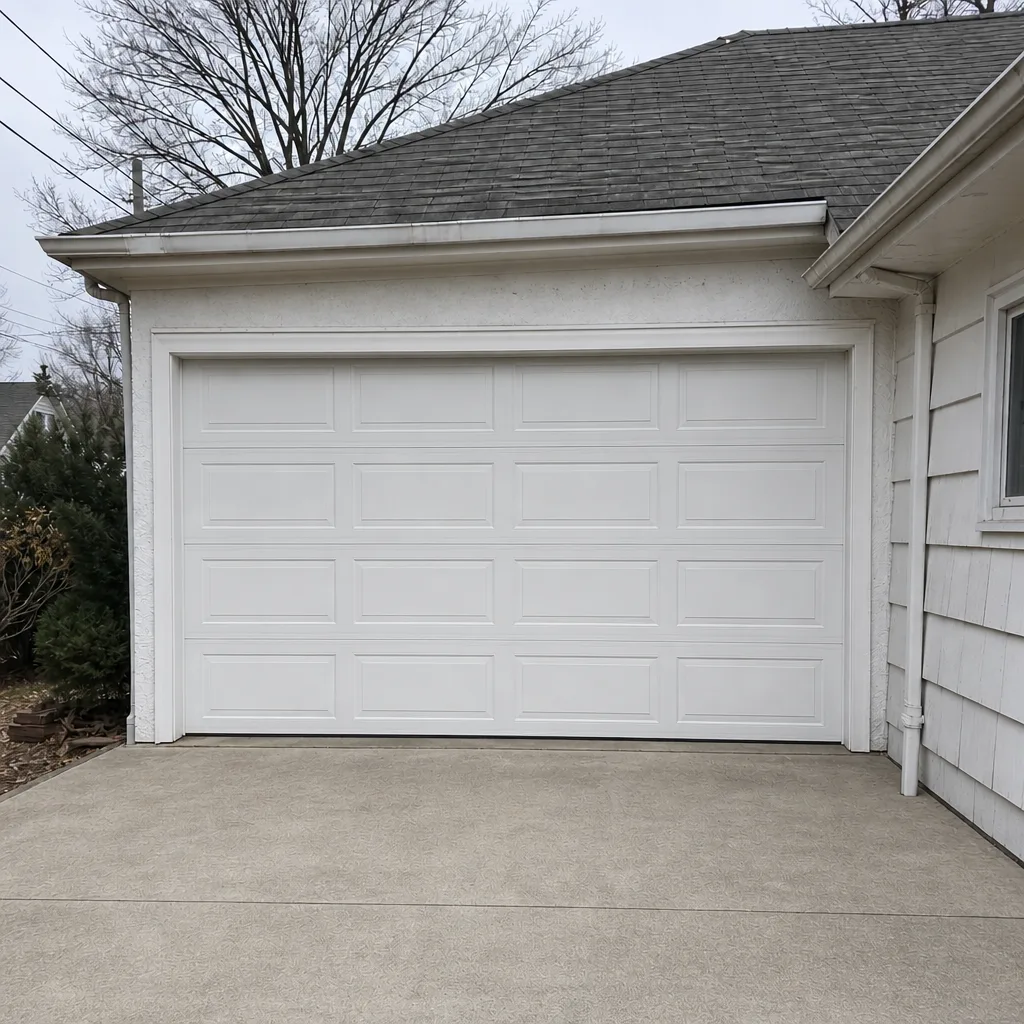 After
Brand-Specific Notes That Change the Seasonal Tune-Up
The seasonal mechanical stresses are the same across brands, but the details that should catch your eye vary. Knowing what’s specific to the door in your garage is what turns a generic inspection into a targeted one.
LiftMaster and Chamberlain openers (the same platform) are common in newer Corona homes. Their limit and force settings are forgiving, which means a slowing door often runs a bit longer before it fails outright. That’s a plus for the homeowner but a minus for diagnostics – the door feels good right up until it doesn’t. Inspecting the balance and rollers more carefully is how we catch it before the opener is the reason it stops.
Genie openers have their own quirks around the travel limit. If your Genie runs all the way up and then reverses a few inches, that’s often a force-setting issue we can adjust, not a door problem.
Clopay, Amarr, Wayne Dalton, and Craftsman doors vary in panel construction. Insulated steel panels handle heat expansion best. Wood and wood-composite panels show their seasonal cycles at the joints. If you have a Wayne Dalton door with a proprietary spring system, seasonal care still applies, but the balance check should be done by a technician familiar with that hardware, which is exactly the sort of visit we do for the door already in your garage.
We service all major garage door and opener brands, including LiftMaster, Chamberlain, Genie, Clopay, Amarr, Wayne Dalton, Craftsman, and Raynor. If you’re unsure what you have, a photo of the door and opener is usually enough for us to tell you what the seasonal priorities should be.
Common Mistakes to Avoid
- Lubricating the tracks. The tracks are supposed to be clean and dry; grease attracts grit and grinds the rollers down. Lubricate the rollers, hinges, and torsion shaft instead.
- Adjusting spring tension by hand. Torsion springs are under serious load. Broken or balanced wrong, they can cause injury. That one stays with a trained technician.
- Ignoring the balance check. If the door doesn’t hold halfway up, the springs have lost tension. Waiting until winter means the opener does the work the springs stopped doing, which is what causes premature opener failure.
- Forcing the opener when the door is stuck. A door that won’t close is a signal, not a challenge. Forcing it accelerates wear on the opener and the tracks, and if the problem is the door itself, it can cause real damage.
- Skipping the safety reverse test. It takes seconds and it’s the only check that prevents injuries. Test it monthly, not once a year.
- Waiting for the door to fail before replacing the bottom seal. A hardened bottom seal stops sealing and lets cold air and moisture into the garage, and in a row-home layout that’s a whole-system issue.
- Assuming “it just needs to be adjusted” when a roller or cable is already failing. A door that thunks or hesitates is usually past the adjustment stage and into the replacement stage, and treating it as an adjustment is what turns a small job into a large one.
When to Call a Professional
Call a technician if the door springs or cables break, if the door won’t balance halfway up, if the opener strains or reverses before the floor, or if a hinge, roller, or panel fails and won’t run smoothly. Call immediately if a spring has snapped or a cable is loose – those are injury-level situations and the door shouldn’t be cycled until they’re fixed.
A stuck door in the middle of a workday is a real security situation, not just an inconvenience. Emergency garage door service is one of our core offerings, not something we tack on – if the door is open and won’t close, or closed and won’t open, that’s the call. If the door is closed and safe but noisy or dragging, that’s a scheduled adjustment, not an emergency.
Corona Garage Door Repair Pros offers free estimates in Corona, and our technicians have up to 10 years of experience with the hardware. Call (855) 658-4170 to get a technician to the door.
Frequently Asked Questions
Once a year for a full check, plus the two-minute balance and safety check every month. The yearly service is best done in fall, before the cold snap that stresses springs and cables. If the door is older or has a heavier opener load, twice a year is reasonable, since Corona’s temperature swings mean the door is under real strain in both directions.
Torsion springs are more likely to break in the first cold weeks than at any other time. Cold air makes the steel more brittle and increases the tension load, and if the door wasn’t balanced before winter, the springs carry even more. A fall balance check reduces the chances of a winter break significantly.
Heat expansion moves metal tracks and can cause misalignment on one side of the door. That drags on the door and forces the opener to work harder. Complaints about the door running unevenly spike in July in Corona because the heat effect and the summer load on the opener hit at the same time.
No. Torsion springs hold enough stored energy to cause serious injury if they slip. A trained technician with the right tools should make every spring adjustment, and any spring showing splits or a gap in the coil should be replaced rather than adjusted.
The balance check, the bottom seal, and the lubrication are the three critical ones. Row-home garages tend to hold humidity longer and push moisture into hinges and the bottom seal, so those degrade faster than they do in a detached garage. Tighten hinge screws at the same time; a loose hinge after a humid summer is common.
Yes. We work on Clopay, Amarr, Wayne Dalton, Craftsman, LiftMaster, Chamberlain, Genie, and Raynor among other brands, and the seasonal tune-up recommendations are the same across them. If you have a brand-specific opener or a proprietary spring system, tell us when you call so the technician brings the right knowledge to the door.
The Bottom Line
Seasonal garage door care in Corona comes down to treating each shift as its own mechanical event. Fall is the prep window: balance check, lubrication, seal inspection, safety reverse test. Winter is the spring-and-cable season; a balance check before it starts is the best prevention. Spring is the roller-and-hinge season after winter freeze-thaw. Summer is the track-expansion season. The monthly two-minute check catches problems before they become repairs, and the yearly full inspection keeps the door on track. Corona Garage Door Repair Pros handles the whole system – springs, openers, panels, and installation – and we work on the brand already in your garage. Call (855) 658-4170 for a free estimate before the next season turns.
Written by the team at Corona Garage Door Repair Pros.